


Some error occured while loading the Quick View. Please close the Quick View and try reloading the page.
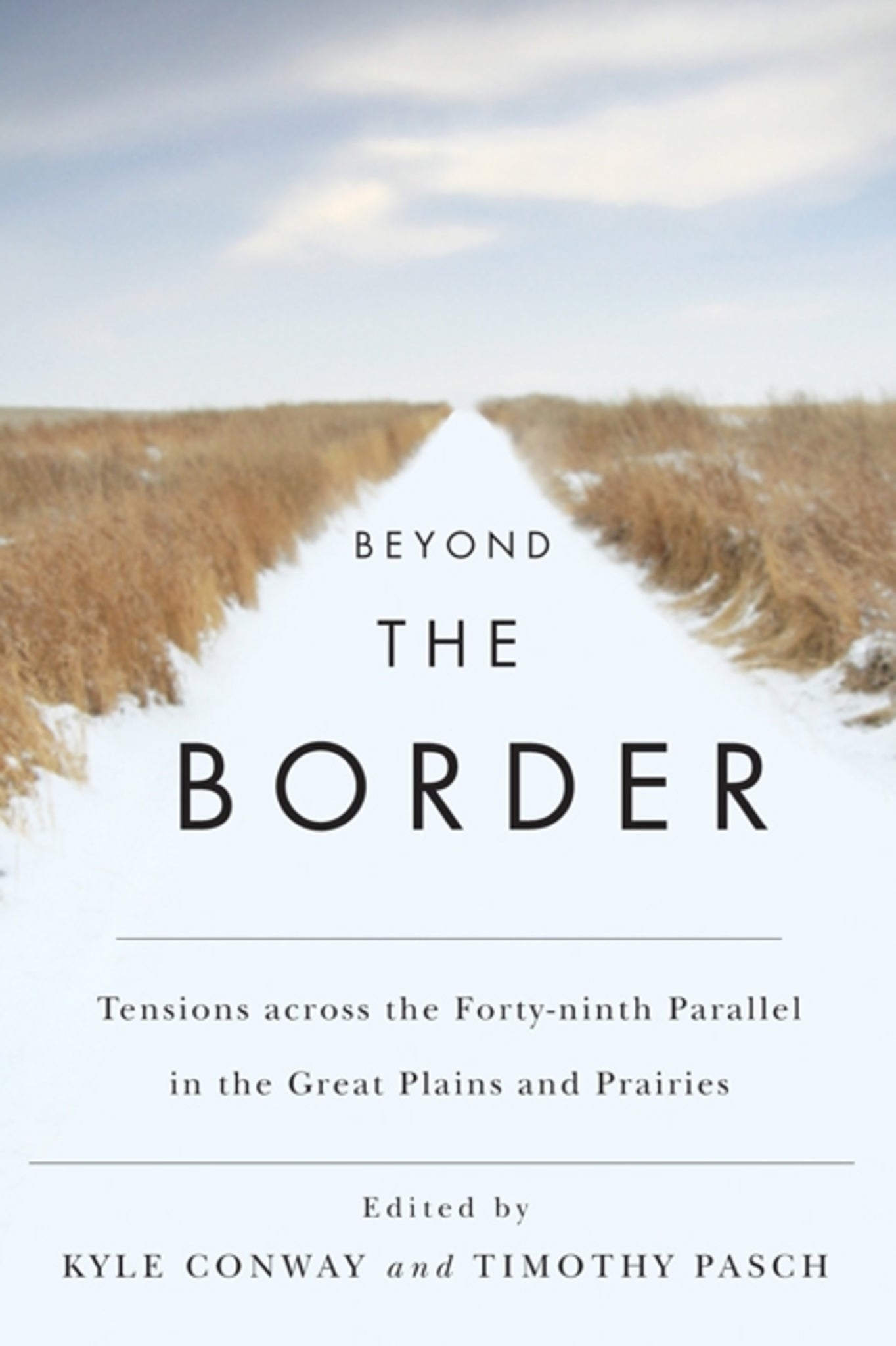
The idea that the American Great Plains and the Canadian Prairies are just "fly-over" country is a mistake. In the post-9/11 era, politicians and policy-makers are paying more attention to the region, especially where border enforcement is concerned. Beyond the Border provides interdisciplinary perspectives on the region's increasing importance.
Drawing inspiration from Habermas's observation that certain modern phenomena - from ecological degradation and organized crime to increased capital mobility - challenge a state's ability to retain sovereignty over a fixed geographical region, contributors to this book question the ontological status of the Canada-US border. They look at how entertainment media represents the border for their viewers, how Canada and the US enforce the line that separates the two countries, and how the border appears from the viewpoint of Native communities where it was imposed through their traditional lands. Under this scrutiny, the border ceases to appear as self-evident, its status more fragile than otherwise imagined.
At a time when the importance of border security is increasingly stressed and the Great Plains and Prairies are becoming more economically and politically prominent, Beyond the Border offers necessary context for understanding decisions by politicians and policy-makers along the forty-ninth parallel.
Contributors include Phil Bellfy (Michigan State University), Christopher Cwynar (University of Wisconsin), Brandon Dimmel (Western University), Zalfa Feghali (University of Nottingham), Joshua Miner (University of Iowa), Paul Moore (Ryerson University), Michelle Morris (University of Waterloo), Paul Sando (Minnesota State University Moorhead), and Serra Tinic (University of Alberta).


"The book's strength is its consideration of how native peoples and the media identify and interpret the border, two areas of inquiry that beg for more theoretical, conceptual, and methodological deliberation. Because its disciplinary reach is wide, it should appeal to a broad audience, including scholars interested in media studies and Canadian-American relations and academics who study the "place" of natives in North America." Randy Widdis, Department of Geography, University of Regina
Kyle Conway is professor of communication at the University of Ottawa and author of Everyone Says No: Public Service Broadcasting and the Failure of Translation.
Timothy Pasch (Author)
Timothy Pasch is assistant professor of communication at the University of North Dakota.