


Some error occured while loading the Quick View. Please close the Quick View and try reloading the page.
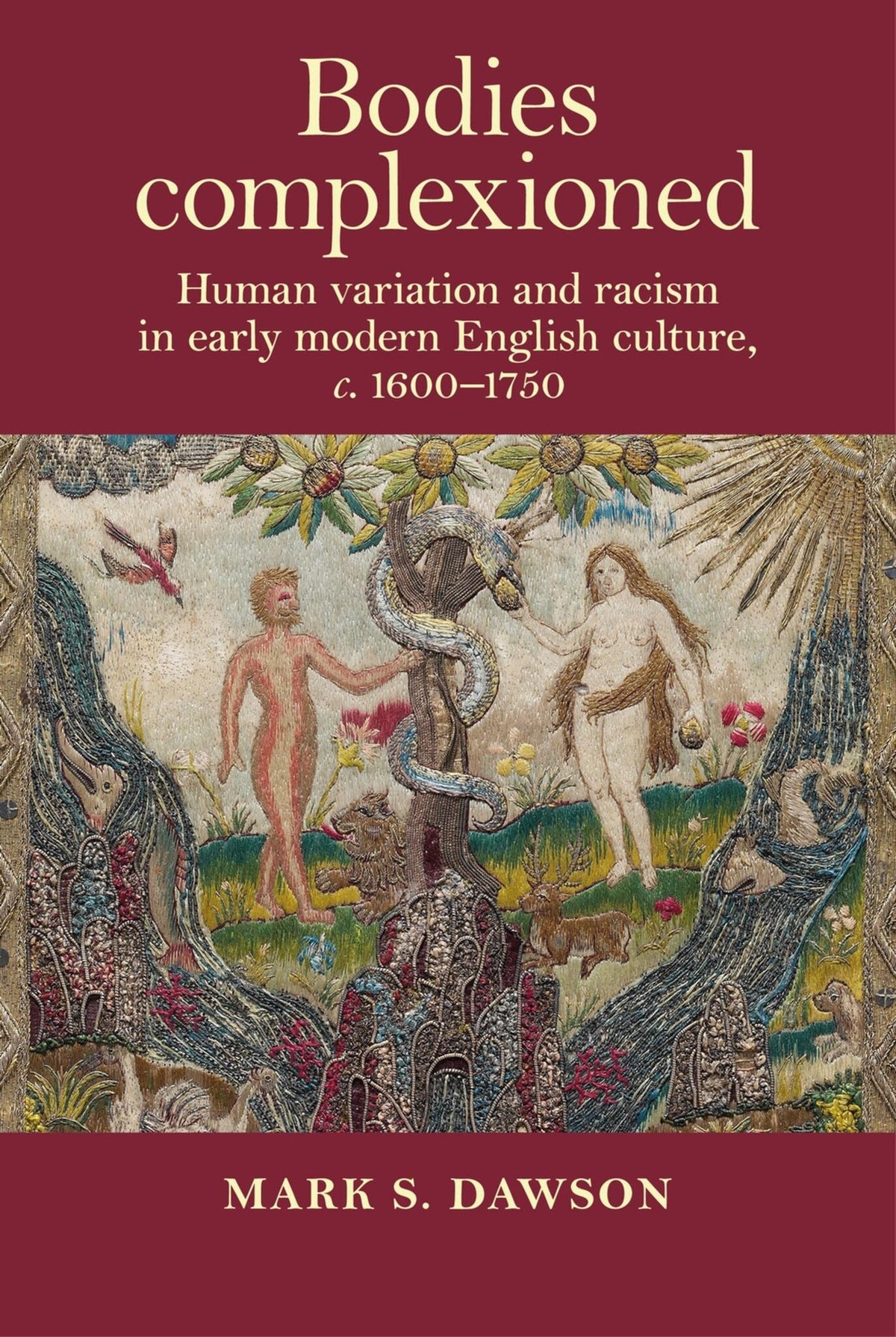
Bodily contrasts – from the colour of hair, eyes and skin to the shape of faces and skeletons – allowed the English of the seventeenth and early eighteenth centuries to discriminate systematically among themselves and against non-Anglophone groups. Making use of an array of sources, this book examines how early modern English people understood bodily difference. It demonstrates that individuals’ distinctive features were considered innate, even as discrete populations were believed to have characteristics in common, and challenges the idea that the humoral theory of bodily composition was incompatible with visceral inequality or racism. While ‘race’ had not assumed its modern valence, and ‘racial’ ideologies were still to come, such typecasting nonetheless had mundane, lasting consequences. Grounded in humoral physiology, and Christian universalism notwithstanding, bodily prejudices inflected social stratification, domestic politics, sectarian division and international relations.

Price: $36.95
Pages: 280
Publisher: Manchester University Press
Imprint: Manchester University Press
Publication Date:
July 12, 2022
ISBN: 9781526163905
Format: Paperback

'What did his blackness mean to early modern Englishmen? This is the kind of complex issue regarding chromatics (color) and ethnology that Mark Dawson examines in Bodies Complexioned.'
Journal of British Studies
Mark S. Dawson is Senior Lecturer in Early Modern History at the Australian National University, Canberra
Introduction
1 Contemplating Christian temperaments
2 Nativities established
3 Bodies emblazoned
4 Identifying the differently humoured
5 Distempered skin and the English abroad
6 National identities, foreign physiognomies, and the advent of whiteness
Conclusion
Index