


Some error occured while loading the Quick View. Please close the Quick View and try reloading the page.
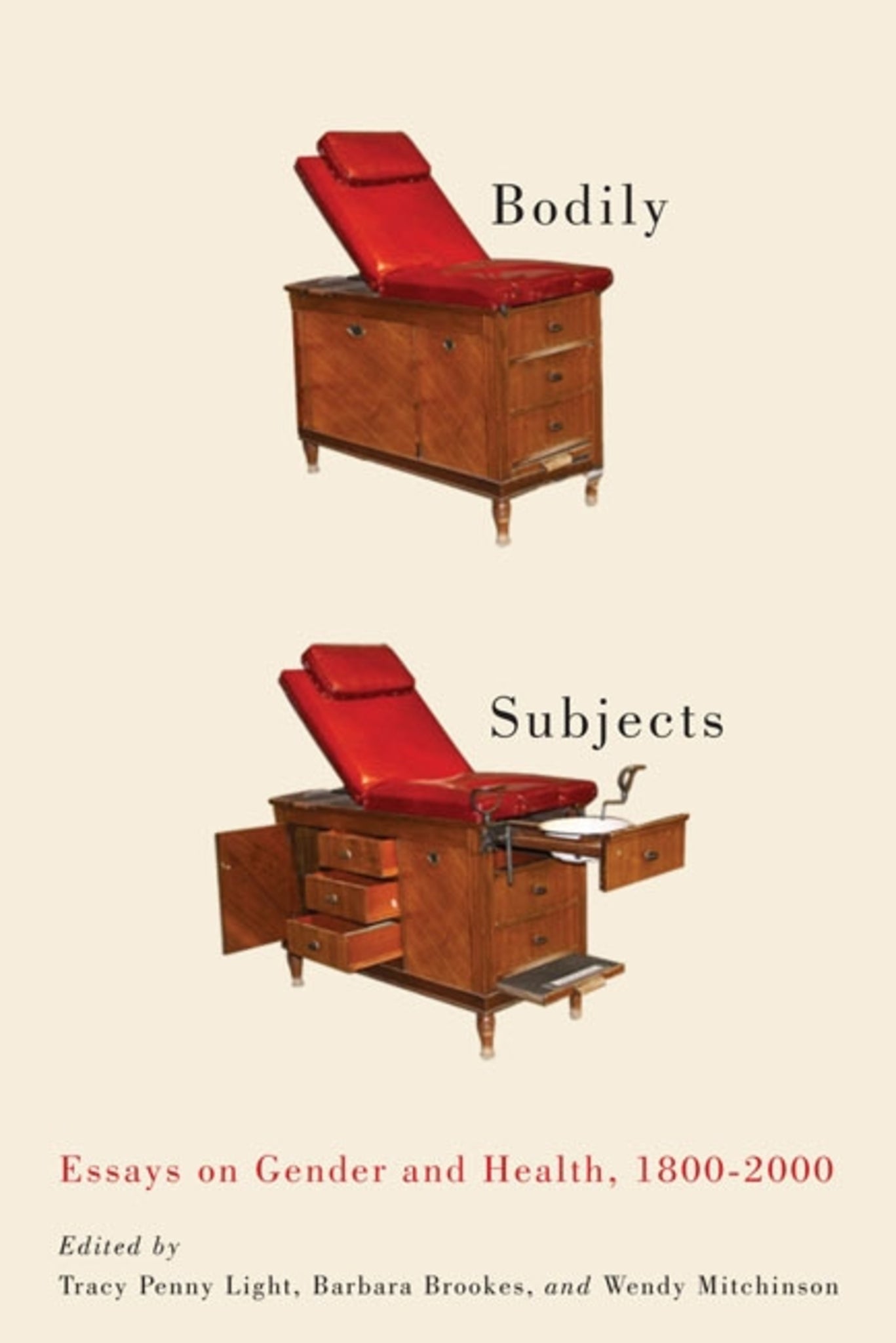
From the nineteenth-century British Poor Laws, to an early twentieth-century Aboriginal reserve in Queensland Australia, to AIDS activists on the streets of Toronto in the 1990s, Bodily Subjects explores the historical entanglement between gender and health to expose how ideas of health - a concept whose meanings we too often assume to understand - are embedded in assumptions about femininity and masculinity.
These essays expand the conversation on health and gender by examining their intersection in different geo-political contexts and times. Constantly measured through ideals and judged by those in authority, healthy development has been construed differently for teenage girls, adult men and women, postpartum mothers, and those seeking cosmetic surgery. Over time, meanings of health have expanded from an able body signifying health in the nineteenth century to concepts of "well-being," a psychological and moral interpretation, which has dominated health discourse in Western countries since the late twentieth century.
Through examinations of particular times and places, across two centuries and three continents, Bodily Subjects highlights the ways in which the body is both subjectively experienced and becomes a subject of inquiry.
Contributors include Barbara Brookes (University of Otago), Brigitte Fuchs (University of Vienna), Catherine Gidney (St Thomas University), Mona Gleason (University of British Columbia), Natalie Gravelle (York University), Rebecca Godderis (Wilfrid Laurier University), Antje Kampf (Humboldt University of Berlin), Marjorie Levine-Clark (University Colorado Denver), Wendy Mitchinson (University of Waterloo), Meg Parsons (University of Auckland), Tracy Penny Light (University of Waterloo), Patricia A. Reeve (Suffolk University), Anika Stafford (Simon Fraser University), and Thomas Wendelboe (University of Waterloo).


“This volume offers significant historical context for understanding developments in the medical profession and public health programs. Advanced students and scholars in sociology, anthropology, history, or gender studies may find this specialized book useful for its medical, institutional, or discursive perspectives. Historians interested in the time period and topics covered will find it valuable. Highly recommended.” Choice
“Bodily Subjects – ambitious and diverse in scope – contributes to histories of health and medicine, cultural studies, and gender studies, by making links explicit across these fields.” Erika Dyck, University of Saskatchewan
Tracy Penny Light is associate professor in the Departments of Sexuality, Marriage, and Family Studies, and History at St Jerome's University and the director of women’s studies at the University of Waterloo.
Barbara Brookes (Author)
Barbara Brookes is professor of history at the University of Otago.
Wendy Mitchinson (Author)
Wendy Mitchinson is professor emerita and an adjunct professor of history at the University of Waterloo.