


Some error occured while loading the Quick View. Please close the Quick View and try reloading the page.
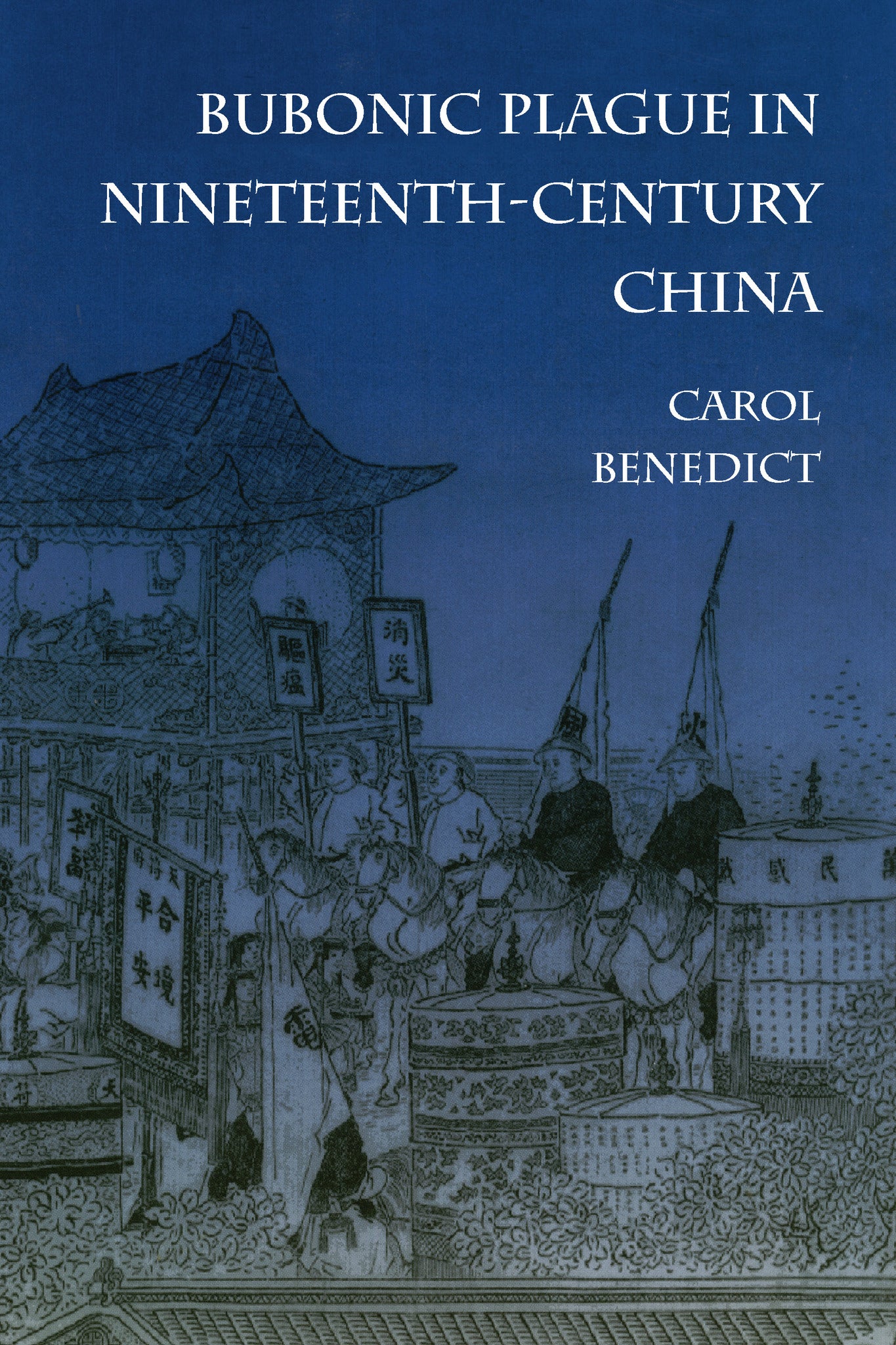
This book, the first work in English on the history of disease in China, traces an epidemic of bubonic plague that began in Yunnan province in the late eighteenth century, spread throughout much of southern China in the nineteenth century, and eventually exploded on the world scene as a global pandemic at the end of the century.
The author finds the origins of the pandemic in Qing economic expansion, which brought new populations into contact with plague-bearing animals along China’s southwestern frontier. She shows how the geographic diffusion of the disease closely followed the growth of interregional trading networks, particularly the domestic trade in opium, during the nineteenth century. A discussion of foreign interventions during plague outbreaks along China’s southern coast links the history of plague to the political impact of imperialism on China, and to the ways in which European cultural representations of the Chinese influenced the theory and practice of colonial medicine.


"Should interest a broad audience-- those interested in the history of medicine, modern world history, and late imperial and modern Chinese history. . . . But Benedict does not restrict her analysis to China. By applying a regional systems model . . . she contributes to the comparative history of disease." —Journal of Asian Studies