


Some error occured while loading the Quick View. Please close the Quick View and try reloading the page.
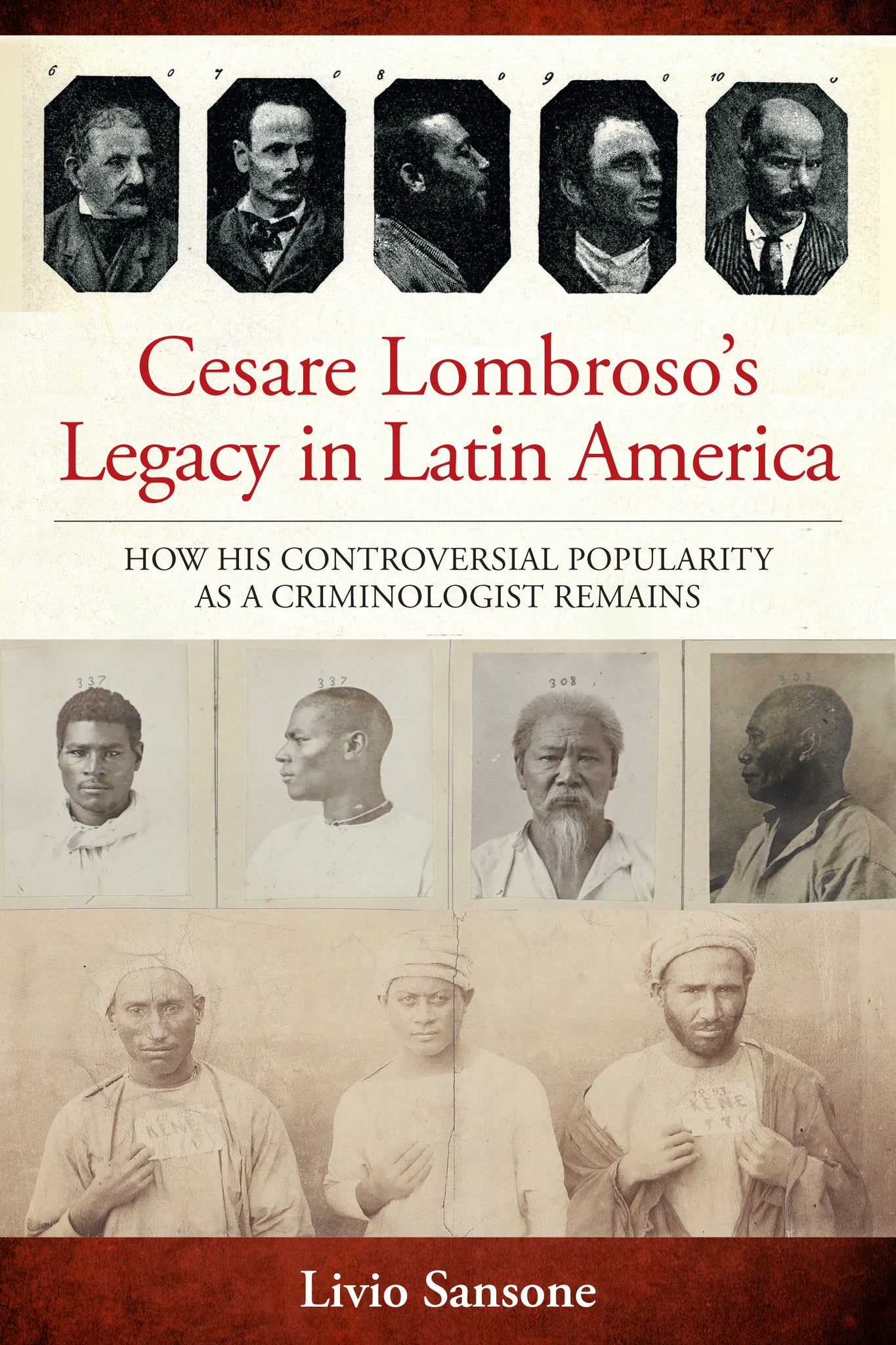
Cesare Lombroso is considered the founder of criminology with his theory of distinguishing criminals from noncriminal by physical oddities. This book argues that the study of ethnography in Latin America should give more attention to the Lombroso school and the academic exchange between relatively marginal national anthropologies, such as the Italian and Latin American schools. From racial ideas in Italy at the end of the nineteenth century to the voyages of Lombroso’s collaborators to South America and his legacy after his passing, Cesare Lombroso’s Legacy in Latin America is presented through an anthropologist’s eye through interpretation of many explored and unexplored historical documents.


Livio Sansone is Professor of Anthropology at the Federal University of Bahia (UFBA). He is the Head of the Factory of Ideas Program – an advanced international course in ethnic and African studies and coordinates the Digital Museum of African and Afro-Brazilian Heritage. His best-known books in English are Blackness Without Ethnicity: Creating Race in Brazil (Palgrave, 2003) and Field Station Bahia (Brill, 2023).
List of Illustrations
Preface
Acknowledgements
Introduction: In the Footsteps of Nina Rodrigues
Chapter 1. The Racial Question in the Late 1800s
Chapter 2. The Lombroso Galaxy as Global Home Science
Chapter 3. Encounters and Clashes in South America
Chapter 4. The Role of Brazil and Latin America in the Geopolitics of Knowledge: Race and Positivism
Conclusion: Final Reflections on the Circulation of Lombroso’s Ideas in Latin America
Appendix: From Italy to the World: The Journey of Lombroso’s Ideas
Bibliography
Index