


Some error occured while loading the Quick View. Please close the Quick View and try reloading the page.
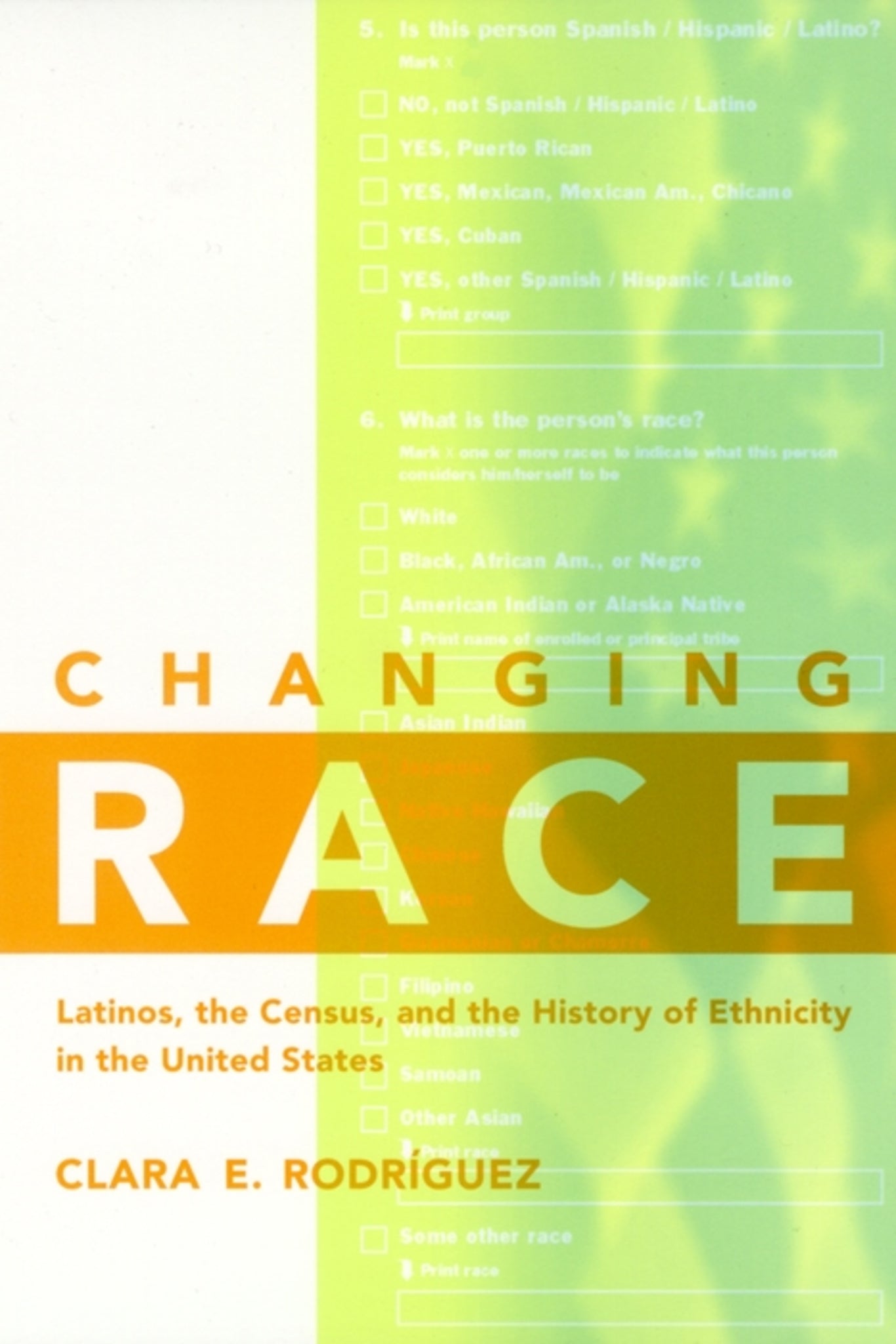
An introduction to the dynamic complexity of American ethnic life and Latino identity
Latinos are the fastest growing population group in the United States.Through their language and popular music Latinos are making their mark on American culture as never before. As the United States becomes Latinized, how will Latinos fit into America's divided racial landscape and how will they define their own racial and ethnic identity?
Through strikingly original historical analysis, extensive personal interviews and a careful examination of census data, Clara E. Rodriguez shows that Latino identity is surprisingly fluid, situation-dependent, and constantly changing. She illustrates how the way Latinos are defining themselves, and refusing to define themselves, represents a powerful challenge to America's system of racial classification and American racism.


"Rodriquez'a account is a solid introduction to the dynamic complexity of American ethnic life."
"Much of the current dialogue on race does not sufficiently interrogate its meaning. In marked contrast, Clara E. Rodriguez offers a stunning example of racial formation by illustrating how Latino identities are formed and transformed in dynamic engagement with state definitions. She reveals the gap between state imposed categories and group self-definition; the dramatic distinctions between U.S. and Latin American concepts of race; and the political claims advanced through the Census. Best of all, she provides a rich sense of how individuals constantly negotiate the prevailing terrain of racial meanings."
— Michael Omi,University of California, Berkeley
"A timely addition. . . the author offers a competent, nontechnical overview of the issues concerning how our largest minority fits into this nation's bipolar black-white racial paradigm. . . . Rodriguez examines how Lationos may be changing that long-dominant paradigm."