


Some error occured while loading the Quick View. Please close the Quick View and try reloading the page.
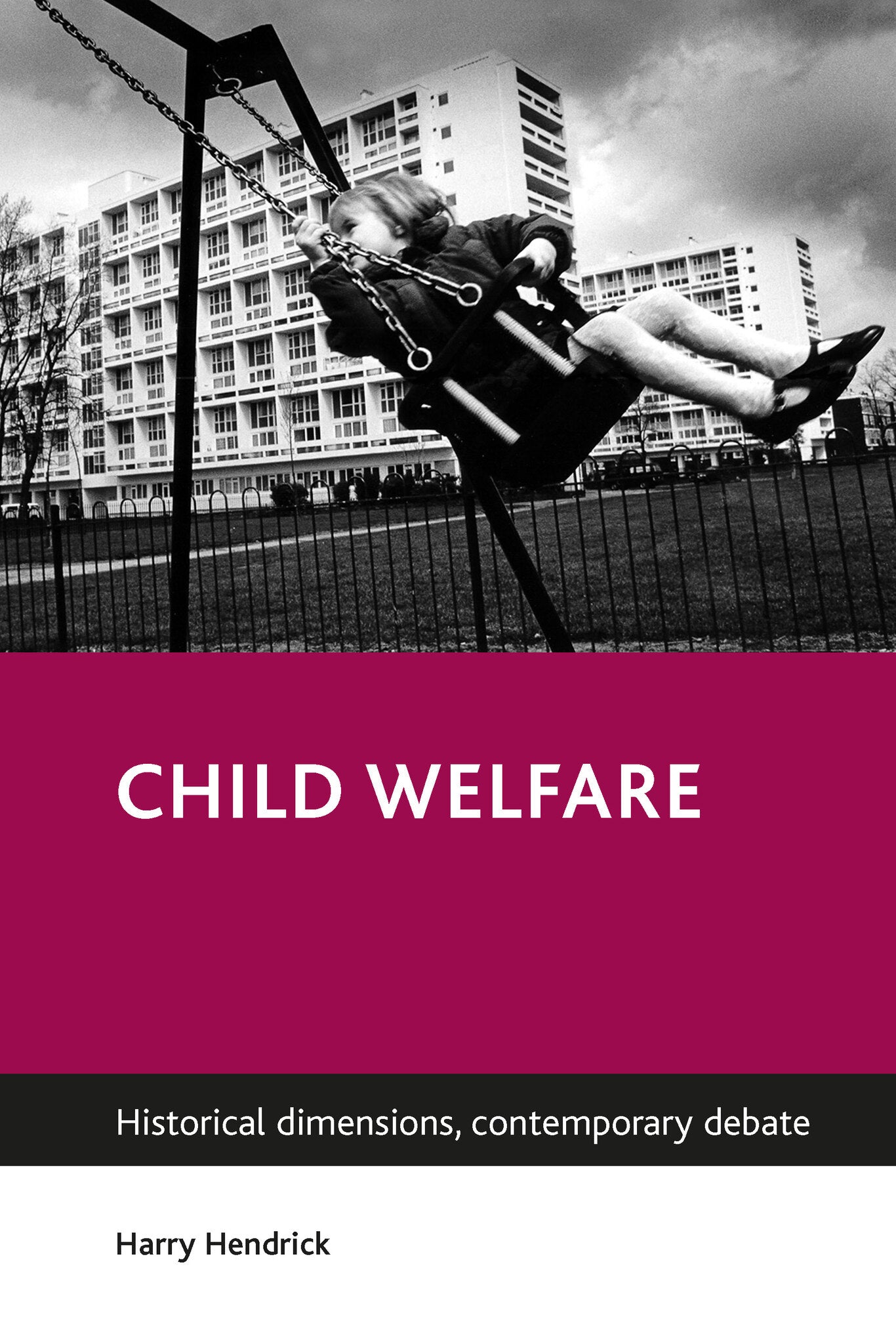
Children and child welfare sit at the heart of New Labour's plans for social inclusion - but how does the government view 'children' - is it reflecting public opinion, or leading it? How does New Labour perceive 'child welfare'? What are the motivations behind, and objectives of, current social policy for children? Are the 'Rights of the Child' being subsumed under 'duties and responsibilities'? This revisionist account provides critical answers to these questions within a historical framework and from a child-centred perspective.
The book not only offers a provocative account of contemporary policies and the ideological thrust behind them, but also provides an informed historical perspective on the evolution of child welfare during the last century.


"... an invaluable addition to the contemporary child welfare literature." Social Development Issues
MISSING TEXT... materials, which will be of great interest to scholars in a range of disciplines and which seems certain to become a staple on student reading-lists for years to come." THES
"... this text is indispensable for all those with an interest in the history of child welfare - it is already the key text for my 'Understanding Child Welfare' undergraduate module, and would serve just as well at postgraduate level." Nick Frost, Institute of Lifelong Learning, University of Leeds
"New social work courses are being initiated. Hendrick's book should be high on their reading list." Journal of Social Policy
"... a fascinating account of what adults in England have thought about and done to children in pursuit of their own social, economic and political ends." Community Alternatives
"... recommended without reservation not only to undergraduate and graduate students of social work but also to their professors, who will appreciate its scope and depth, take delight in its insights, and may, in some cases, enjoy summoning the artillery to refute its arguments." Community Alternatives
"... an engrossing book in which one is constantly forced to reflect on connections between historical developments and current shifts in children's services." SPA News
"... an invaluable resource for both teachers and students on a range of health and welfare courses." Social History of Medicine
"Child Welfare is an accessible, informative and thought-provoking text, and should be read by all with an interest in contemporary policy, its historical context, and the challenges presented by such a writer." British Journal of Social Work
"... stimulating and challenging... this volume should be read by everybody who is, or intends to be, professionally involved with children." Children & Society
"Hendrick has provided us with a book to be appreciated and savoured, one offering students and the general reader a shrewd and intelligent overview of child welfare policy. Here is a standard text, one unlikely to be bettered for a long time." Youth & Policy
"... a useful and informative text for policy makers, academics, social workers and those concerned with children's rights." ChildRight