


Some error occured while loading the Quick View. Please close the Quick View and try reloading the page.
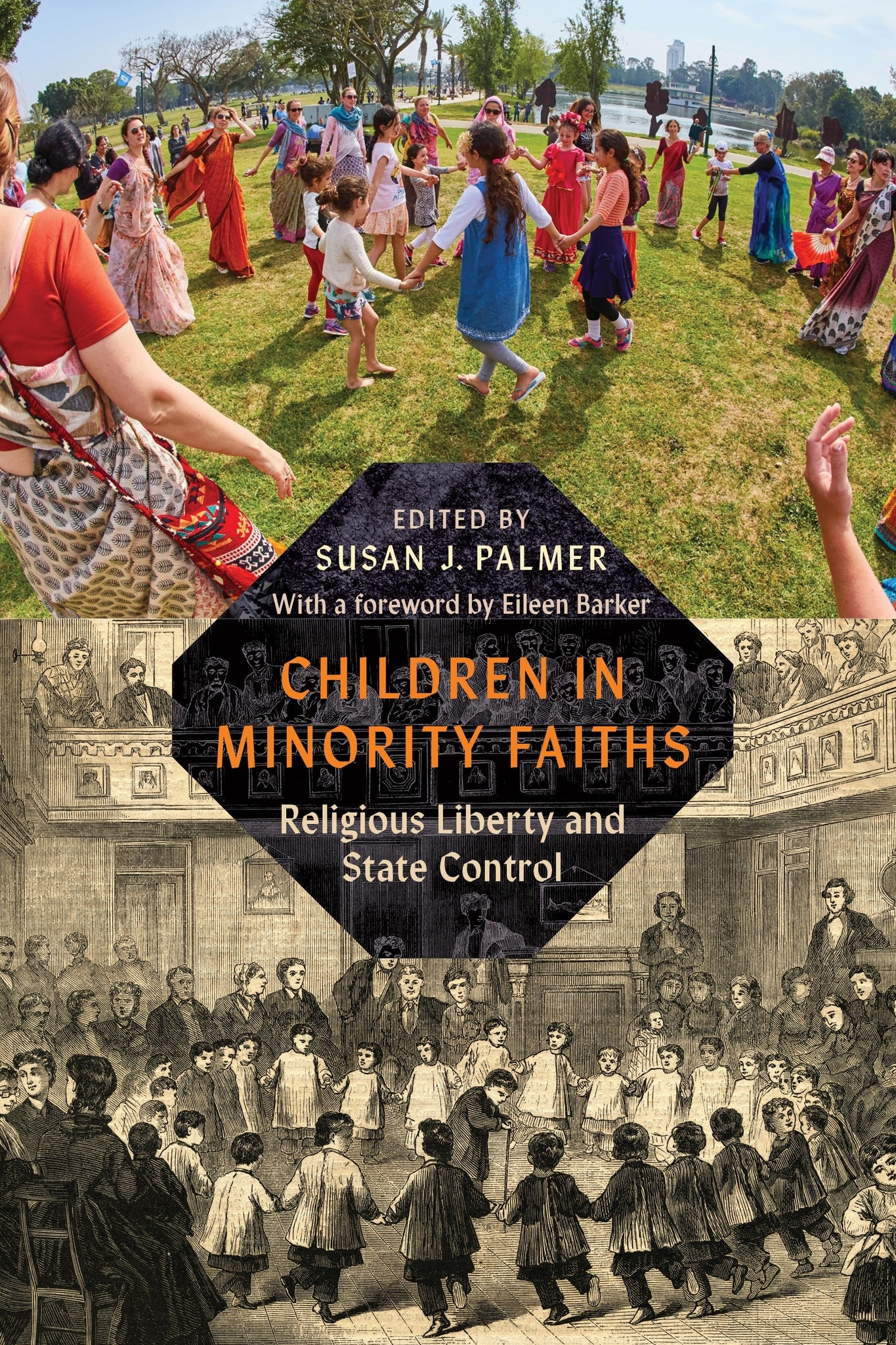
Addresses how to balance freedom of religion and parental rights with the wellbeing of the child
That belief that children are likely to be harmed when they are raised in new or minority religions has led to dramatic and sometimes tragic events, such as the 2008 government raid on the Fundamentalist Latter Day Saints in Texas, which resulted in the removal of over 400 children from the community, although doctors and psychologists found no evidence of abuse, and the courts eventually demanded the return of all 400 children to their families.
Children in Minority Faiths showcases original field research and vivid ethnographies of alternative childhoods. It adopts a sociological approach to analyze state responses to alleged abuse and problematic aspects of childrearing in marginal religions. Offering thirteen case studies of alternative childhoods and spiritually-based childrearing patterns in minority religions, the volume argues that these groups’ minority status has often led to mounting tensions and investigations over alleged child abuse by police and social workers. On one hand, the volume challenges the assumptions that children growing up in sectarian religions are routinely abused or at risk. Yet it also examines cases where children did come to harm, assessing the ideological and structural factors that have fostered child abuse in specific groups.
Children in Minority Faiths examines the delicate balance between the rights of religious parents and their children. Ultimately, the volume considers what appropriate state intervention looks like, and how the state might prevent crimes against children that happen within the setting of new and marginalized religious movements in the future, while at the same time pushing back against anti-cult narratives that claim that new religions are dangerous environments in which to raise children.


— Massimo Introvigne, Managing Director, Center for Studies on New Religions
As new religious movements become older, second and third generations of members arrive, raising new questions about child rearing, parental responsibilities, and at times interventions by law enforcement agencies. Susan Palmer has done a great service in bringing together an impressive array of international scholars, who focus on a variety of non-traditional religious communities worldwide. Without endorsing the ways in which children in new religions have been treated, the authors have produced a timely corrective to the scaremongering which the media have often encouraged.
— George D. Chryssides, author of Exploring New Religions and Jehovah's Witnesses: Continuity and Change