


Some error occured while loading the Quick View. Please close the Quick View and try reloading the page.
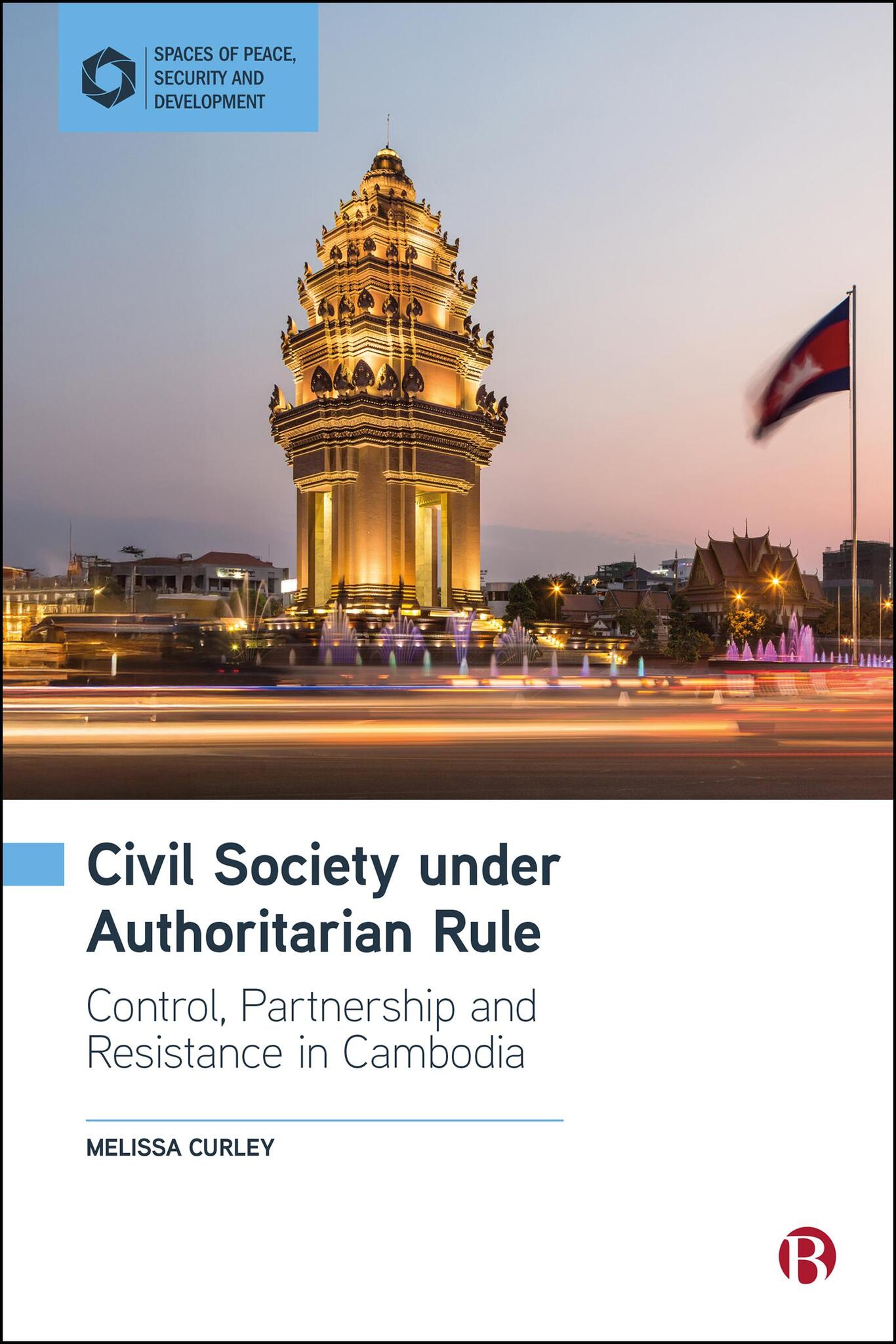
How does an authoritarian regime simultaneously suppress dissent whilst leveraging civil society for its own ends? This study examines Cambodia's transformation from the 1990s to today, revealing the state's strategy of 'flexible coerciveness'—a dual approach of restricting political space while co-opting civil society organizations for governance gains.
Through rigorous analysis of state-civil society dynamics, this timely work exposes how Cambodia's government has undermined democratic institutions while maintaining strategic partnerships with NGOs and international donors. Essential reading for scholars of authoritarianism, Southeast Asian politics and development studies, the book offers fresh insights beyond traditional democratization theories for our increasingly complex global political landscape.


Part 1: Situating Authoritarian Governance
1. Introduction
2. Conceptual Framework
Part 2: Governing to Control
3. Controlling Individualized Dissent
4. Controlling Collective Dissent
5. Structuring Participation
Part 3: Governing to Harness
6. Modes of Societal Incorporation
7. Filling the Void of State Capacity
Part 4: Evolving Authoritarianism and Civil Society Strategies
8. Developing ‘Flexible Coerciveness’ in State-society Relations
9. Conclusion