


Some error occured while loading the Quick View. Please close the Quick View and try reloading the page.
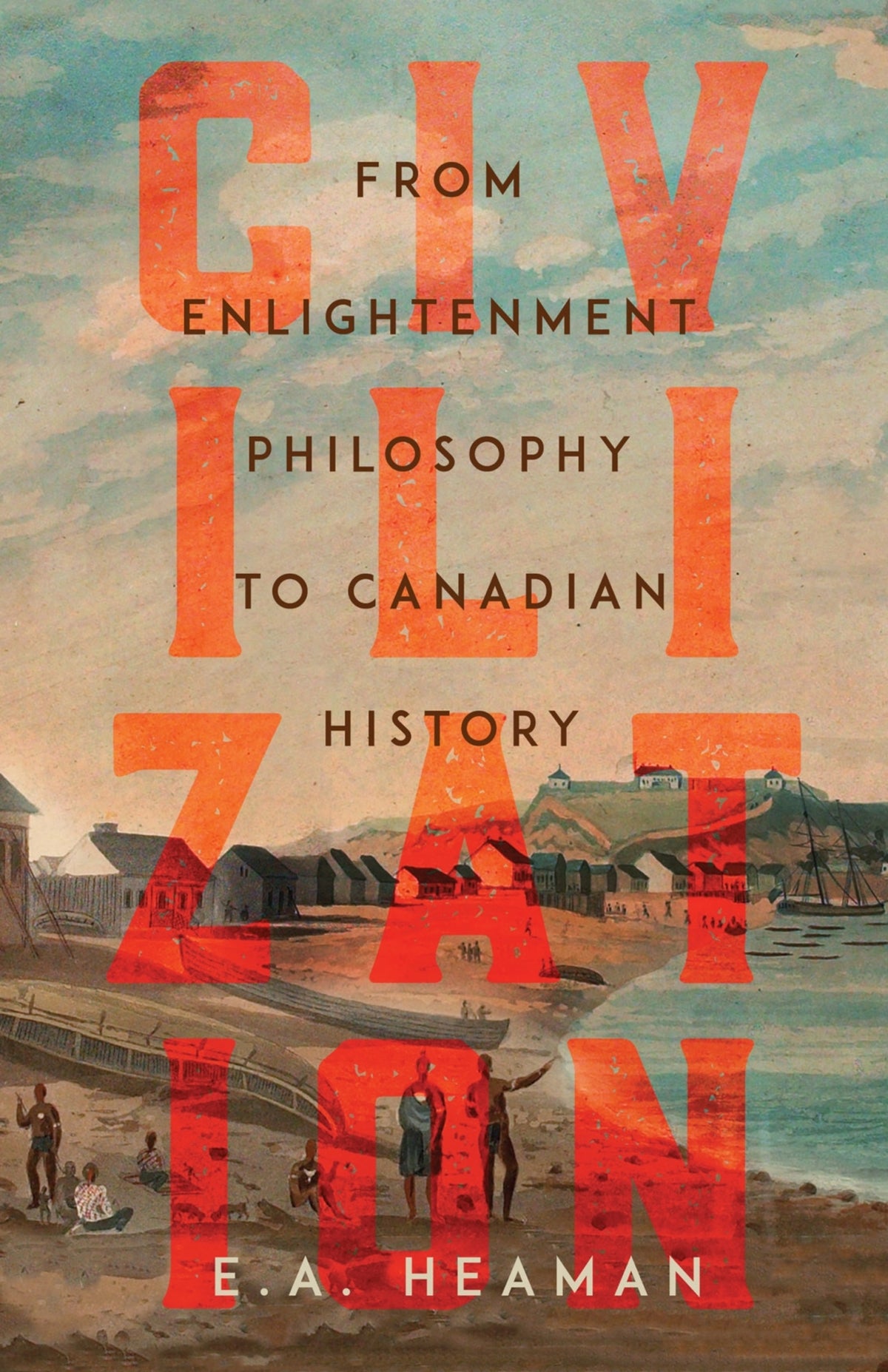
Colonial Canada changed enormously between the 1760s and the 1860s, the Conquest and Confederation, but the idea of civilization seen to guide those transformations changed still more. A cosmopolitan and optimistic theory of history was written into the founding Canadian constitution as a check on state violence, only to be reversed and undone over the next century. Civilization was hegemony, a contradictory theory of unrestrained power and restraints on that power. Occupying a middle ground between British and American hegemonies, all the different peoples living in Canada felt those contradictions very sharply. Both Britain and America came to despair of bending Canada violently to their will, and new forms of hegemony, a greater reckoning with soft power, emerged in the wake of those failures.
E.A. Heaman shows that the view from colonial Canada matters for intellectual and political history. Canada posed serious challenges to the Scottish Enlightenment, the Pax Britannica, American manifest destiny, and the emerging model of the nation-state. David Hume’s theory of history shaped the Canadian imaginary in constitutional documents, much-thumbed histories, and a certain liberal-conservative political and financial orientation. But as settlers flooded across the continent, cosmopolitanism became chauvinism, and the idea of civilization was put to accomplishing plunder and predation on a transcontinental scale. Case studies show crucial moments of conceptual reversal, some broadly representative and some unique to Canada. Dissecting the Seven Years’ War, domestic relations, the fiscal military state, liberal reform, social statistics, democracy, constitutionalism, and scholarly history, Heaman shows how key British and Canadian public figures grappled with the growing gap between theory and practice.
By historicizing the concept of civilization, this book connects Enlightenment ideals and anti-colonialism, shown in contest with colonialism in Canada before Confederation.


"Civilization bridges philosophy and Canadian history by blending insights from a major school of moral philosophy with certain founding practices, biases, and debates in nineteenth-century Canada. The result is extremely original and thought-provoking. The writing is rich: a pleasure to read and written in an individual style with a humanist’s regard for language and breadth of disciplines. I am convinced this book will have a lasting impact on Canadian scholarship about national values past and future." John Weaver, McMaster University
«Civilization est un ouvrage remarquablement savant, rigoureux et original qui arrive à point nommé au vu des divisions politiques qui affectent le Canada en ce moment. Heaman maîtrise plusieurs historiographies — celles du Canada, du Québec, de la politique britannique et américaine, en passant par la politique autochtone et l’économie politique — tout en ayant une vision claire des écrits de Hume et d’autres philosophes marquants. Elle déploie son érudition de manière tout à fait convaincante, et je ne peux que souhaiter que cet ouvrage trouve un large lectorat, chez les historiens, les politologues et les philosophes.» Brian Gettler, Revue d'histoire de l'Amérique française