


Some error occured while loading the Quick View. Please close the Quick View and try reloading the page.
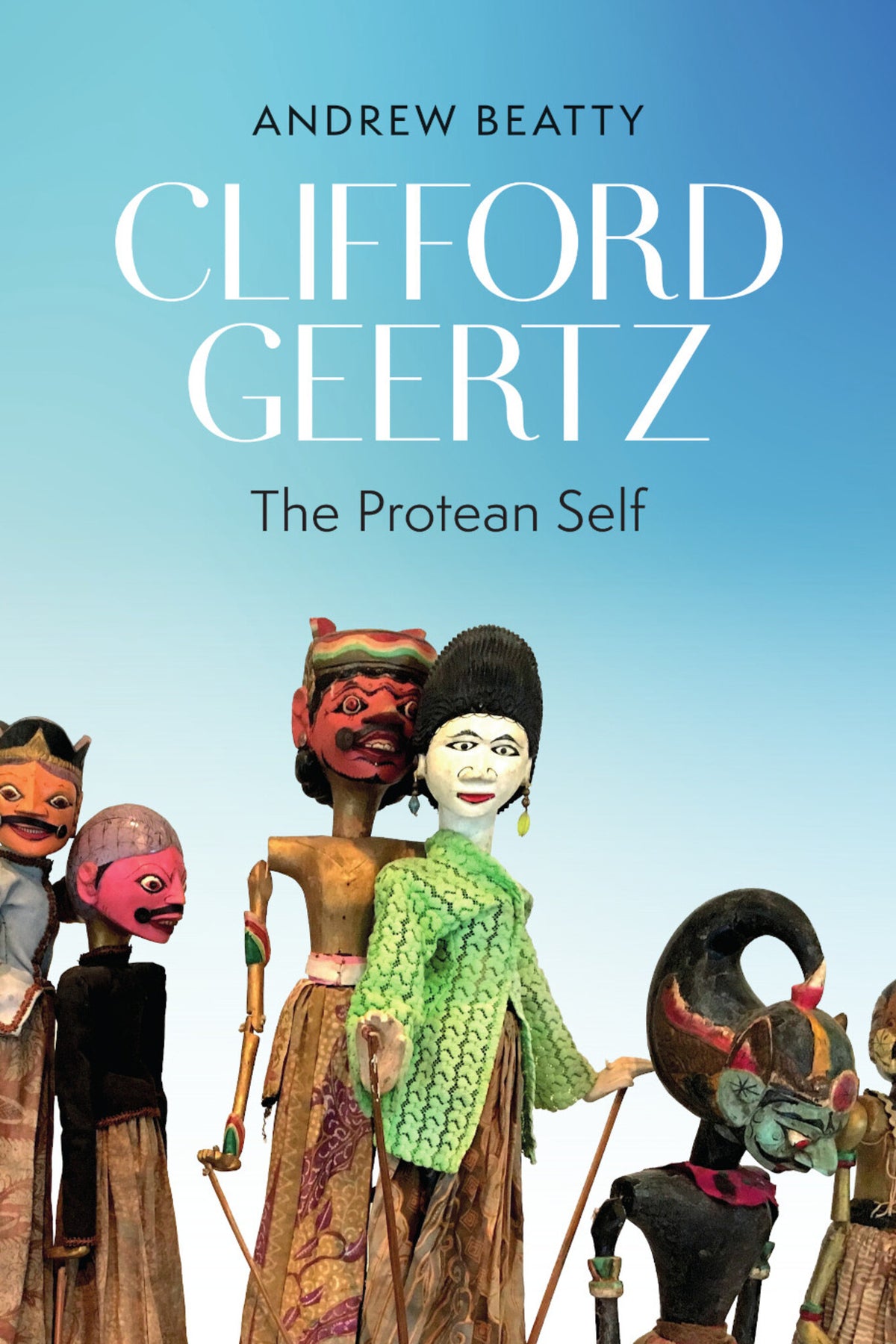
In a series of dazzling essays and immersive ethnographies, Clifford Geertz wrought a gentle revolution in fieldwork and anthropological writing. Drawing on sociology, philosophy, and literary criticism, he fashioned a unique and compelling approach: humanistic, liberal, richly detailed, and aesthetically alive, repositioning anthropology as a key discipline in the contemporary world. Tracing his development across half a century, and assessing his controversial legacy today, this book captures what made Geertz seminal to thinkers as different as Keith Thomas, Jerome Bruner, and Stephen Greenblatt. Through close readings, it shows why he remains both a stimulus for anthropology and a vital resource for contemporary thought.


This is a superb and authoritative study of Geertz’s writings, his fieldwork and his contributions to anthropology and allied disciplines. It provides a fresh take on anthropology's premier writer and leading theorist of culture, presenting Geertz in a new light as essayist and imaginer of possible worlds. Readers will learn much about anthropology, fieldwork, and the art of ethnography.A pleasure to read, the writing is clear, stylish, and often witty. Geertz has been well served.
Eric Hirsch, Brunel University
Andrew Beatty has carried out five years' fieldwork in Indonesia. His recent books include Emotional Worlds: Beyond an Anthropology of Emotion (Cambridge University Press & Assessment, 2019) and two narrative ethnographies, A Shadow Falls: In the Heart of Java (Faber & Faber, 2009) and After the Ancestors: An Anthropologist's Story (Cambridge University Press & Assessment, 2015). For many years, he taught at Brunel University London.
Contents
List of Figures
Acknowledgements
Chronology
Introduction
Chapter 1. An Anthropologist in His Time
Chapter 2. The Uses of Ethnography
Chapter 3. Anthropology and History
Chapter 4. The Past in the Present
Chapter 5. Thick Description
Chapter 6. Essayism
Chapter 7. Exemplars
Chapter 8. The Comparative Vantage: Morocco
Chapter 9. Islam Compared
Chapter 10. Foils and Forerunners
Chapter 11. Diversity and Relativism
Conclusion. A Life in Writing
References
Index