


Some error occured while loading the Quick View. Please close the Quick View and try reloading the page.
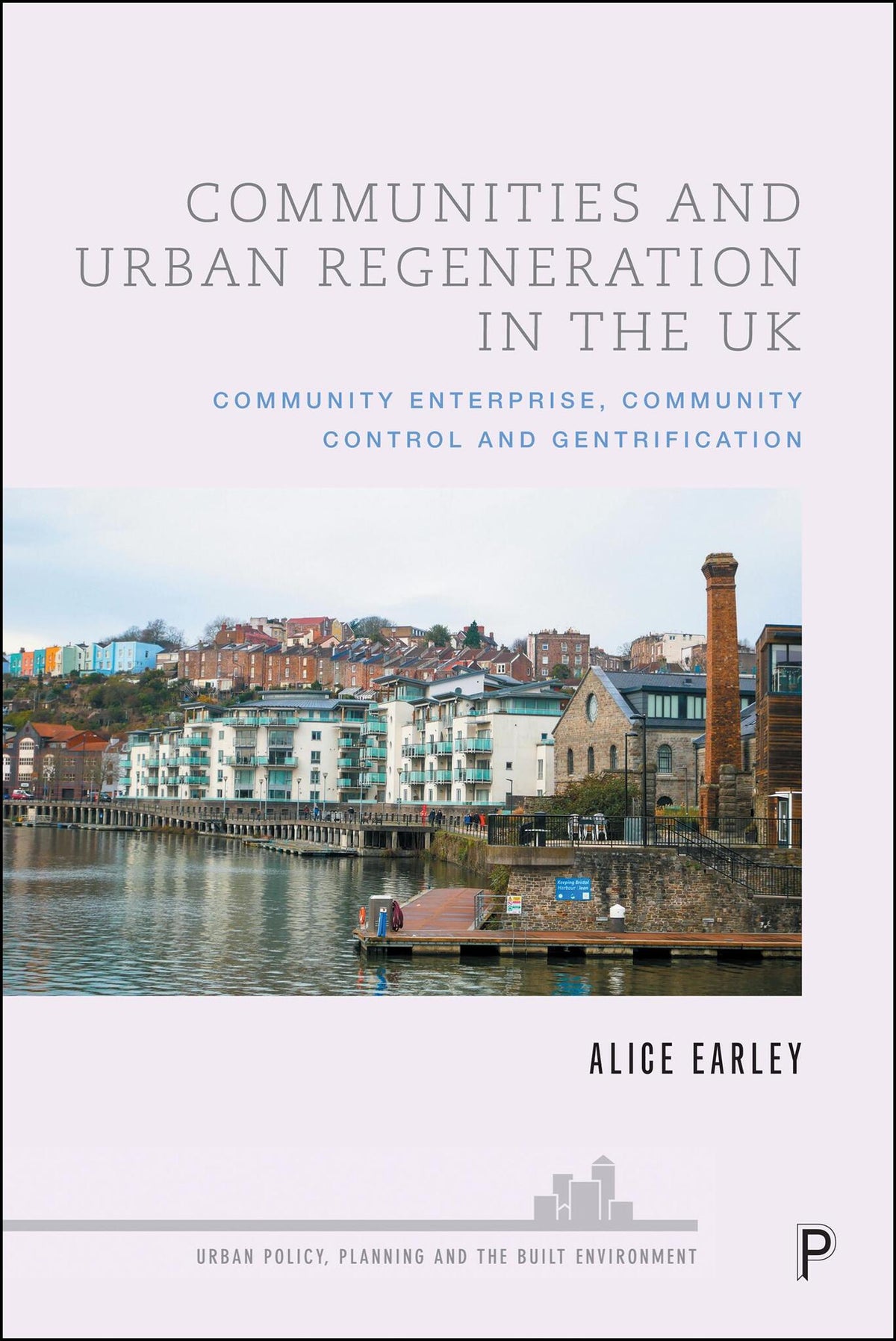
Community control can be a powerful means of limiting the injustices of gentrification and allowing more socially just regeneration to take place. The book is about how we can make and retain places and community assets for people, rather than for capital, and the real-world policy interventions needed to achieve this.
Setting out the successes and failures of community-led regeneration, the book offers case studies from Bristol and Glasgow – two cities which are home to social inequalities but also a strong tradition of community activism – as well as narratives from community enterprises across England and Scotland. Alice Earley makes the case for more funding and support for community enterprises so that they can realise their potential contribution to regeneration.


"This rich empirical study of community-owned assets as a ‘buffer’ against gentrification argues for combining community-led initiatives with strong public policies, towards equitable regeneration." Claire Colomb, University of Cambridge
"A thorough, much-needed exploration into the potential of contemporary regeneration to improve places while avoiding or minimising gentrification. Highly recommended.” Derek Rankine, Built Environment Forum Scotland
1. Introduction
2. Community Enterprise, Community Assets and Regeneration: Policy Trajectories in the UK in the Post-War Period
3. Contesting Gentrification Research Orthodoxies: Local Limits, Alternatives and the Role of Community Control
4. The View from Above: Policy and Intermediary Organisation Perspectives
5. Community Enterprise, Community Assets, Regeneration and Gentrification over Time in Two Urban Communities
6. The Role of Community Asset Owning/Managing Community Enterprises in Regeneration and Gentrification in Extraordinary Times
7. Conclusions: Developing a Community Asset-Focussed Analysis of Gentrification