


Some error occured while loading the Quick View. Please close the Quick View and try reloading the page.
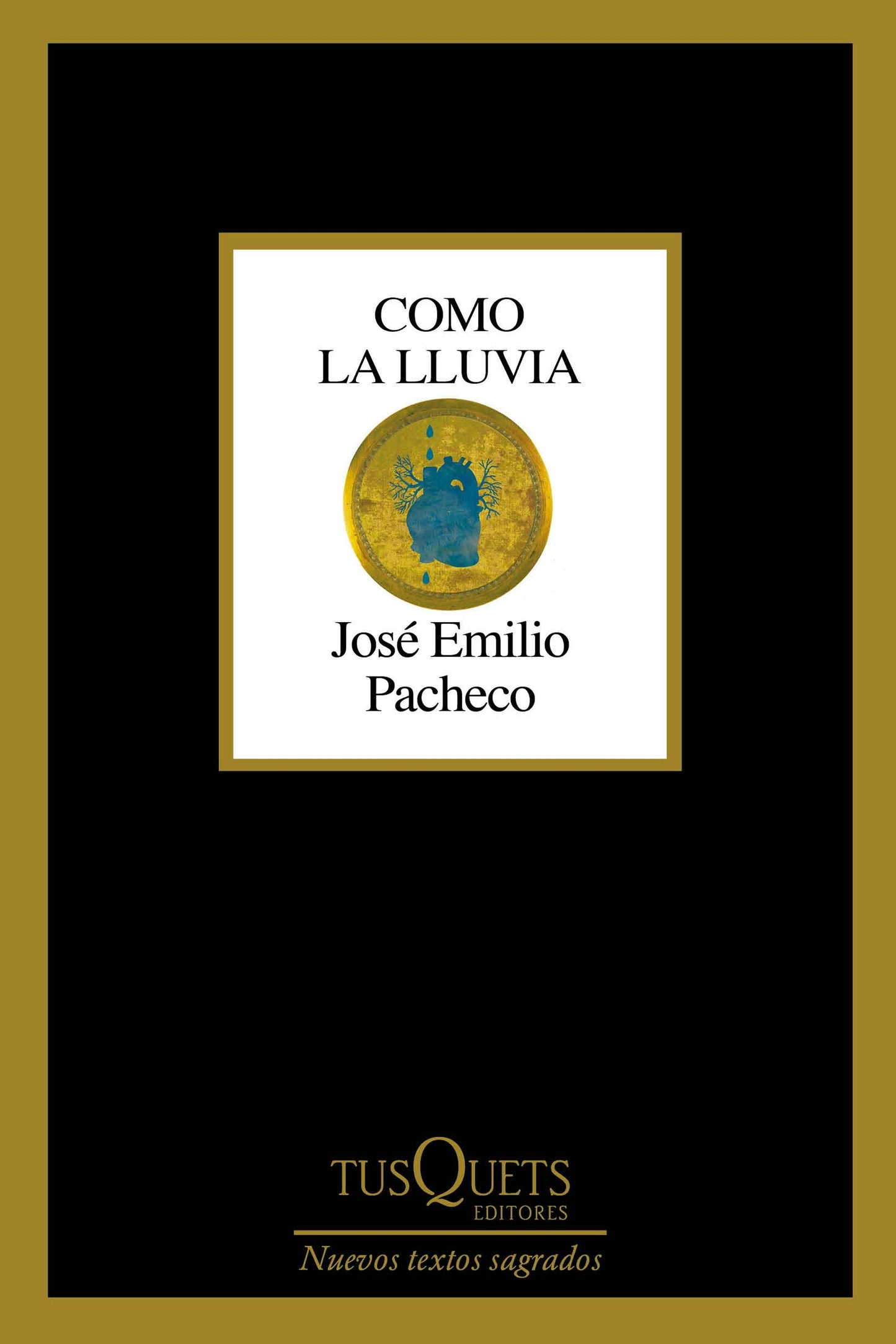
En los poemas de José Emilio Pacheco, escribió Octavio Paz, se exalta la victoria de la naturaleza sobre la cultura y al exaltarla la transfigura, la convierte en palabra.
En Pompeya, en las ruinas que dejó el Vesubio, quedó en pie un muro con un poema inscrito: «Nada es eterno / Brillan los soles y en el mar se hunden / Arde la Luna y se desvanece más tarde / La pasión de amor / Se termina también / Como la lluvia». Los versos se pierden como gotas de lluvia en el océano. Se olvidan los nombres de las ciudades en ruinas. «La dicha que hoy nos cubre / Tiene los días contados».
Compuesto por cinco secciones heterogéneas, tanto en sus formas como en sus motivos, Como la lluvia (2001–2008) de José Emilio Pacheco enaltece el quehacer poético hasta su expresión máxima, mientras nos enseña los rudimentos de la realidad. Su «virtud artística suprema: No se repite nunca, / siempre es nueva».
ENGLISH DESCRIPTION
In the poems of José Emilio Pacheco, Octavio Paz wrote, the triumph of nature over culture is exalted—and in exalting it, he transfigures it, turning it into word.
In Pompeii, among the ruins left by Vesuvius, a wall remained standing with a poem inscribed: “Nothing is eternal / Suns shine and sink into the sea / The moon burns and later fades / The passion of love / Also comes to an end / Like the rain.” Verses vanish like raindrops in the ocean. The names of ruined cities are forgotten. “The happiness that covers us today / Has its days numbered.”
Composed of five heterogeneous sections, both in form and theme, Like the Rain (2001–2008) by José Emilio Pacheco elevates the poetic craft to its highest expression, while teaching us the rudiments of reality. Its “supreme artistic virtue: It never repeats itself, / it is always new.”

