


Some error occured while loading the Quick View. Please close the Quick View and try reloading the page.
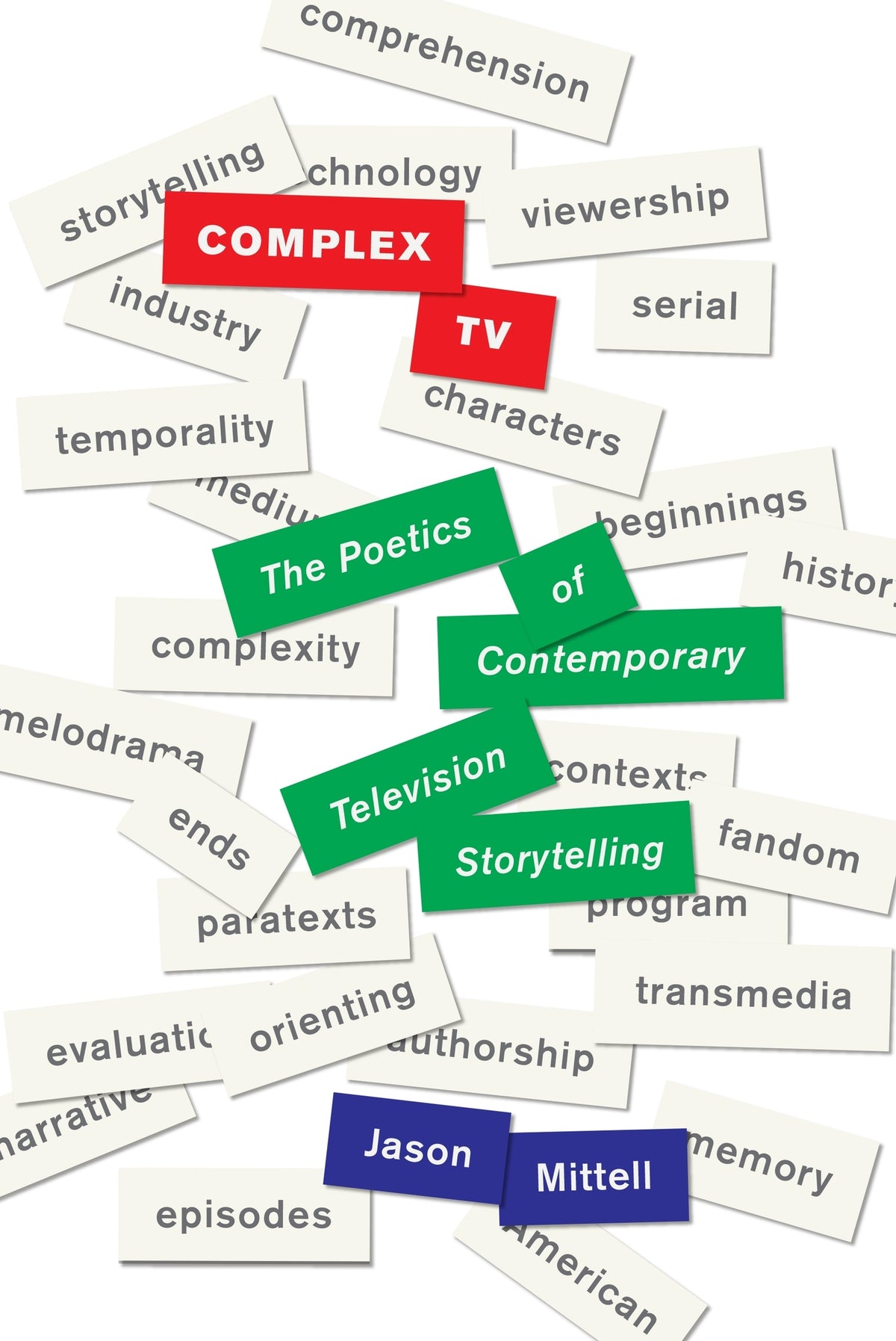
A comprehensive and sustained analysis of the development of storytelling for television
Over the past two decades, new technologies, changing viewer practices, and the proliferation of genres and channels has transformed American television. One of the most notable impacts of these shifts is the emergence of highly complex and elaborate forms of serial narrative, resulting in a robust period of formal experimentation and risky programming rarely seen in a medium that is typically viewed as formulaic and convention bound.
Complex TV offers a sustained analysis of the poetics of television narrative, focusing on how storytelling has changed in recent years and how viewers make sense of these innovations. Through close analyses of key programs, including The Wire, Lost, Breaking Bad, The Sopranos, Veronica Mars, Curb Your Enthusiasm, and Mad Men the book traces the emergence of this narrative mode, focusing on issues such as viewer comprehension, transmedia storytelling, serial authorship, character change, and cultural evaluation. Developing a television-specific set of narrative theories, Complex TV argues that television is the most vital and important storytelling medium of our time.


— Robyn Warhol,co-editor of Narrative Theory Unbound: Queer and Feminist Interventions
"A lucid and provocative exploration of modern television, from the inside out."
— Emily Nussbaum,television critic at the New Yorker
"Mittell cleverly explores Complex TV on its own terms, favouring a formal analysis investigating the poetics of television series over discussing their cultural impact or interpretation of content. Looking at how television tells stories Mittell shows the contribution of technology, reception, and industry in changing television into a & lived cultural experience where different forms of & cultural engagement, are key to understanding the textuality of Complex TV."
"[]Mittels compelling arguments about topics such as anti-heroes and melodrama help us see the bigger picture when it comes to the small screen."