


Some error occured while loading the Quick View. Please close the Quick View and try reloading the page.
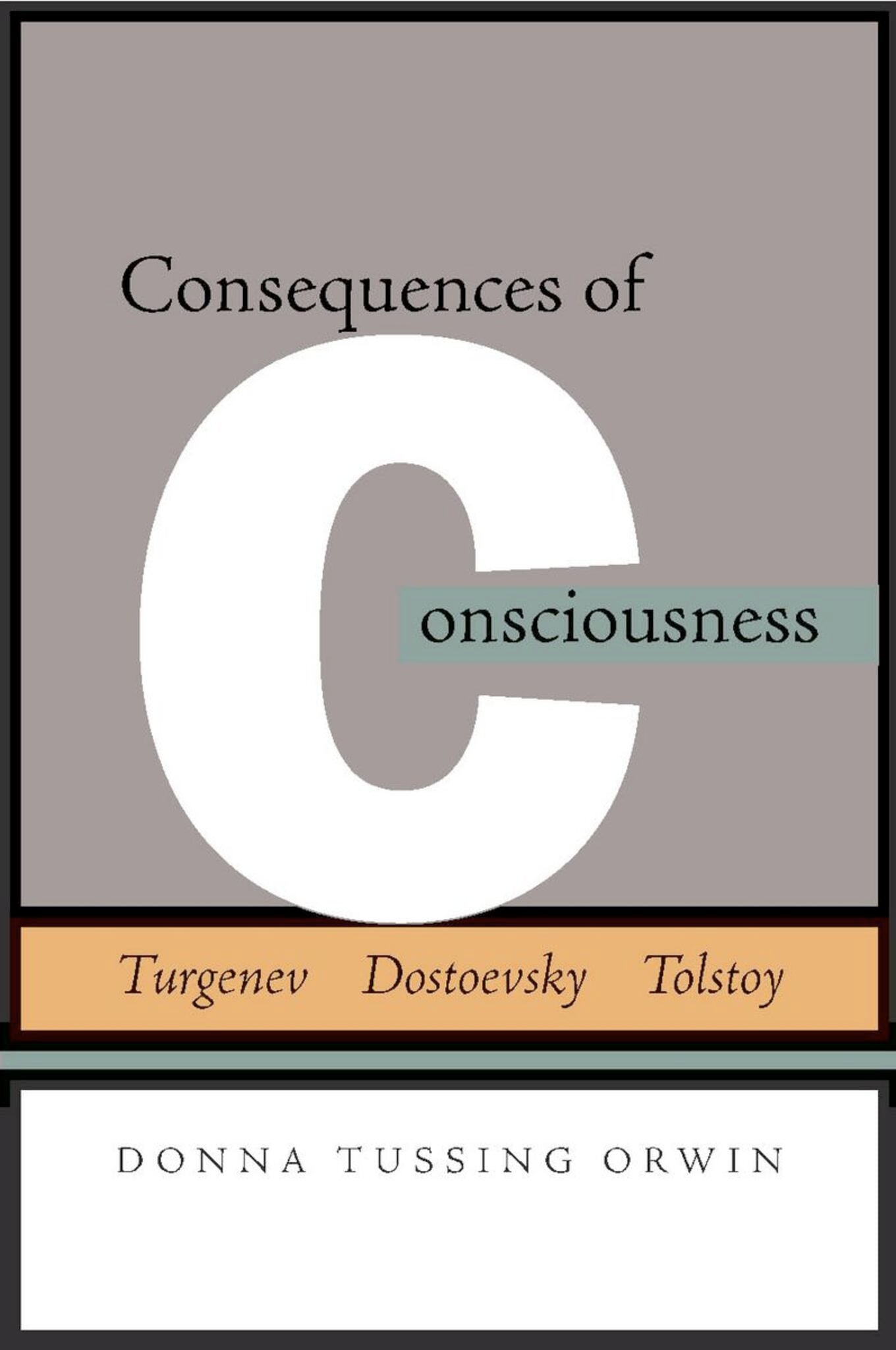
Russian psychological prose has made a distinct contribution to world culture—not only to literature, but also to practical psychology and even to neuropsychology. Consequences of Consciousness focuses primarily on Russian ideas of the self and subjectivity, and how these ideas find expression in the fiction of Turgenev, Dostoevsky, and Tolstoy—the most important founding authors of the Russian school of psychological realism. These writers explore both the limits and the autonomy of subjective consciousness, and their books are as relevant today as they have ever been. Through close analysis of many well-known texts, Orwin reveals that these three authors conversed with each other through their works. She emphasizes the role Western thought played in the development of their psychological prose and how it was transformed by a Russian context.


"Consequences of Consciousness offers a particularly rich sense of the interactions among these three writers (and some others, like Herzen) as, in overt and implicit reference to each other, they debated and redebated ethics, meaning, and selfhood...I hope I do not exaggerate, but it seems to me that Orwin has put her finger on the pulse of Russian realism and reminded us why it matters." —Russian Review
"Consequences of Consciousness is an estimable scholarly endeavor, expertly researched, frequently thought-provoking, and blessedly free of jargon. Shedding new light and revealing light on the interrelationships among the three literary giants of nineteenth-century Russia, it will make its readers far more conscious of the workings of consciousness in both Russian and western literature." —Slavic Review
"Orwin's study is that rare book from which many different readers may derive benefit: it is philosophically agile, filled with exacting and illuminating readings of important texts, and engagingly written—all in the service of a cursed, undying question about what it means for us to live as creatures condemned to know they live only to die." —Slavic and East European Journal