


Some error occured while loading the Quick View. Please close the Quick View and try reloading the page.
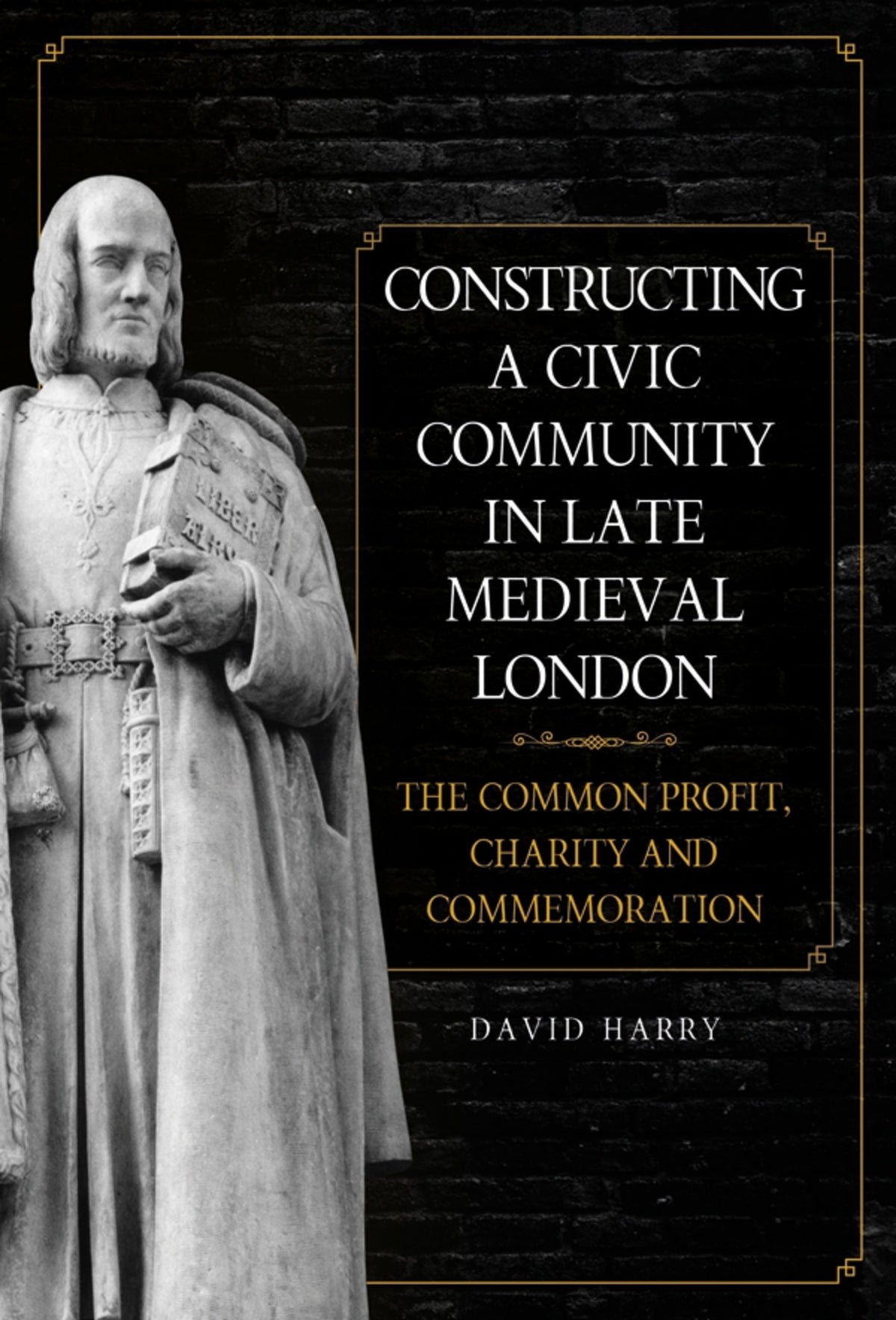
An examination of the growth of civic power in the turbulent arena of late medieval London.
In the late fourteenth century, London's government, through mismanagement and negligence, experienced a series of crises. Relationships with the crown were tested; competing factions sought to wrest power from the hands of the once all-powerful victualling guilds; revolt in the streets in 1381 targeted the institutions of royal as well as civic power; and, between 1392 and 1397, King Richard removed the liberties of the city and appointed his own wardensto govern in place of the mayor of London.
This book examines the strategies employed by the generation of London aldermen who governed after 1397 to regain control of their city. By examining a range of interdisciplinary sources, including manuscript and printed books, administrative records, accounts of civic ritual and epitaphs, the author shows how, by carefully constructing the idea of a civic community united by shared political concerns and spiritual ambitions, a small number of men virtually monopolised power in the capital. More generally, this is an exploration of the mentalities of those who sought civic power in the late Middle Ages and provokes the question: whygovern, and for whom?
DAVID HARRY is Lecturer in History at the University of Chester.
In the late fourteenth century, London's government, through mismanagement and negligence, experienced a series of crises. Relationships with the crown were tested; competing factions sought to wrest power from the hands of the once all-powerful victualling guilds; revolt in the streets in 1381 targeted the institutions of royal as well as civic power; and, between 1392 and 1397, King Richard removed the liberties of the city and appointed his own wardensto govern in place of the mayor of London.
This book examines the strategies employed by the generation of London aldermen who governed after 1397 to regain control of their city. By examining a range of interdisciplinary sources, including manuscript and printed books, administrative records, accounts of civic ritual and epitaphs, the author shows how, by carefully constructing the idea of a civic community united by shared political concerns and spiritual ambitions, a small number of men virtually monopolised power in the capital. More generally, this is an exploration of the mentalities of those who sought civic power in the late Middle Ages and provokes the question: whygovern, and for whom?
DAVID HARRY is Lecturer in History at the University of Chester.

Price: $120.00
Pages: 228
Publisher: Boydell & Brewer Inc.
Imprint: Boydell Press
Publication Date:
15 February 2019
Trim Size: 9.21 X 6.14 in
ISBN: 9781783273782
Format: Hardcover
BISACs:
HISTORY / Europe / Medieval, European history: medieval period, middle ages, LITERARY CRITICISM / Medieval, Literary studies: ancient, classical and medieval

[Well] written and accessible to non-specialists.
— SPECULUM
Harry's thoughtful analysis gives us a new blueprint for understanding the complex forces at work in fashioning new political relationships in post-plague London. Highly recommended.
This book will be invaluable for those who want to understand how the governors of late medieval cities established and justified their positions in society.
[A] very timely, welcome, and important book.
— Paul Griffiths
— SPECULUM
Harry's thoughtful analysis gives us a new blueprint for understanding the complex forces at work in fashioning new political relationships in post-plague London. Highly recommended.
This book will be invaluable for those who want to understand how the governors of late medieval cities established and justified their positions in society.
[A] very timely, welcome, and important book.
— Paul Griffiths
Introduction: Common profit and charity in late medieval London
Radical London, 1376-1386
Reconfiguring political authority
Civic ceremony and staging the limits of authority
The exemplary dead
Spiritual authority and the common profit
Print and the pursuit of the common profit
Conclusion
Bibliography
Radical London, 1376-1386
Reconfiguring political authority
Civic ceremony and staging the limits of authority
The exemplary dead
Spiritual authority and the common profit
Print and the pursuit of the common profit
Conclusion
Bibliography