


Some error occured while loading the Quick View. Please close the Quick View and try reloading the page.
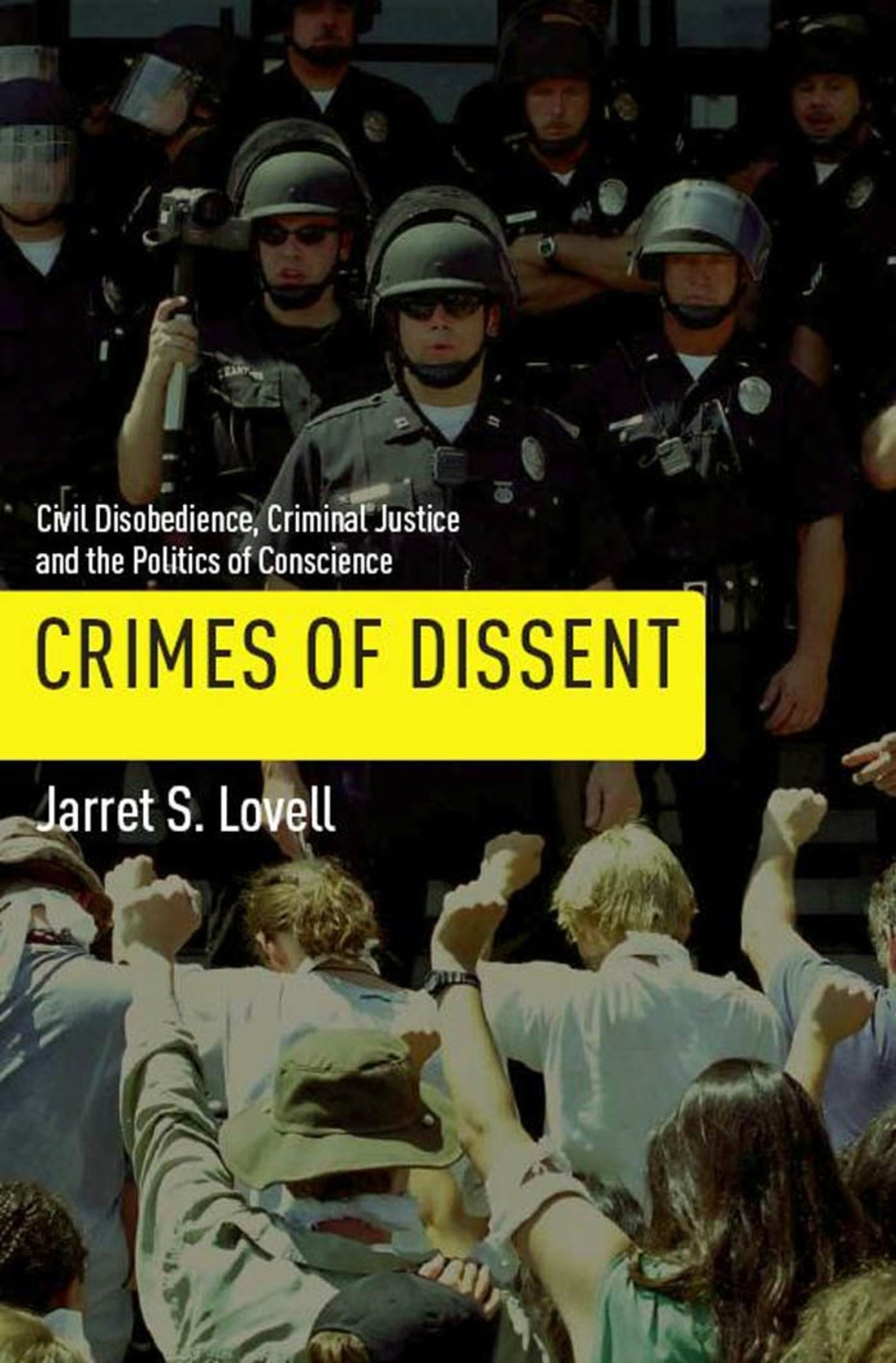
From animal rights to anti-abortion, from tax resistance to anti-poverty, activists from across the political spectrum often deliberately break the law to further their causes. While not behaviors common to hardened or self-seeking criminals, the staging of civil disobedience, non-violent resistance, and direct action can nevertheless trigger a harsh response from law enforcement, with those arrested risking jail time and criminal records. Crimes of Dissent features the voices of these activists, presenting a fascinating insider’s look at the motivations, costs and consequences of deliberately violating the law as a strategy of social change.
Crimes of Dissent provides readers with an in-depth understanding of why activists break the law, and what happens to them when they do. Using dynamic examples, both historic and recent, Jarret Lovell explores how seasoned protesters are handled and treated by the criminal justice system, shedding light on the intersection between the political and the criminal. By adopting the unique vantage of the street-level activist, Crimes of Dissent provides a fascinating view of protest from the ground, giving voice to those who refuse to remain silent by risking punishment for their political actions.


— Bruce Curtis
Crimes of Dissent will immediately engage students and activists alike. Using clear and concise first-person narratives, the book explains why and how people engage in civil disobedience and the ways that law enforcement responds. The reader stands to learn important concepts and ideas regarding political dissent, its long history, and the theory behind it.
— Luis A. Fernandez,author of Policing Dissent: Social Control and the Anti-Globalization Movement
Civil disobedience is the voice of our consciences, the courage which mocks our fear of authority, the point where right defies rules. This book wisely and elegantly charts the methods and philosophy of dissent, it is a must read and a good read for anyone concerned with the injustices of our times.
— Jock Young,author of The Vertigo of Late Modernity
This book is a timely reminder of the long history of the criminalization of dissent and civil disobedience that from time to time gets buried under the mass of numbers and figures so loved by many criminologists. Here we get the real story of dissent as narrated by dissenters themselves and the effects of the criminalization process on the everyday lives of both their families and themselves.
— Mike Presdee,author of Cultural Criminology and the Carnival of Crime
is a highly engaging examination of contemporary forms and meanings of political activism in the United States. Written from the perspective of the scholar activist, the book is one part promotion of law violating forms of political action - & crimes of dissent - and one part handbook on civil disobedience.
As a window into the contemporary American subculture of dissent, Crimes of Dissent is a fascinating read. The current American microcosm of dissentwhich is at turns strange and familiar, idealistic and pragmatic, ludicrous and lucidis revealed in full glory.