


Some error occured while loading the Quick View. Please close the Quick View and try reloading the page.
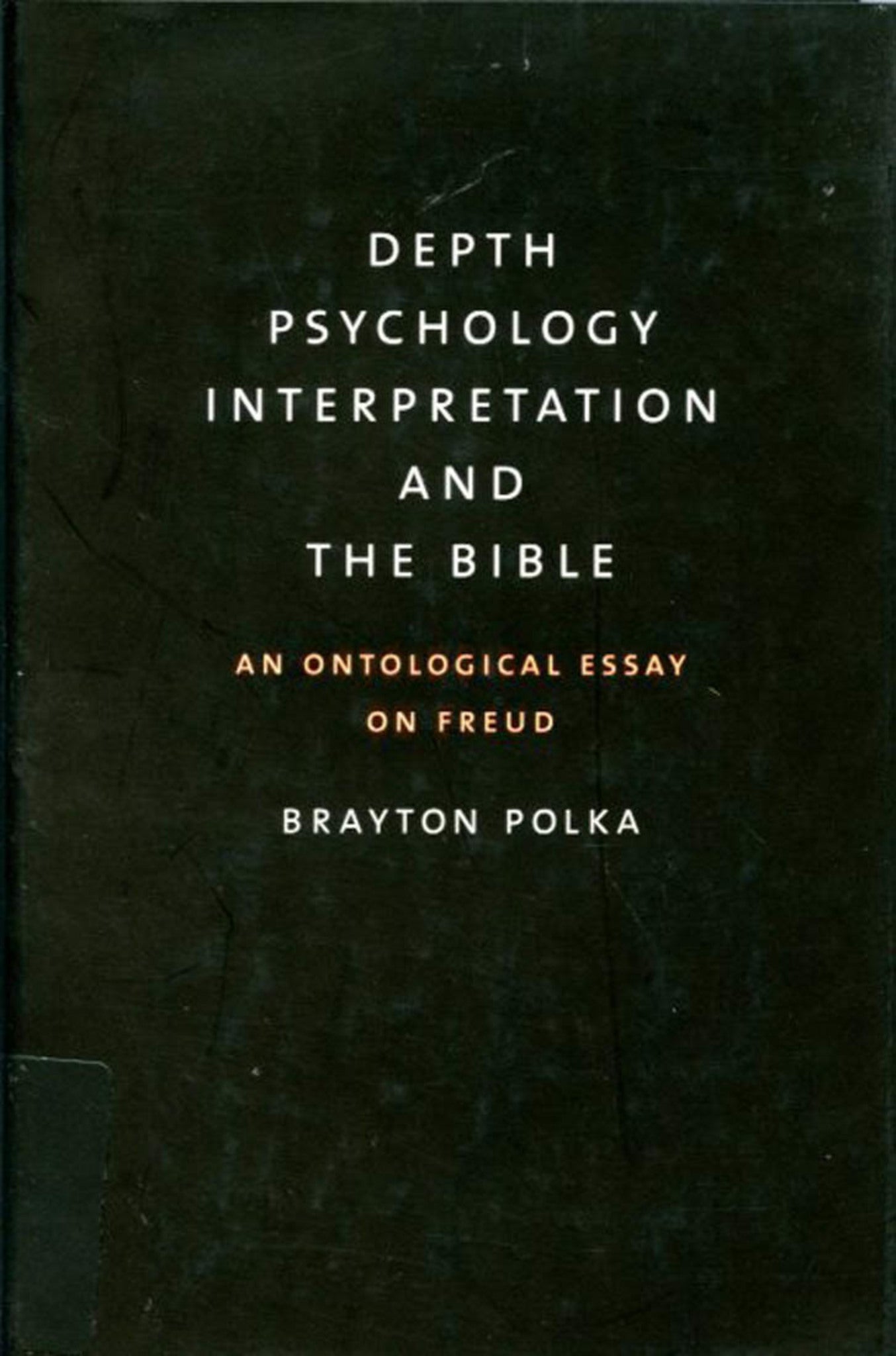
Polka also raises the larger issue of the relationship between modernity, hermeneutics, and biblical ontology. He argues that the origins and structure of modern values can be understood only through a theory of hermeneutics whose ontology overcomes the dualism between the secular and the religious, between philosophy and religion. Polka shows this to be possible when biblical ontology is understood to be at once rational and faithful, secular and religious. He uses the work of Spinoza, Kant, Hegel, and Kierkegaard to articulate the ontological framework that makes clear how typically modern Freud is in being unable to account for the relationship of his thought to biblical religion. Polka argues that Freudian metapsychology, precisely because it cannot account for its own principles of explanation, contradicts the insights of depth psychology. Paradoxically, religion returns in Freud as the repressed, as it does in so much of modern thought. Polka shows that what is therefore required is a hermeneutical theory whose ontological articulation of biblical religion is critically self-conscious.

Price: $110.00
Publisher: McGill-Queen's University Press
Imprint: McGill-Queen's University Press
Publication Date:
12 February 2001
ISBN: 9780773568853
Format: eBook
BISACs:
PSYCHOLOGY / Psychotherapy / Psychoanalysis

"Polka's work is very well unified and yet richly complex. Reading this book was a great intellectual experience. The scholarship is superb ... constantly stimulating reflection on the premodern, the modern, and the postmodern." David Goicoechea, Department of Philosophy, Brock University