


Some error occured while loading the Quick View. Please close the Quick View and try reloading the page.
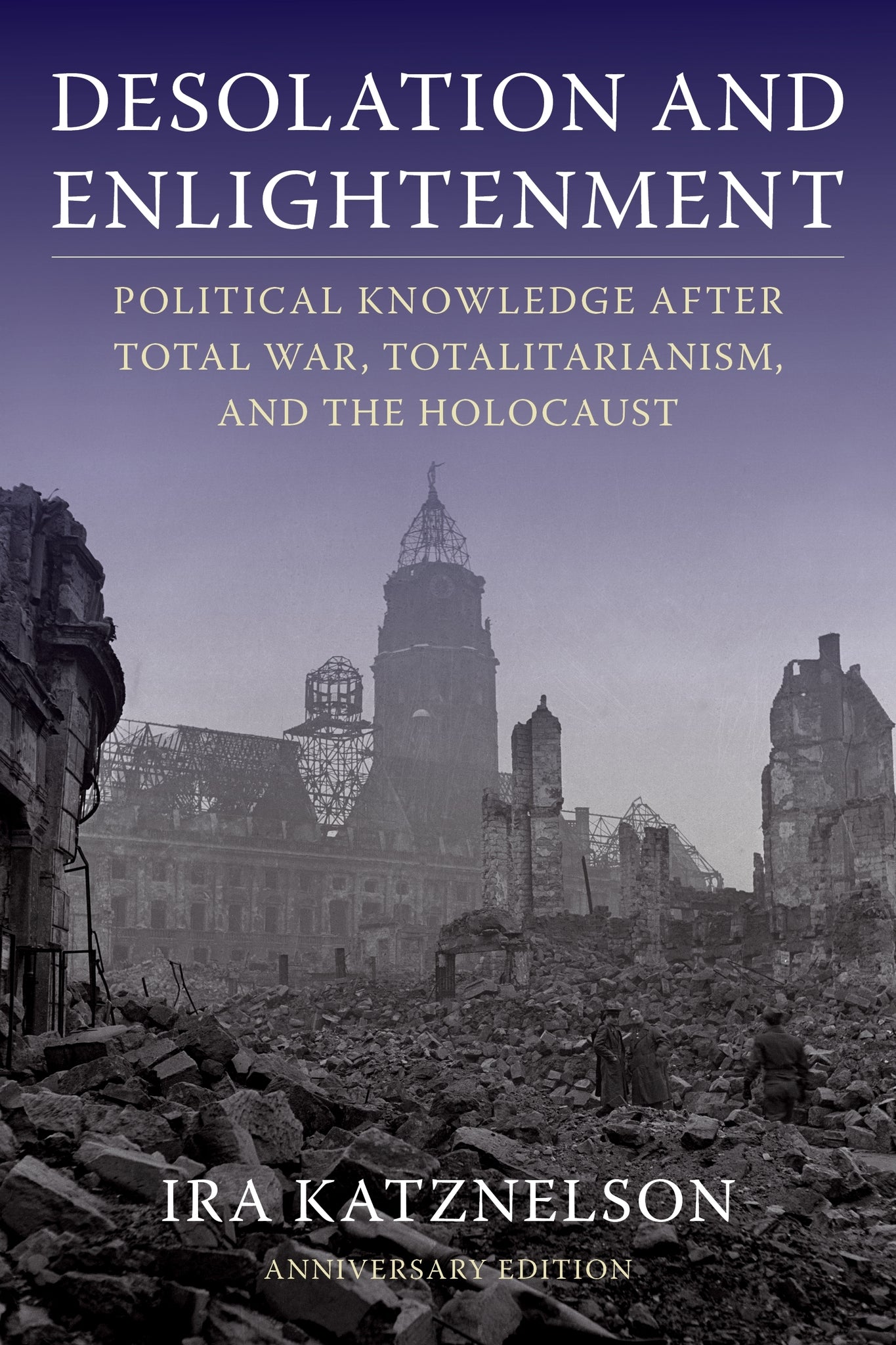
During and especially after World War II, a group of leading scholars who had been perilously close to the war’s devastation joined others fortunate enough to have been protected by distance in an effort to redefine and reinvigorate liberal ideals for a radically new age. Treating evil as an analytical category, they sought to discover the sources of twentieth-century horror and the potentialities of the modern state in the wake of desolation. In the process, they devised strikingly new ways to understand politics, sociology, and history that reverberate still.
In this major intellectual history, Ira Katznelson examines the works of Hannah Arendt, Robert Dahl, Richard Hofstadter, Harold Lasswell, Charles Lindblom, Karl Polanyi, and David Truman, detailing their engagement with the larger project of reclaiming the West’s moral bearing. In light of their epoch’s calamities, these intellectuals insisted that the tradition of Enlightenment thought required a new realism, a good deal of renovation, and much recommitment. This array of historians, political philosophers, and social scientists understood that a simple reassertion of liberal modernism had been made radically insufficient by the enormities and moral catastrophes of war, totalitarianism, and the Holocaust. Confronting dashed hopes for reason and knowledge, they asked not just whether the Enlightenment should define modernity but also which Enlightenment we should wish to have.


— G. John Ikenberry
Katznelson's book remarkably (re)describes post-World War II American political studies... This is an important book.
— Maurice Meilleur
[An] eloquent volume. . . . Timely and important.
Desolation and Enlightenment is a passionate call to arms.... [Katznelson's] book provides inspiration and considerable guidance for anyone who believes in the social responsibilities of intellectuals.
Rich and thoughtful. . . . Contemporary political scientists have produced no better or more profound account of twentieth-century Western political theory.
Katznelson's book is an excellent study of one episode in the history of social sciences, an episode that is by no means interesting only to historians. Historical institutionalism is still a very productive approach and Desolation and Enlightenment helps to identify the strengths and limitations of this approach that may be hidden to its contemporary advocates and critics... Katznelson's work shows how real the dilemmas of the political studies enlightenment group are to all of us.
Katznelson's book is well written, a clear yet crystalline, multifaceted examination of the plight of Enlightenment thought.
Preface and Acknowledgments
1. Beyond Common Measure
2. The Origins of Dark Times
3. A Seminar on the State
4. A New Objectivity
Index