


Some error occured while loading the Quick View. Please close the Quick View and try reloading the page.
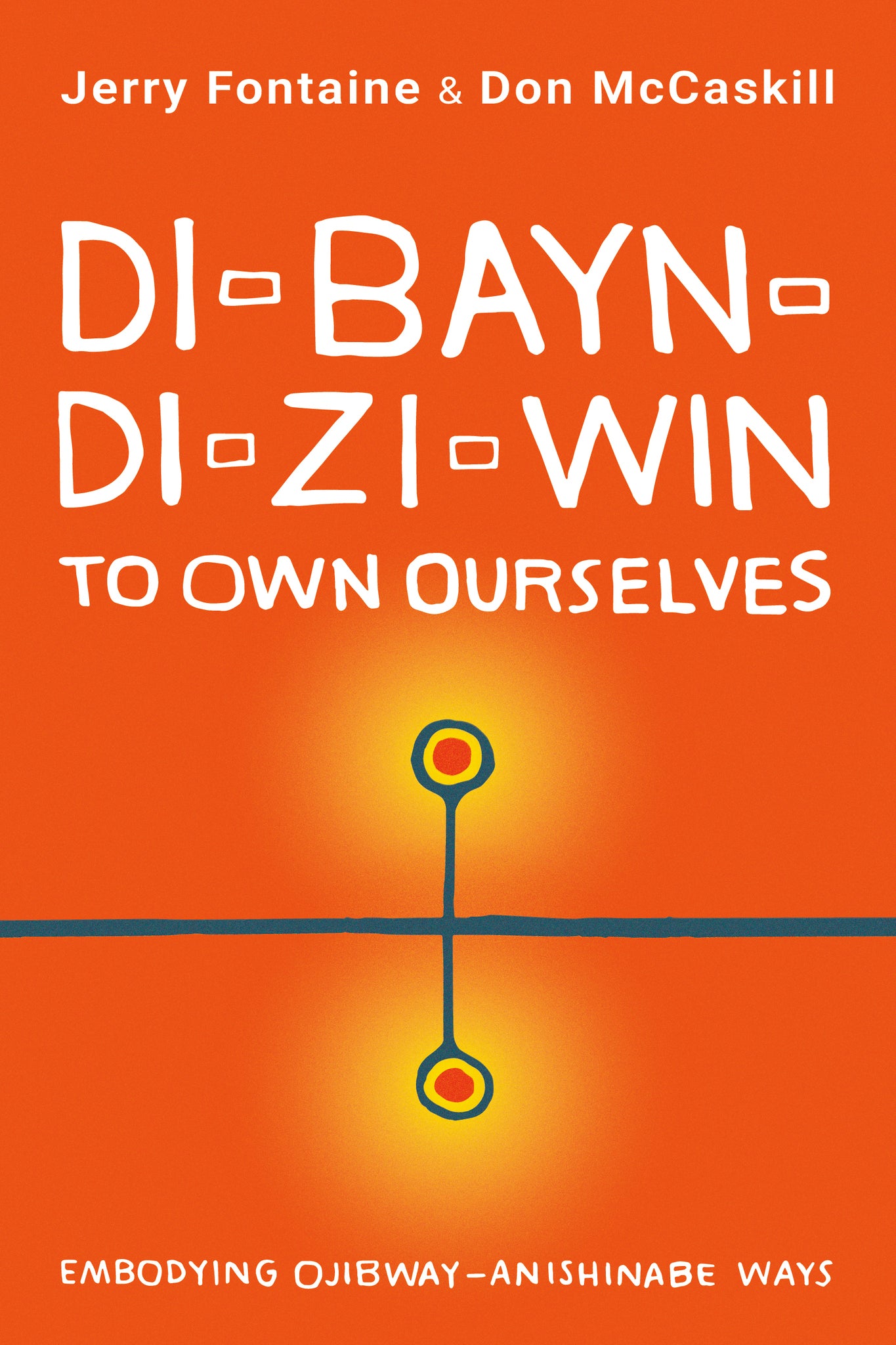
Indigenization within the academy and the idea of truth and reconciliation within Canada have been seen as the remedy to correct the relationship between Indigenous Peoples and Canadian society. While honourable, these actions are difficult to achieve given the Western nature of institutions in Canada and the collective memory of its citizens, and the burden of proof has always been the responsibility of Anishinabeg.
Authors Makwa Ogimaa (Jerry Fontaine) and Ka-pi-ta-aht (Don McCaskill) tell their di-bah-ji-mo-wi-nan (Stories of personal experience) to provide insight into the cultural, political, social, and academic events of the past fifty years of Ojibway-Anishinabe resistance in Canada. They suggest that Ojibway-Anishinabe i-zhi-chi-gay-win zhigo kayn-dah-so-win (Ways of doing and knowing) can provide an alternative way of living and thriving in the world. This distinctive worldview — as well as Ojibway-Anishinabe values, language, and ceremonial practices — can provide an alternative to Western political and academic institutions and peel away the layers of colonialism, violence, and injustice, speaking truth and leading to true reconciliation.


These messages must be for ourselves first and foremost in that a much-neglected area in our struggle is the reclaiming of our minds — our own imaginations. Di-bayn-di-zi-win will be useful for our people here in New Zealand and many of the Indigenous jurisdictions I have worked with across the world.
There are multiple ways to inhabit our deepest principles. There are also many ways to honor land and our elders by embodying the teachings of both. Here is life found in kindness, loving, and truth. How do we access healing and how do we share this healing with others? Reading this book is one way. Tears of gratitude are for you both, Jerry Fontaine and Don McCaskill. Mahalo nui no ko ʻike nahenahe. Thank you for this mutual emergence shaped as much by friendship as it is by ʻike kupuna - elder knowledge. What is within these pages are ceremonial gifts offered to all who will take the time to connect with what is inevitable about our collective evolution.
The work that will take us towards the equitable and respectful mutual co-existence that our ancestors envisioned with each treaty signed to share land and resources includes this book and others to come.
This book can be a source of inspiration to take a new path, in and out of academia, for both Indigenous and non-Indigenous people.
Ka-pi-ta-aht (Don McCaskill) is professor emeritus in the Department of Indigenous Studies at Trent University, where he taught for forty-seven years and served as chair for thirteen years. He has edited seven books in the fields of Anishinabe culture, education, community development, and urbanization. Don lives in Toronto.
Maa-ji-taa (We Begin)
Niinitam (My Turn) Don McCaskill
1 Ka-pi-ta-aht di-bah-ji-mo (Don McCaskill Tells His Story)
2 Niizhwasso ishkode (Seventh Fire): Political Resistance and Ojibway-Anishinabe Cultural Renewal
- Cultural Renewal of the Seventh Fire: Anishinabe Ways of Doing and Knowing and Nah-nahn-gah-dah-wayn-ji-gay-win (How we came to think this way about our reality)
- The Continuance of Resistance and Revival
- Residential School System
- Environmental Protests
- Missing and Murdered Indigenous Women and Girls
- Has Resurgence Made a Difference?
- The Academic Program
- Applied Community Program
- Political Advocacy and Outside Pressures
- The Cultural Component
- Trent Department Expansion
- Bezhig onaagan gaye bezhig emikwan, biin-di-go-daa-di-win, and naa-wi aki: A Culturally Based Approach to Reconciliation and Indigenizing the Academy
- Challenges
- Moving Forward
4 Makwa Ogimaa di-bah-ji-mo (Jerry Fontaine Shares His Story)
- Ni di-bah-jim (I’ll share my story)
- Kay-go-wah-ni-kayn andi-wayn-ji-ahn (Don’t ever forget where you come from)
- O-di-ni-gay-win zhigo Nay-nahn-do-jee-kayn-chi-gayd (Digging Around and Doing Research)
- Nah-nahn-gah-dah-wayn-ji-gay-win (How we came to think this way about our reality)
- I-nah-di-zi-win (Our way of being and way of life)
- Ojibway-anishinabe i-zhi-chi-gay-win zhigo kayn-dah-so-win gemaa a-zhi-kay-ni-mo-nahd-a-di-sid bay-mah-di-sid (Ojibway-Anishinabe ways of doing and knowing or how we used our way of thinking and ceremonies to find answers)
6 Ni-noon-dah-wah-min in-way-wahd gi-gay-tay anishinabeg on-ji-ning-gi-kayn-dah-so-min wayn-ji-da ji-ga-gway-dwaywi-nan (We hear the voices of our ancestors because we know how to ask the most basic questions)
- Di-bah-ji-mo-win o-nah-ko-nah (To ceremonially call upon the story)
- Di-bah-ji-mo maa-gi-zhaa gaye mah-zhi-nay-bi’i-gay (The story is shared and then maybe written)
- Ah-way-chi-gay-win (To teach by telling a story)
Timeline of Events
Maah-ni-ka-no-tah-gay-win (Interpretation and Glossary)
Meegwetchiwenimaad (Acknowledgements)
Notes
Index
About the Authors