


Some error occured while loading the Quick View. Please close the Quick View and try reloading the page.
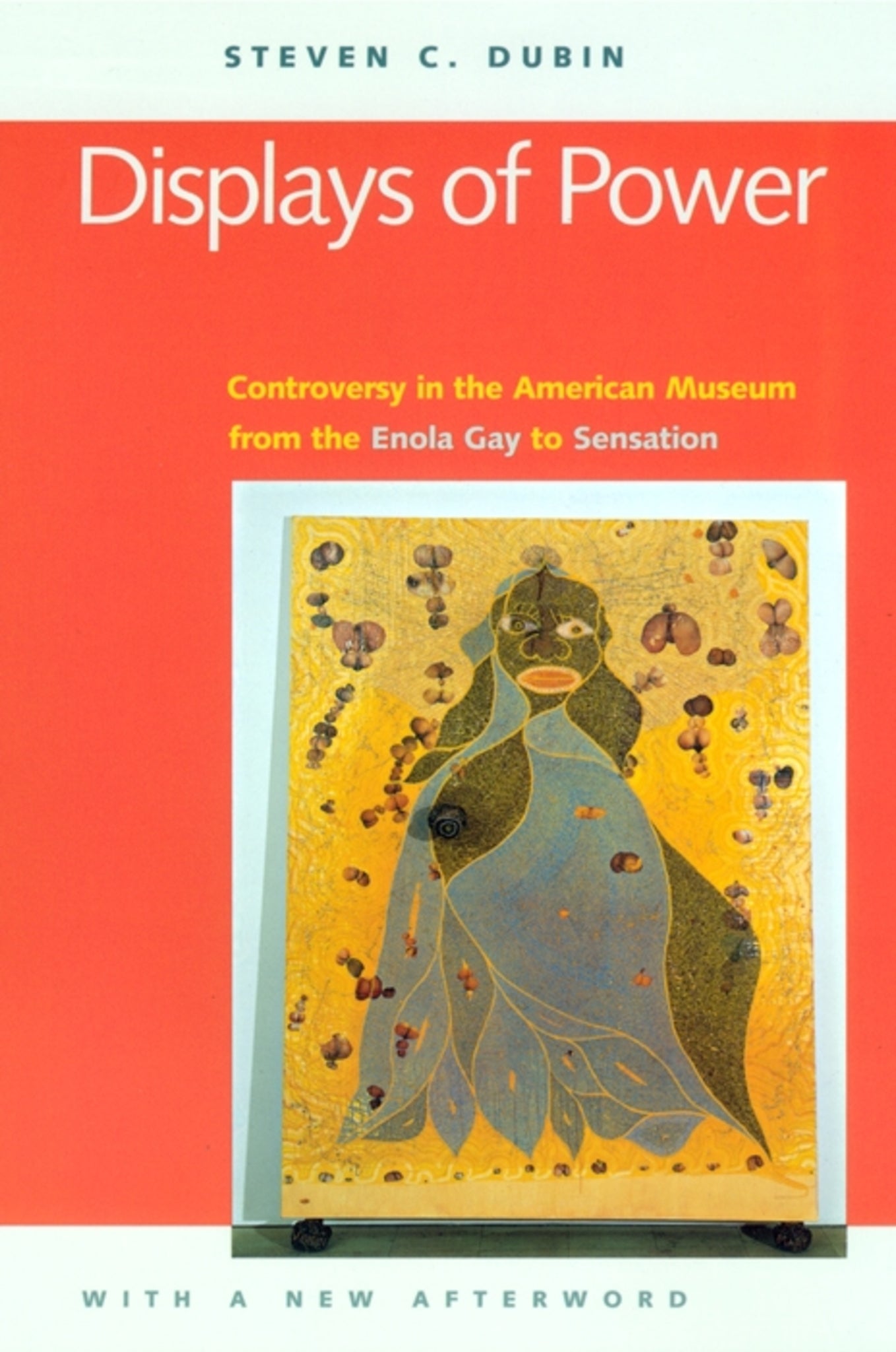
A study of the American cultural wars taking place in controversial museum exhibitions
Museums have become ground zero in America's culture wars. Whereas fierce public debates once centered on provocative work by upstart artists, the scrutiny has now expanded to mainstream cultural institutions and the ideas they present. In Displays of Power, Steven Dubin, whose Arresting Images was deemed "masterly" by the New York Times, examines the most controversial exhibitions of the 1990s. These include shows about ethnicity, slavery, Freud, the Old West, and the dropping of the atomic bomb by the Enola Gay. This new edition also includes a preface by the author detailing the recent Sensation! controversy at the Brooklyn Museum. Displays of Power draws directly upon interviews with many key combatants: museum administrators, community activists, curators, and scholars. It authoritatively analyzes these episodes of America struggling to redefine itself in the late 20th century.


"Displays of Power is contentious, irreverent, and entertaining, but it is also absolutely serious. ... Is the book useful or intimidating? Is it a cautionary tale or a diatribe against museum complacency? I believe that it is all of these things. ... A cautionary tale told boisterously and wittily."
"Dubin's book thoughtfully examines all facets of the Brooklyn confrontation without assigning blame. Instead, he gives us a case study that we can learn from."
"Fascinating. . . Walking the fine line of consultation versus freedom of thought is an issue for every curator, every director. If this book is not on your shelf you are missing one of the key maps to the territory in which you travel."
"A lively and insightful new book. ... Using an evenhanded journalistic approach and remarkably revealing interviews, Dubin documents how the institutions, run by idealistic and politically naive curators and exploited by conservative opponents, were marred by allowing minor conflicts to blow up into front-page stories. ... Show[s] that while museum may be adept at producing spectacular displays of propaganda, they are often incapable of predicting the reactions of their audiences."