


Some error occured while loading the Quick View. Please close the Quick View and try reloading the page.
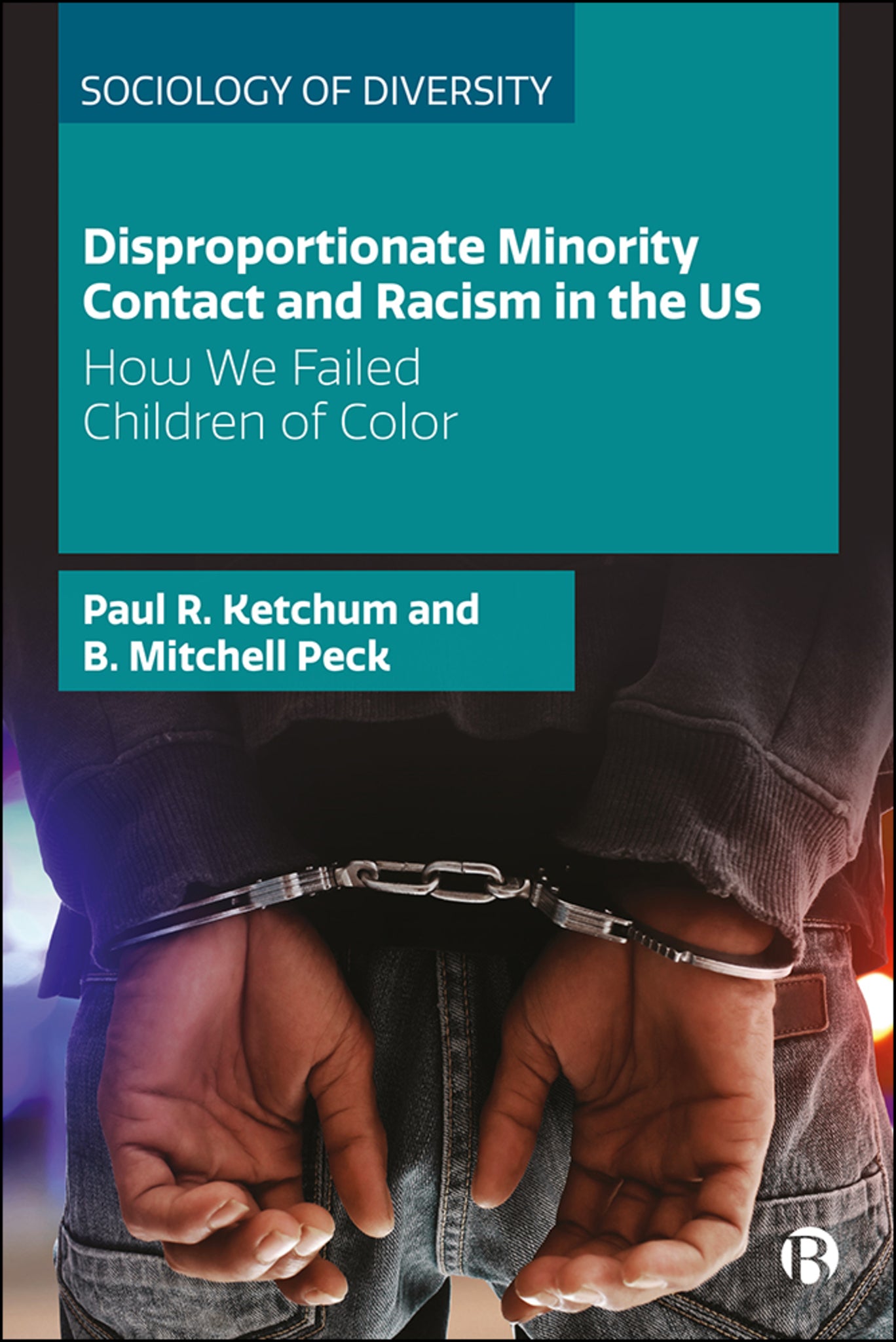
Disproportionate Minority Contact (DMC) refers to the proportional overrepresentation of minority youth at each step of the juvenile justice system.
This book addresses the issue of color-blind racism through an examination of the circular logic used by the juvenile justice system to criminalize non-White youth.
Drawing on original data, including interviews with court and probation officers and juvenile self-reports, the authors call for a need to understand racial and ethnic inequality in the juvenile justice system from a structural perspective rather than simply at the level of individual bias.
This unique research will contribute to larger discussions on how race operates in the United States.


Paul R. Ketchum is Assistant Professor of Criminal Justice at the University of Oklahoma.
B. Mitchell Peck is Associate Professor of Sociology at the University of Oklahoma.
Introduction: Policy Born Out of Racist Myth
Occam’s Razor: Racial/Ethnic Inequality Throughout Society
Law Enforcement Contact with Juveniles: Arrests and Citations
The Juvenile Justice System: Intake Decisions and Outcomes
Juvenile Self-Reports of Deviant and Criminal Behaviour
Data Issues and the Case for Self-Report Data
Police, Juvenile Court and Juvenile Specialist Interviews
Conclusion and Discussion