


Some error occured while loading the Quick View. Please close the Quick View and try reloading the page.
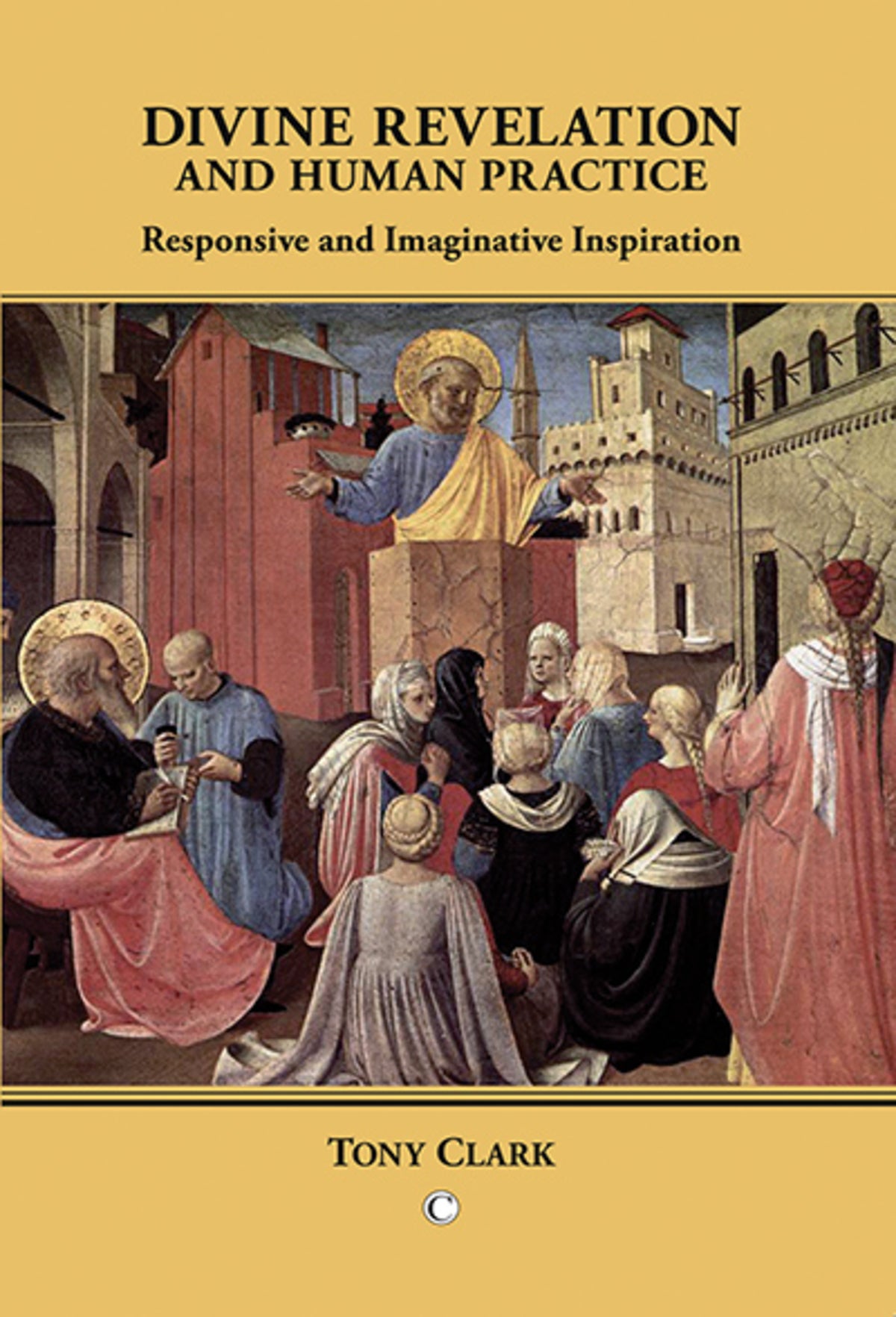
A creative contribution to the doctrine of revelation, seeking an understanding of God’s self-disclosure in the Church’s participation in His Trinitarian life.
Divine Revelation and Human Practice is a substantial work providing important and original proposals for rearticulating the doctrine of revelation.
The author takes as his point of departure Karl Barth’s doctrine of the Word of God. Barth has impressed upon theology that revelation is primarily an event in which God establishes relationship with humanity in an act of his sovereign freedom. But what is the role of human participation in this revelatory event? It is here that Barth’s account is less than satisfactory, and this shortcoming points to the principal theme of the book.
Addressing this theme, Clark engages with the work of Michael Polanyi, whose philosophy provides a potent resource for the task. One profoundly innovative aspect of Polanyi’s work is his theory of tacit knowledge, which demonstrates how articulate knowledge (conceptual understanding) arises out of knowledge established through practical and intrinsically imaginative participation in particular practices or “life-ways”. Although we depend upon such knowledge, we can articulate it only in part. We know more than we can tell.
This insight has profound implications for the doctrine of revelation. It suggests that knowledge of God is necessarily bound up with the various practices of the church in which Christians are imaginatively engaged and through which God makes himself known. It also suggests that such knowledge cannot be fully articulated.
Clark does not deny the possibility or the importance of doctrinal formulation, but he does issue a reminder that theological statements are only possible because God gives himself to be known in the life and practices of the church.
Divine Revelation and Human Practice is a substantial work providing important and original proposals for rearticulating the doctrine of revelation.
The author takes as his point of departure Karl Barth’s doctrine of the Word of God. Barth has impressed upon theology that revelation is primarily an event in which God establishes relationship with humanity in an act of his sovereign freedom. But what is the role of human participation in this revelatory event? It is here that Barth’s account is less than satisfactory, and this shortcoming points to the principal theme of the book.
Addressing this theme, Clark engages with the work of Michael Polanyi, whose philosophy provides a potent resource for the task. One profoundly innovative aspect of Polanyi’s work is his theory of tacit knowledge, which demonstrates how articulate knowledge (conceptual understanding) arises out of knowledge established through practical and intrinsically imaginative participation in particular practices or “life-ways”. Although we depend upon such knowledge, we can articulate it only in part. We know more than we can tell.
This insight has profound implications for the doctrine of revelation. It suggests that knowledge of God is necessarily bound up with the various practices of the church in which Christians are imaginatively engaged and through which God makes himself known. It also suggests that such knowledge cannot be fully articulated.
Clark does not deny the possibility or the importance of doctrinal formulation, but he does issue a reminder that theological statements are only possible because God gives himself to be known in the life and practices of the church.

Price: $29.99
Pages: 244
Publisher: Boydell & Brewer Inc.
Imprint: James Clarke
Publication Date:
29 April 2010
Trim Size: 9.02 X 5.98 in
ISBN: 9780227173138
Format: Paperback
BISACs:
RELIGION / Christian Theology / Systematic

[Clark] certainly opens up many avenues of thought, especially for those with an interest in Barth, Polanyi, theology and science, or epistemology.
— Marian Maskulak
— Marian Maskulak
Foreword by Trevor Hart
Introduction
1. An Exposition of Karl Barth’s Doctrine of Revelation
2. Critical Engagement with Barth
3. Michael Polanyi’s Theory of Knowledge
Excursus: Polanyi and Religion
4. Barth and Polanyi in Conversation
5. Revelation and Participation
6. Revelation and Imagination
7. Closing Remarks
Introduction
1. An Exposition of Karl Barth’s Doctrine of Revelation
2. Critical Engagement with Barth
3. Michael Polanyi’s Theory of Knowledge
Excursus: Polanyi and Religion
4. Barth and Polanyi in Conversation
5. Revelation and Participation
6. Revelation and Imagination
7. Closing Remarks