


Some error occured while loading the Quick View. Please close the Quick View and try reloading the page.
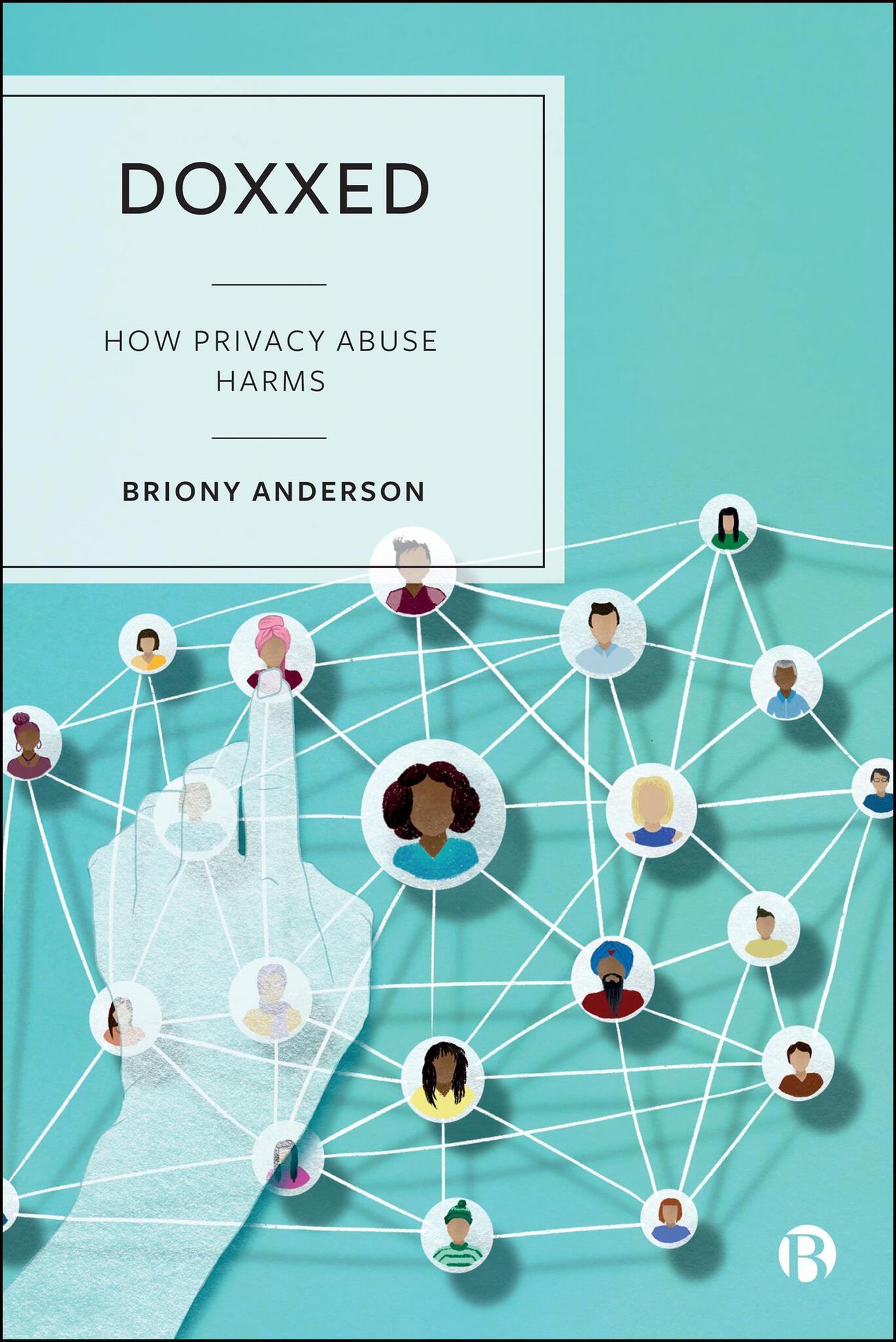
What happens when your personal information is weaponized against you online?
This groundbreaking book offers a novel examination of doxxing—the malicious sharing of private, identifiable and sensitive information—through a feminist and post-humanist lens. Drawing on in-depth interviews with 18 victim-survivors, it reveals the deeply gendered harms of privacy abuse, from public shaming and reputational damage to the erosion of informational autonomy.
Challenging conventional understandings of digital abuse, the book foregrounds the lived experiences of those affected and calls for urgent, victim-centred reforms. A vital resource for scholars and advocates, it reimagines data rights in a digital world increasingly shaped by surveillance and control.


'In Doxxed: How Privacy Abuse Harms, Briony Anderson provides a compelling and eminently readable account of the violence experienced when our "informational autonomy" is breached. A must-read for criminologists, legal scholars, and policy makers concerned about the erosion of privacy in our digital society.' Anastasia Powell, RMIT University
'Anderson’s incisive, empirical analysis of ruptures to privacy through doxxing shows that informational autonomy is well worth fighting for.' Justin Ellis, University of Newcastle, Australia
'Compelling reading for all those interested in digital criminology, gendered abuse, and privacy and data rights. Briony Anderson’s competent and thought-provoking writing fills an important gap in the literature.' Anita Lavorgna, University of Bologna
1. Introduction: How Do Non- Consensual Disclosures Harm?
2. Personhood and Place in Online Domains
3. The Violence of Non-Consensual Disclosure
4. Privacy Harms in the Present and Future
5. Overcoming Doxxing: Masculinity and Ruptured Honour
6. Resistance in the Aftermath of Doxxing
7. Conclusion: Affirming the Right to Informational Autonomy