


Some error occured while loading the Quick View. Please close the Quick View and try reloading the page.
#1 Calgary Herald Bestseller
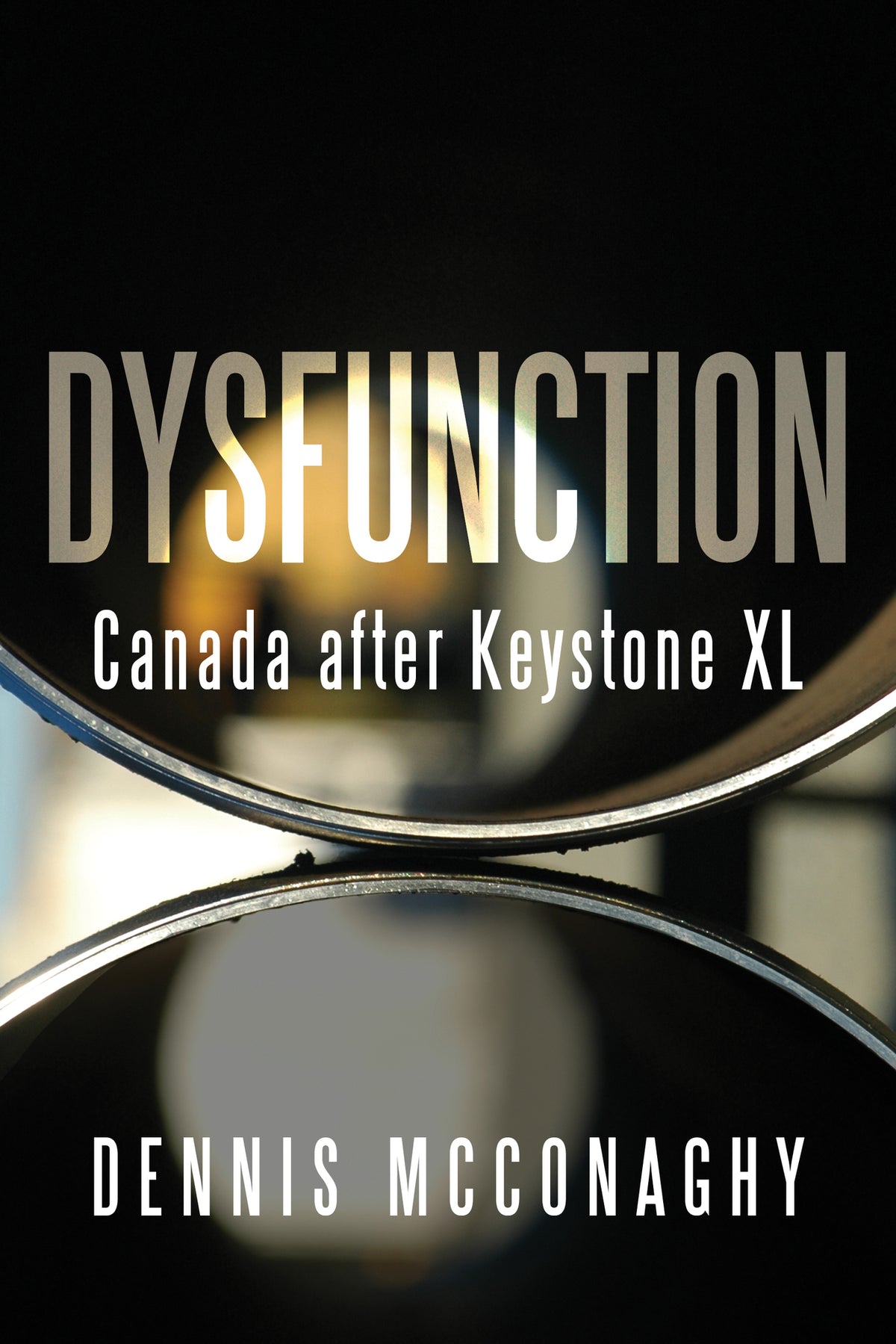
An investigation of the history and demise of the most controversial North American energy infrastructure project.
In 2015, President Barack Obama denied approval for TransCanada’s Keystone XL pipeline, which would have carried crude oil from the Canadian oil sands to the U.S. Gulf Coast, providing great economic benefit to Canada. Over seven years of regulatory process, environmental activism, and media attention, the project had become infamous, a cause célèbre for North America’s ENGO movement and a test of Obama’s bona fides in the face of global climate change risk.
As one of TransCanada’s senior executive group, Dennis McConaghy provides an insider’s perspective of Keystone XL’s history and demise. How did this routine infrastructure acquire iconic status? Why couldn’t government and industry find some accommodation to salvage the project? And most importantly, what must Canada learn from Keystone XL’s demise? Can the country find common ground between economic value and credible carbon policy?
An investigation of the history and demise of the most controversial North American energy infrastructure project.
In 2015, President Barack Obama denied approval for TransCanada’s Keystone XL pipeline, which would have carried crude oil from the Canadian oil sands to the U.S. Gulf Coast, providing great economic benefit to Canada. Over seven years of regulatory process, environmental activism, and media attention, the project had become infamous, a cause célèbre for North America’s ENGO movement and a test of Obama’s bona fides in the face of global climate change risk.
As one of TransCanada’s senior executive group, Dennis McConaghy provides an insider’s perspective of Keystone XL’s history and demise. How did this routine infrastructure acquire iconic status? Why couldn’t government and industry find some accommodation to salvage the project? And most importantly, what must Canada learn from Keystone XL’s demise? Can the country find common ground between economic value and credible carbon policy?

Price: $24.99
Pages: 232
Publisher: Dundurn Press
Imprint: Dundurn Press
Publication Date:
February 14, 2017
Trim Size: 9.00 X 6.00 in
ISBN: 9781459738195
Format: Paperback
BISACs:
BUSINESS & ECONOMICS / Industries / Energy, Energy industries & utilities, BUSINESS & ECONOMICS / Infrastructure, BUSINESS & ECONOMICS / Industries / Natural Resource Extraction, Fossil fuel technologies

While many will find the policy prescriptions offered by McConaghy contentious and difficult, his book presents an unparalleled opportunity to view the denouement of the Keystone XL pipeline from inside the executive suite of TransCanada.
...a fascinating read about the Keystone XL saga from an insider's perspective. Whether one agrees or not with his policy conclusions, the book is a tour de force in explaining dysfunctional policy decision-making that has led to the undermining of regulatory processes for resource projects in North America. Surely, we can do better.
Dysfunction offers a courageous, insider perspective on the political theatre in the United States that led to the rejection of Keystone XL and a path forward for Canada’s similarly challenged, yet vital, proposed bitumen pipelines. It’s a must read for those wishing to understand the complexities of Canada’s oil sands industry, why it needs pipelines, and why the dysfunction that has prevailed needs to be addressed urgently and fairly by Canada’s political leadership.
Dennis McConaghy writes compellingly about the series of errors by corporate executives and politicians alike that led to the eventual rejection of the Keystone XL pipeline. Ultimately, Canada failed to achieve its economic interests because it failed to account for environmental interests. McConaghy suggests a better approach would be to implement an effective climate policy, based on a carbon tax, in exchange for an explicit commitment to market access. Many will question whether this trade off is workable or even desirable, but as Dysfunction documents, the failure of the status quo is beyond doubt.
There’s plenty of valuable insight in a new book on the Keystone XL pipeline’s death
A blow-by-blow account of the obstacles Calgary-based TransCanada faced and overcame as it sought approval for the 1,900-kilometre line that McConaghy argues would be the safest ever built in North America.
...a fascinating read about the Keystone XL saga from an insider's perspective. Whether one agrees or not with his policy conclusions, the book is a tour de force in explaining dysfunctional policy decision-making that has led to the undermining of regulatory processes for resource projects in North America. Surely, we can do better.
Dysfunction offers a courageous, insider perspective on the political theatre in the United States that led to the rejection of Keystone XL and a path forward for Canada’s similarly challenged, yet vital, proposed bitumen pipelines. It’s a must read for those wishing to understand the complexities of Canada’s oil sands industry, why it needs pipelines, and why the dysfunction that has prevailed needs to be addressed urgently and fairly by Canada’s political leadership.
Dennis McConaghy writes compellingly about the series of errors by corporate executives and politicians alike that led to the eventual rejection of the Keystone XL pipeline. Ultimately, Canada failed to achieve its economic interests because it failed to account for environmental interests. McConaghy suggests a better approach would be to implement an effective climate policy, based on a carbon tax, in exchange for an explicit commitment to market access. Many will question whether this trade off is workable or even desirable, but as Dysfunction documents, the failure of the status quo is beyond doubt.
There’s plenty of valuable insight in a new book on the Keystone XL pipeline’s death
A blow-by-blow account of the obstacles Calgary-based TransCanada faced and overcame as it sought approval for the 1,900-kilometre line that McConaghy argues would be the safest ever built in North America.
Dennis McConaghy is a Canadian energy executive with nearly forty years of industry experience in infrastructure development. As one of the senior executives of TransCanada Pipelines, he was directly involved in conceiving and executing the Keystone XL pipeline project. He lives in Calgary.