


Some error occured while loading the Quick View. Please close the Quick View and try reloading the page.
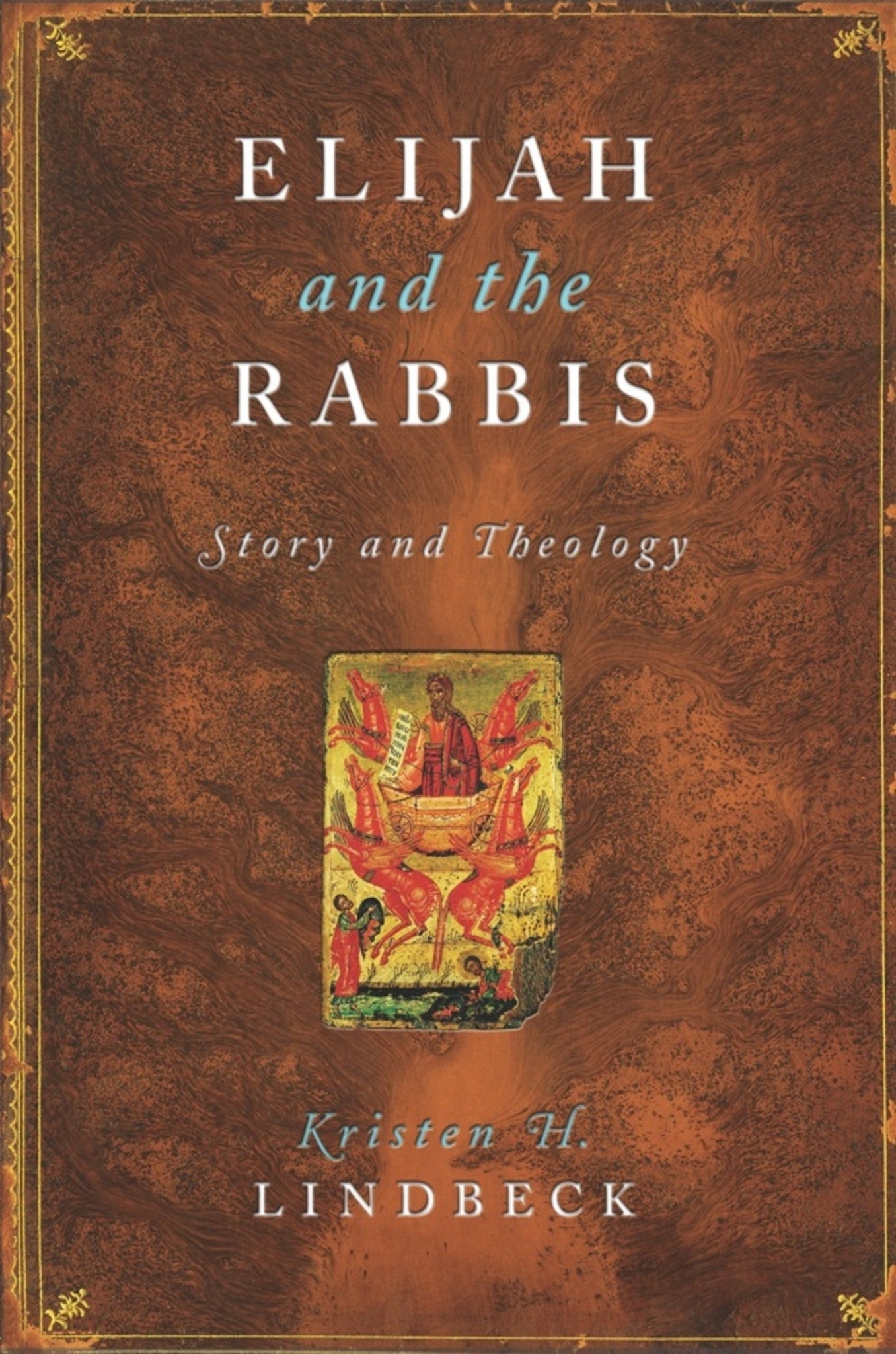
Through an innovative synthesis of narrative critique, oral-formulaic study, folkloric research, and literary analysis, Kristen H. Lindbeck reads all the Elijah narratives in the Babylonian Talmud and details the rise of a distinct, quasi-angelic figure who takes pleasure in ordinary interaction.
During the Talmudic period of 50-500 C.E., Elijah developed into a recognizable character quite different from the Elijah of the Bible. The Elijah of the Talmud dispenses wisdom, advice, and, like the Elijah of Jewish folklore, helps people directly, even with material gifts. Lindbeck highlights particular features of the Elijah stories, allowing them to be grouped into generic categories and considered alongside Rabbinic literary motifs and non-Jewish traditions of late antiquity. She compares Elijah in the Babylonian Talmud to a range of charactersangels, rabbis, wonder-workers, the angel of death, Christian saints, and even the Greek god Hermes. She concludes with a survey of Elijah's diverse roles from medieval times to today, throwing into brilliant relief the complex relationship between ancient Elijah traditions and later folktales and liturgy that show Elijah bringing benefits and blessings, appearing at circumcisions and Passover, and visiting households after the Sabbath.


Preface
Acknowledgments
1. The Study of Rabbinic Narrative: Elijah, Folklore Studies, and Form Criticism
2. Oral-Formulaic Studies and the Culture of the Bavli
3. Elijah in Rabbinic Culture and the Wider Culture of Late Antiquity
4. The Three Generic Groups of Elijah Stories
5. Elijah from Rabbinic Times to the Twenty-First Century
Appendix: The Elijah Stories of the Bavli with Translations and Significant Variant Readings
Notes
Bibliography
Index