


Some error occured while loading the Quick View. Please close the Quick View and try reloading the page.
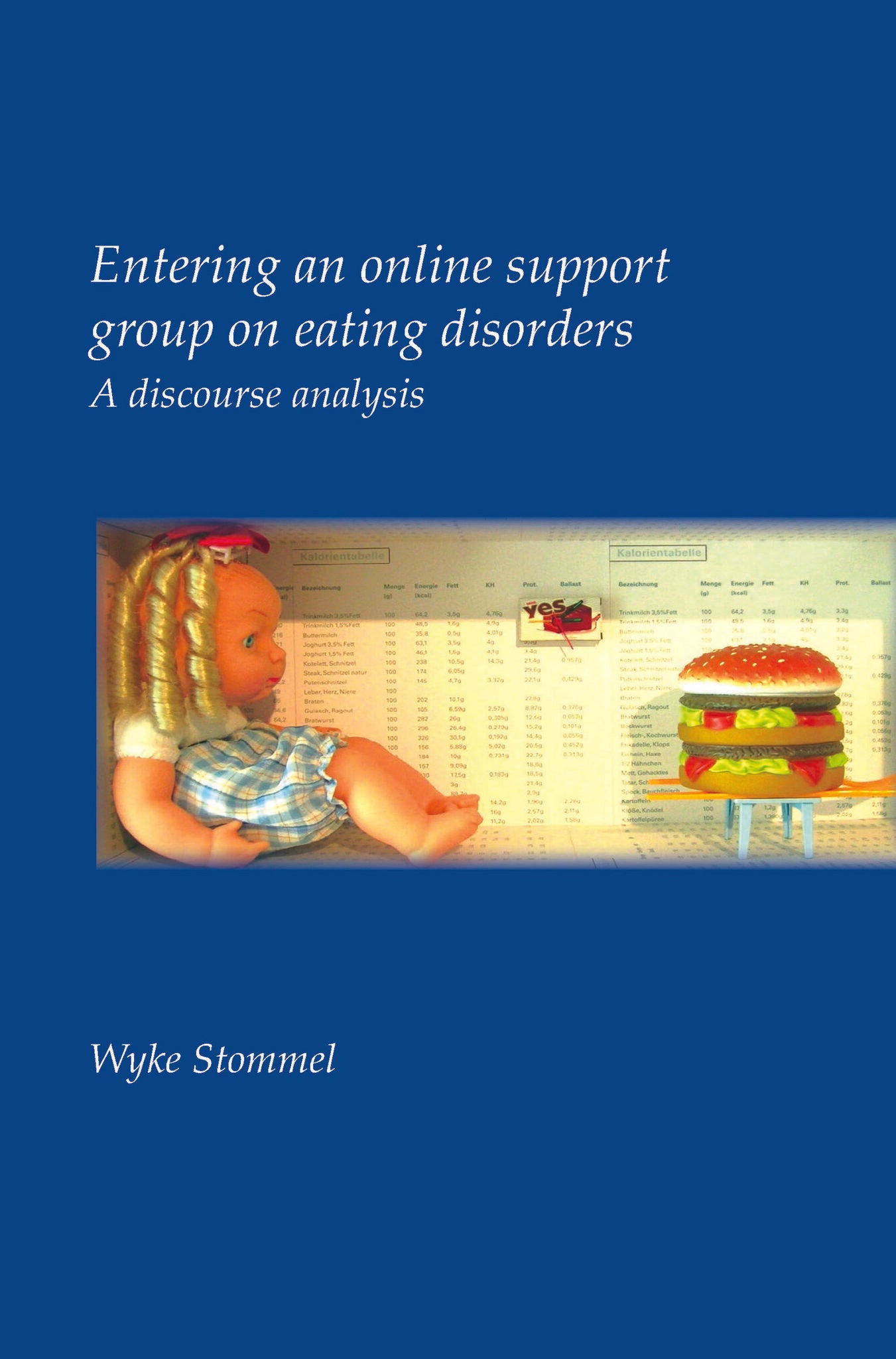
Online support groups are considered highly valuable in addition to traditional health care services, but we know very little about how people actually join such a group. This book offers a microanalysis of an online support group on eating disorders, specifically the communication through textual messages between newcomers and regular members and members’ nicknames. The study uses an ethnomethodological and conversation analytical approach to show that members of online support groups treat the group as a community in which their illness-identity is highly relevant. It appears that members invoke community norms regarding legitimacy for newcomers: Newcomers are expected to admit that they are ill, but this is a very difficult step for those who have not yet fully adopted the “sick role” (Parsons, 1951). In the field of eating disorders, it is particularly difficult for people that tend to pro-ana, i.e. the glamorization of eating disorders. The insecurity and anxiety that newcomers display as they enter the online group could probably be relieved when a special entry subforum would be installed in which they can take time and space to actually recognize that they are ill.

Price: $119.00
Pages: 286
Publisher: Brill
Imprint: Brill
Publication Date:
01 January 2009
ISBN: 9789042026605
Format: Paperback

”This study opens a compelling discussion on the negotiation of health, illness and disease within the online community and should ignite further debate surrounding the power of the peer to define and ascribe illness status.” in: Sociology of Health and Illness