


Some error occured while loading the Quick View. Please close the Quick View and try reloading the page.
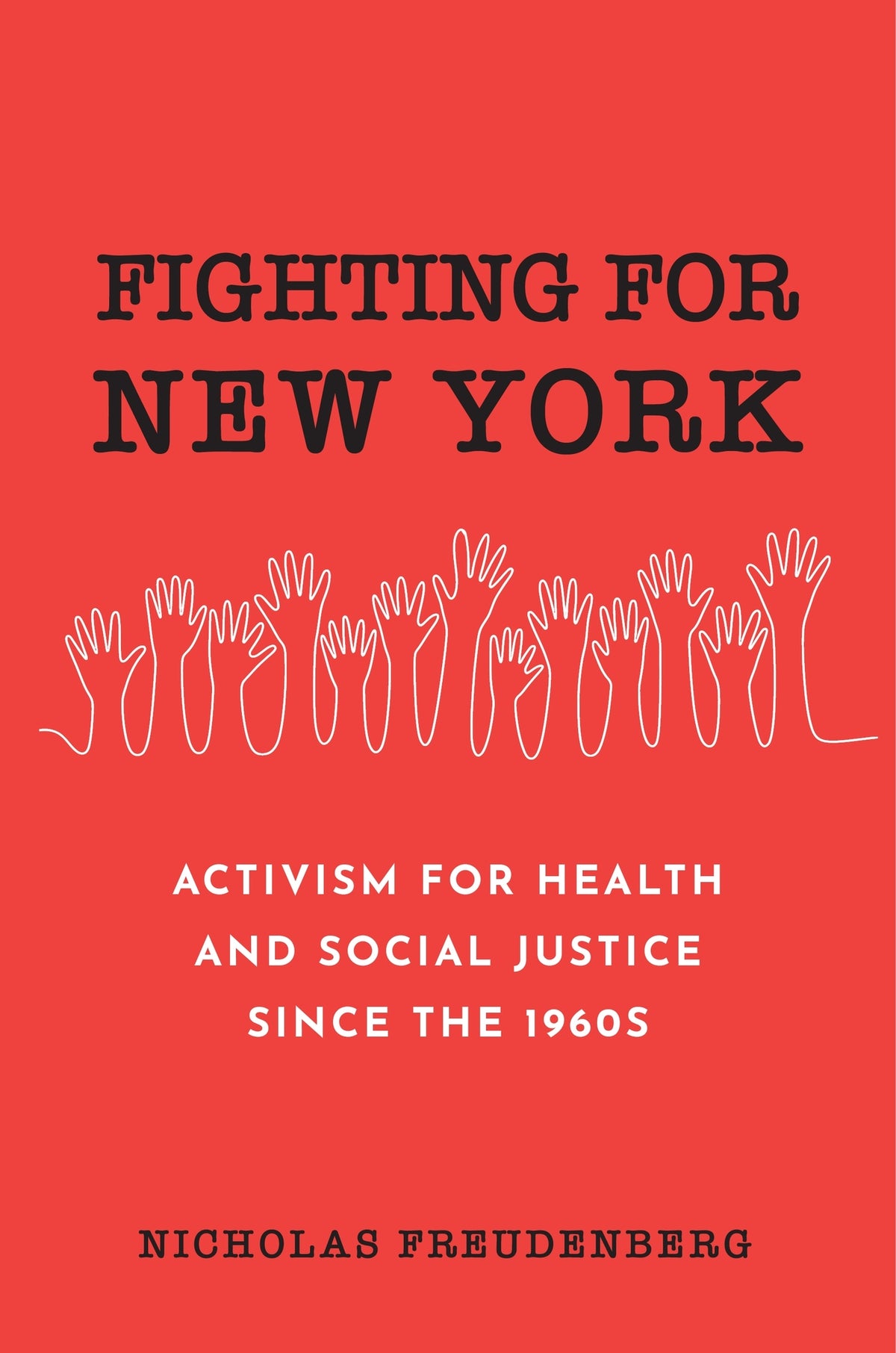
What would New York City look like without the hard-won victories of social movements? From the Young Lords campaigns to prevent lead poisoning and tuberculosis in the late 1960s to ACT UP’s fight for people affected by AIDS in the early 1990s through Housing Justice for All’s recent advocacy for tenants, generations of activists have struggled to make the city a healthier and more equal place for all.
Fighting for New York is a pragmatic account of health-focused social movements over the past several decades. Nicholas Freudenberg—a longtime public health professional, researcher, and activist—examines a variety of cases, from campaigns for reproductive rights, environmental justice, and free school lunch to the Close Rikers Island and Fight for $15 movements. He analyzes how activist leaders, members, and organizations approach injustices, build coalitions, frame their messages, and define success, considering which strategies worked and which failed to achieve their goals.
Fighting for New York synthesizes the lessons of these campaigns into practical guidance for the activists, health professionals, and policy makers of today and tomorrow, suggesting specific strategies gleaned from decades of experience. Highlighting the voices of activists, this book is a riveting account of struggles to improve living conditions and uphold human dignity.


— Lance Gould
Nicholas Freudenberg brings a lifetime of scholarship and activism to his panoramic account of movements in New York for better health and living conditions. Out of this rich history, he draws valuable lessons for those fighting now for higher health standards for all.
— Joshua B. Freeman, author of Working-Class New York: Life and Labor Since World War II
A roadmap for health activists, Fighting for New York illustrates each step needed for successful advocacy through campaigns conducted by a wide range of city-based community organizations since the 1960s. These stories should inspire any reader to join the movement to make health justice a reality.
— Marion Nestle, author of What to Eat Now: The Indispensable Guide to Good Food, How to Find It, and Why It Matters
A fascinating and important account of the under-appreciated role that activists play in changing policies and institutions. Politicians and journalists think of activists as pests; in fact they're in the forefront of keeping the pests at bay!
— Bill McKibben, author of Here Comes the Sun: A Last Chance for the Climate and a Fresh Chance for Civilization
This is an absolutely marvelous book that will be so useful for all activists, both those new to activism and advocacy as well as those working for social, political, economic, environmental and reproductive justice over many decades. Nick does a terrific job of weaving together all these stories and creating an inspirational playbook for all of us struggling for a more just society.
— Judy Norsigian, cofounder, Our Bodies Ourselves
Preface
1. Frameworks for Investigating Activism for Health and Social Justice in New York City
2. How New York City’s Politics and Economy Shape Activism
3. How Activists Define the Problem
4. How Activists Decide to Take on the Problem They Identify
5. How Activists Engage People in Their Campaigns
6. How Activists Choose Strategies and Tactics
7. How Activists Forge Relationships with Allies and Opponents
8. How Activist Campaigns Interact with Local, National, and Global Movements
9. How Activists Evaluate Their Work
10. What Next? Translating Lessons from Sixty Years of Health Activism in New York City Into Practice
Acknowledgments
Notes
Index