


Some error occured while loading the Quick View. Please close the Quick View and try reloading the page.
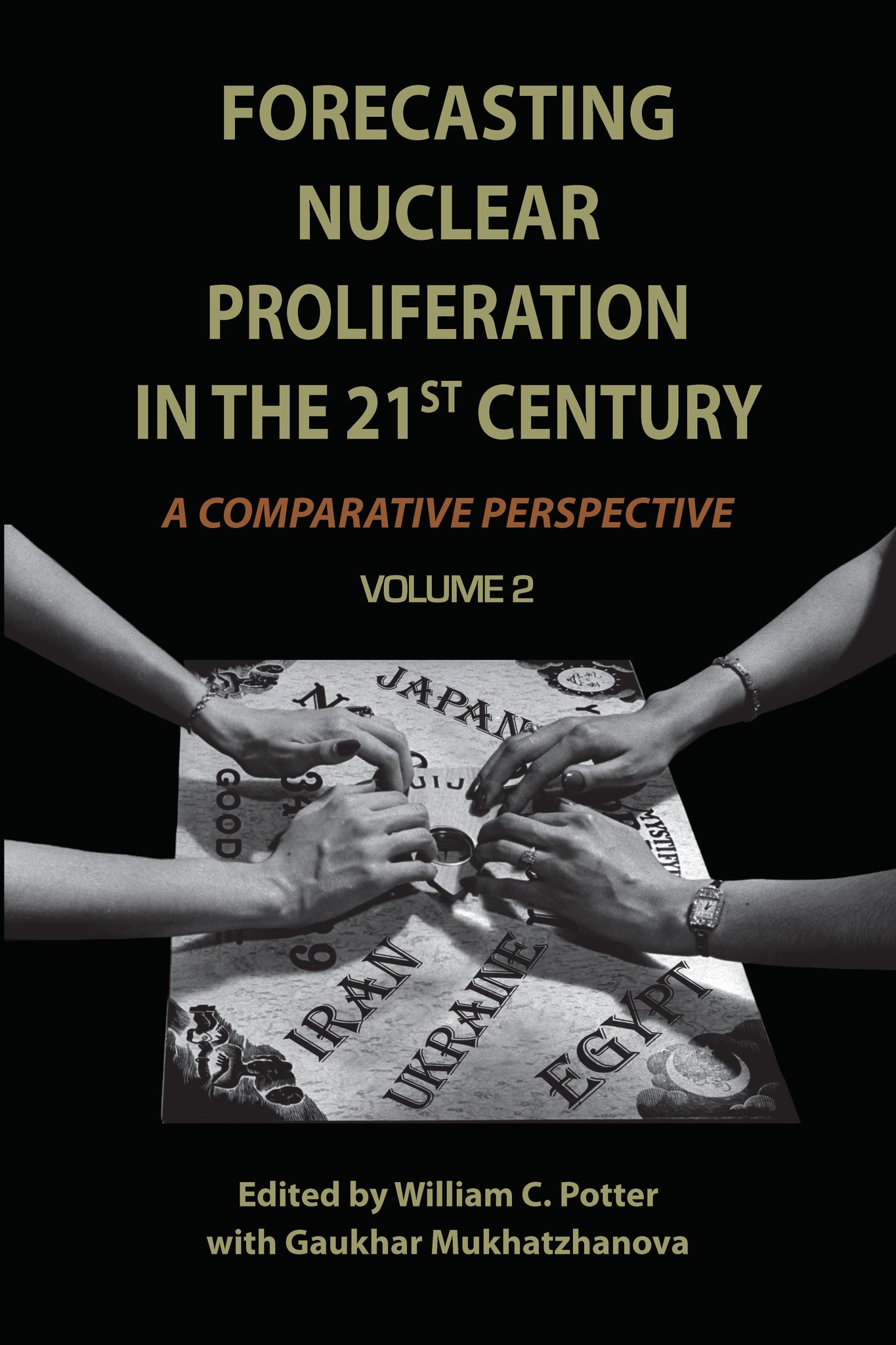
This volume provides the most comprehensive and authoritative projections of nuclear proliferation over the next decade and offers a range of practical nonproliferation measures.
The authors address a set of overarching questions regarding the propensity of selected states from different regions of the world to "go nuclear," the sources of national decisions to do so, and the potential for one state's proliferation behavior to impact on that of other states. In addition, authors address the most effective policy tools available for impeding nuclear weapons spread. Although this volume is not the first effort to look systematically and comparatively at nuclear decision-making, it is unique in its combination of future orientation, comparative perspective, and emphasis on harnessing the insights from social science theory and country case studies to aid policy makers in forecasting nuclear proliferation developments.


"This impressive—nearly 800 pages—collective study aims at taking a fresh look at the causes of nuclear proliferation, with the goal of enhancing the ability of analysts and policymakers to forecast its future and improve its prevention. It effectively combines quantitative and qualitative approaches, and includes a systematic review of the literature, from the early studies of proliferation dynamics of the 1960s to the latest statistical analyses of the past decade, as well as a range of case studies that goes beyond the 'usual suspects' to include Australia, Ukraine and Yugoslavia."—Bruno Tertrais, Survival
"This volume contains 12 case studies and offers many insights into the decision-making processes in the countries studied. It will be invaluable to those interested in proliferation analysis, and to students and researchers."—T.V. Paul, James McGill Professor of International Relations, McGill University