


Some error occured while loading the Quick View. Please close the Quick View and try reloading the page.
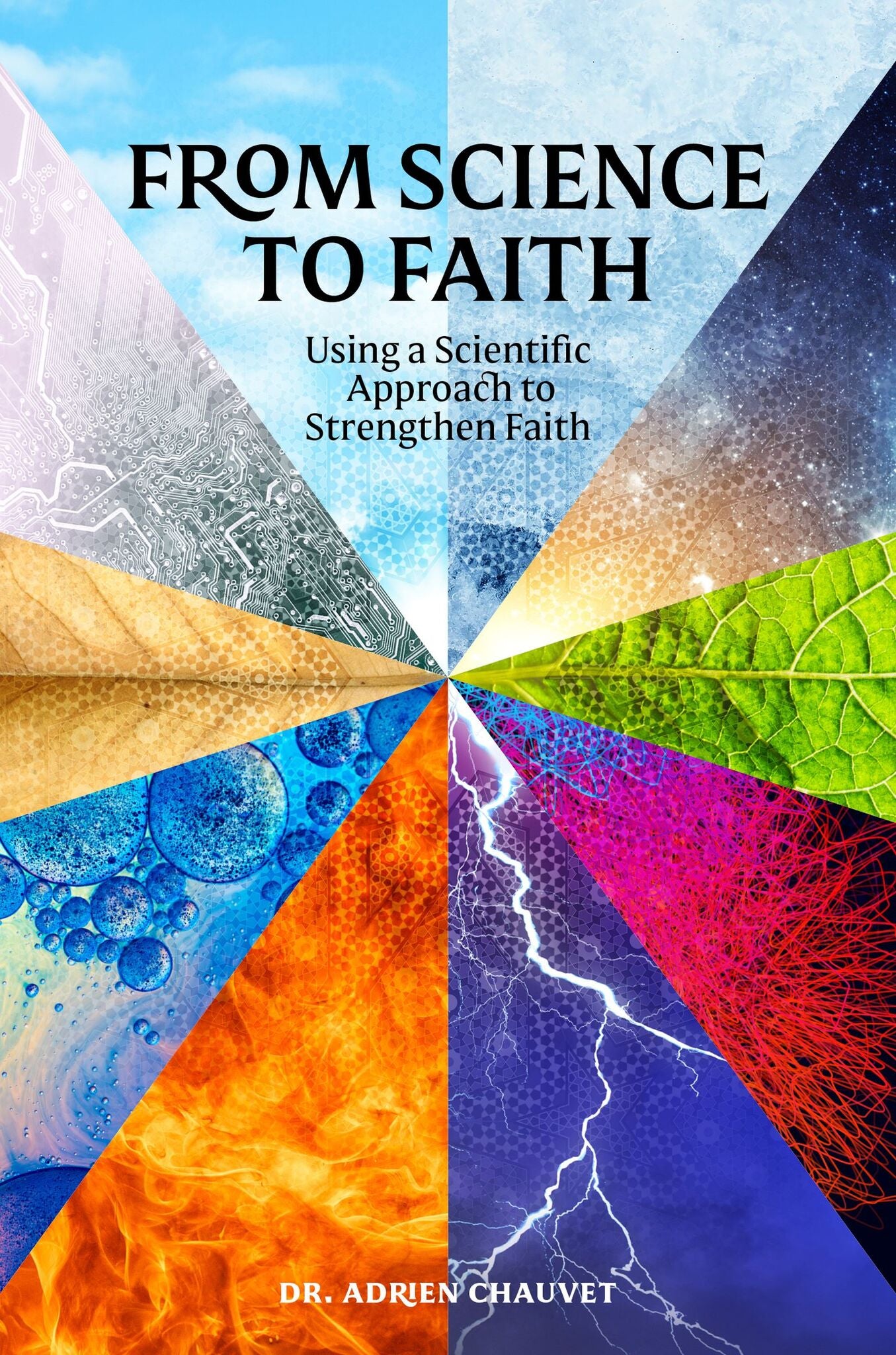
Despite religion and science being an obvious study they are usually presented at odds with one another. This book urges the reader to think with science in order to rationalise faith, rather than the other way around.
Born Christian, a convert to Islam, the author started this journey of writing in a pursuit to find the meaning of this world as well as inner peace. Upon his extensive research, his academic background aided him in validating his spiritual quest. This book depicts a beautiful spiritual journey all the while marvelling at scientific facts.


The author impressively speaks from a vast scientific culture as well as a rigorous approach of the Islamic tradition. Accordingly, the author avoids falling prey to either scientific or religious dogma, precluding dialogue between two paradigms that are unfortunately seen as diametrically opposed to one another.
This book, punctuated with summaries that help the reader follow the argument, takes the reader on a journey across various themes such as the weather, electrons, waves, photosynthesis and the origin of life. But beyond scientific themes, it also addresses metaphysical themes such as freewill, predestination, good and evil, success and failure, renunciation and engagement. The author courageously tackles the question of evolution.
Hani Ramadan
Director of the Islamic Centre of Geneva
Introduction 5
I. The first steps in my spiritual quest 8
1. Looking beyond materiality. 8
2. Being aware of the circles of influence. 8
3. Realizing that trust is necessary. 9
4. Making rational choices. 10
5. Walking with harmony. 10
6. Chapter summary 10
II. Re-evaluating faith in science 12
1. The fringes of our perception 12
a) At the frontiers of the extreme 12
b) Subjective interpretation of objective results 12
c) Uncertainty principle 13
d) Section summary 13
2. Advancing despite our restrictions 14
a) Fluctuation and statistical averages 14
b) Weather forecast 14
c) The wavefunction 14
d) Section summary 15
3. Believing in the unseen. 15
a) The electron 15
b) Electromagnetic waves 15
c) Forces 16
d) Section summary 16
4. Natural argument 16
a) Complexification of life. 17
b) Unique living conditions 18
c) Photosynthesis at the origin of life 19
d) Section summary 21
5. Chapter summary 21
III. The Islamic theory 23
1. Establishment of a scientific theory 23
a) Origin 23
b) Relevance .............................................................................................................................................................................................................................................. 24
c) Utility .......................................................................................................................................................................................................................................................... 24
d) Section summary ........................................................................................................................................................................................................................ 25
2. Origin of the Islamic message ........................................................................................................................................................................................ 25
a) A historical account ................................................................................................................................................................................................................ 26
b) An honest, selfless and persistent man. .................................................................................................................................................... 27
c) Section summary ........................................................................................................................................................................................................................ 28
3. Material relevance of the Islamic texts .............................................................................................................................................................. 29
a) Between natural phenomena and Divine will .................................................................................................................................. 29
b) Nature, as described in the Qur'an .................................................................................................................................................................... 33
c) Events that defy the scientific mind. ............................................................................................................................................................ 44
d) A world view that is all encompassing ...................................................................................................................................................... 48
e) Section summary ........................................................................................................................................................................................................................ 49
4. Internal logic of the Islamic theory. ........................................................................................................................................................................ 50
a) Notions of free will and determinism. ........................................................................................................................................................ 50
b) Notions of good and evil ................................................................................................................................................................................................ 55
c) Notions of success and failure ................................................................................................................................................................................ 57
d) Section summary ........................................................................................................................................................................................................................ 59
5. A useful religion .................................................................................................................................................................................................................................. 59
a) Positivity ................................................................................................................................................................................................................................................ 60
b) Agentivity .............................................................................................................................................................................................................................................. 60
c) Efficiency .............................................................................................................................................................................................................................................. 61
d) Summary ................................................................................................................................................................................................................................................ 62
6. Chapter summary................................................................................................................................................................................................................................ 63
IV. Limits and dangers of a purely rational thought .................................................................................................................................. 64
1. Mathematics and programming as divine languages. .................................................................................................................. 64
2. At the edges of rationality: experiencing the Divine .................................................................................................................... 65
3. The use of imagination .............................................................................................................................................................................................................. 66
4. Chapter summary................................................................................................................................................................................................................................ 67
Conclusion ............................................................................................................................................................................................................................................................................ 68
Appendix: Evolution .............................................................................................................................................................................................................................................. 69
i. Supporting evidences for the theory of evolution ...................................................................................................................... 69
ii. An incomplete, thus simplistic theory. ........................................................................................................................................................ 69
iii. A theory that is evolving. ................................................................................................................................................................................................ 71
iv. What the Qur’an says .......................................................................................................................................................................................................... 72
v. Concordance with the hadîths. .............................................................................................................................................................................. 78
vi. Ending notes. .................................................................................................................................................................................................................................... 81