


Some error occured while loading the Quick View. Please close the Quick View and try reloading the page.
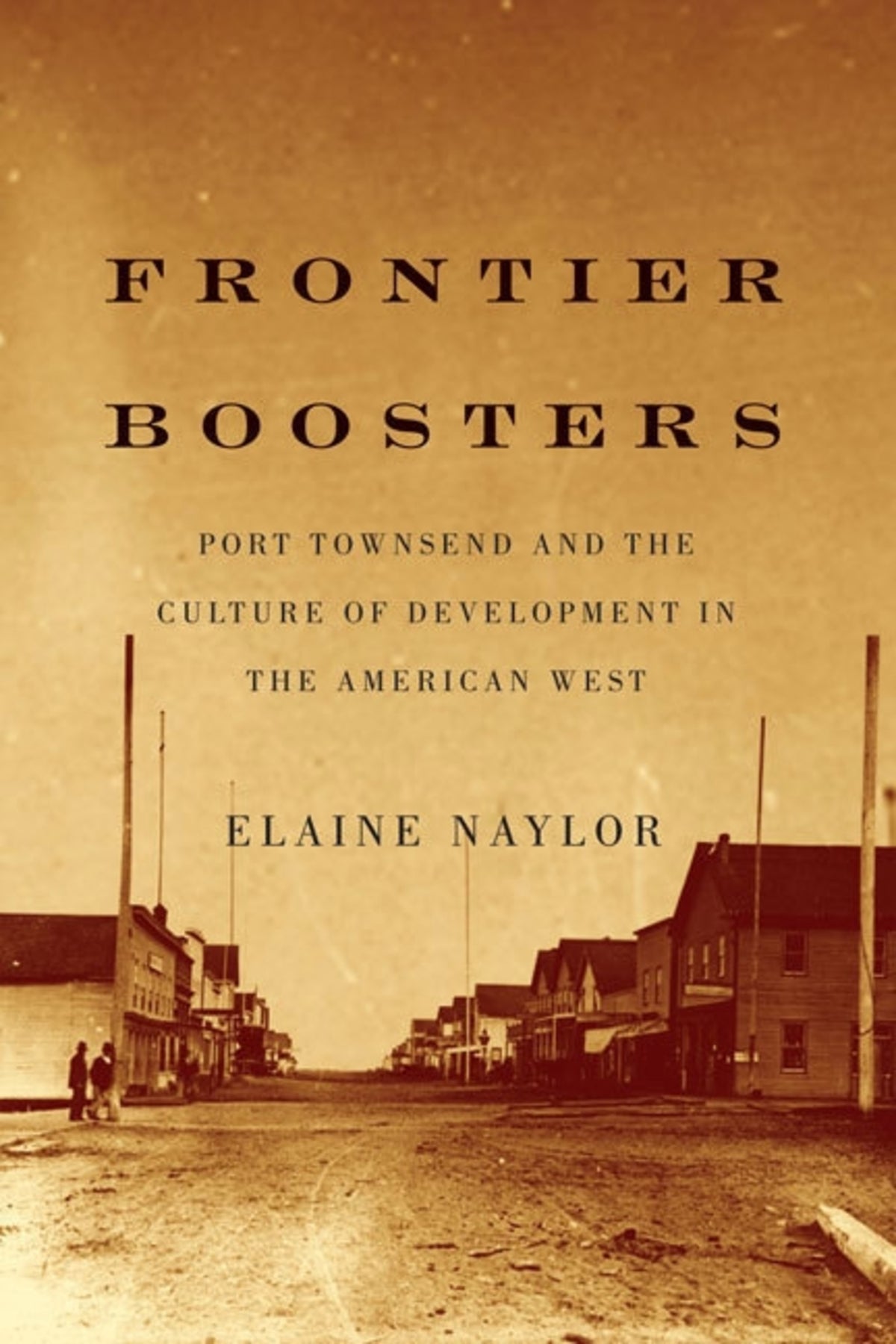
Frontier Boosters is a compelling social history of urbanization and economic development in the nineteenth-century American West. Focusing on Port Townsend, Washington and the surrounding Puget Sound region, Elaine Naylor examines economic development, "boosterism," and the dynamics of class and race in frontier settlement.
In the late-nineteenth century, Seattle had not yet fully emerged as the premier city of the Pacific Northwest, and the residents of Port Townsend had every reason to imagine their town - located at the entrance to Puget Sound, the waterway for the timber resources that drove Washington's frontier economy - as the region's burgeoning metropolis. Naylor argues that the promotion of local economic development, defined as boosterism and commonly linked with land speculators, investors, and businessmen, was in fact embraced by ordinary frontier citizens. As such a "booster" mentality became integrated into Port Townsend's social dynamics, shaping the town's class and race relations, specifically between its Euro-American, Native American, and Chinese communities.
Frontier Boosters illuminates the importance of economic development to ordinary settlers and highlights the complex interrelationship between the social dynamics of class and race within the context of the American frontier.


“Stock characters in western North American history, frontier boosters are usually relegated to the background. This engaging case study moves frontier boosters to center stage, listens afresh to what they had to say, and finds in them a new significance
“Frontier Boosters recalls John Mack Faragher’s Sugar Creek and Edward Ayers’s The Valley of the Shadow and will take its place alongside classic studies of seemingly local places in which much larger trends were in play.” Carlos Schwantes, Department of History, University of Missouri