


Some error occured while loading the Quick View. Please close the Quick View and try reloading the page.
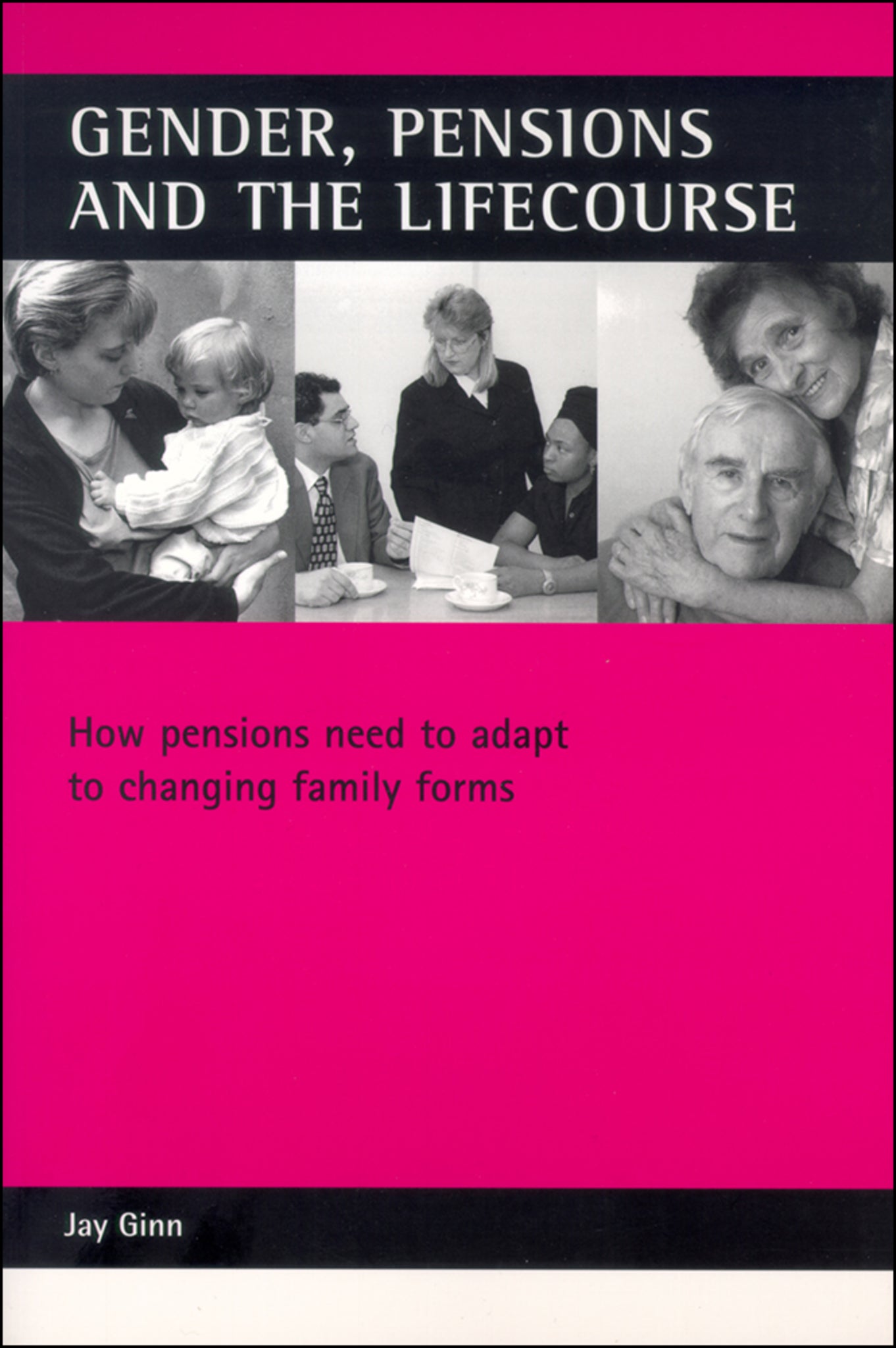
An emerging consensus sees British pension policy as unravelling. Yet the gender impact of expanding private pension provision and relying increasingly on means-testing has been largely overlooked.
This book examines key issues such as:
how pension choices over the lifecourse are structured by gender, class and ethnicity;
the impact of changing patterns of partnership and parenthood on pension building;
the distributional impact of privatising pensions;
questions about individualisation of rights, survivor benefits, a citizen's pension and means-testing;
the EU dimension - comparing alternative strategies for improving gender equity.
The book is essential reading for teachers, researchers and students in social gerontology, sociology, social policy and women's studies; practitioners in social work and welfare rights; policy makers concerned with income in later life; and all those who wish to improve their understanding of pensions issues.


"This book is for anyone who has an interest in the equity issues of pension reform, offering as it does not just a specific analysis on gender but a model for many analyses of a similar nature." Citizen's Income newsletter
"... essential reading for all who study and research in social policy, sociology, women's studies, social work and social gerontology." Ageing & Society
"Here, at last, is a book that anyone concerned with income inequality, retirement, pensions, care or gender ought to read. It is accessible, scholarly and packed with recent research data. Jay Ginn has produced the definitive text on gender and pensions and it will undoubtedly soon be required reading for policy makers, students and researchers. The implications of her carefully presented argument go well beyond the boundaries of the title and the UK. Indeed, it is a book that has implications for everyone, but particularly every woman, in the EU who hopes, one day to retire from paid work and/or caring responsibilities and on a decent income of their own." Kirk Mann, Department of Sociology and Social Policy, University of Leeds