


Some error occured while loading the Quick View. Please close the Quick View and try reloading the page.
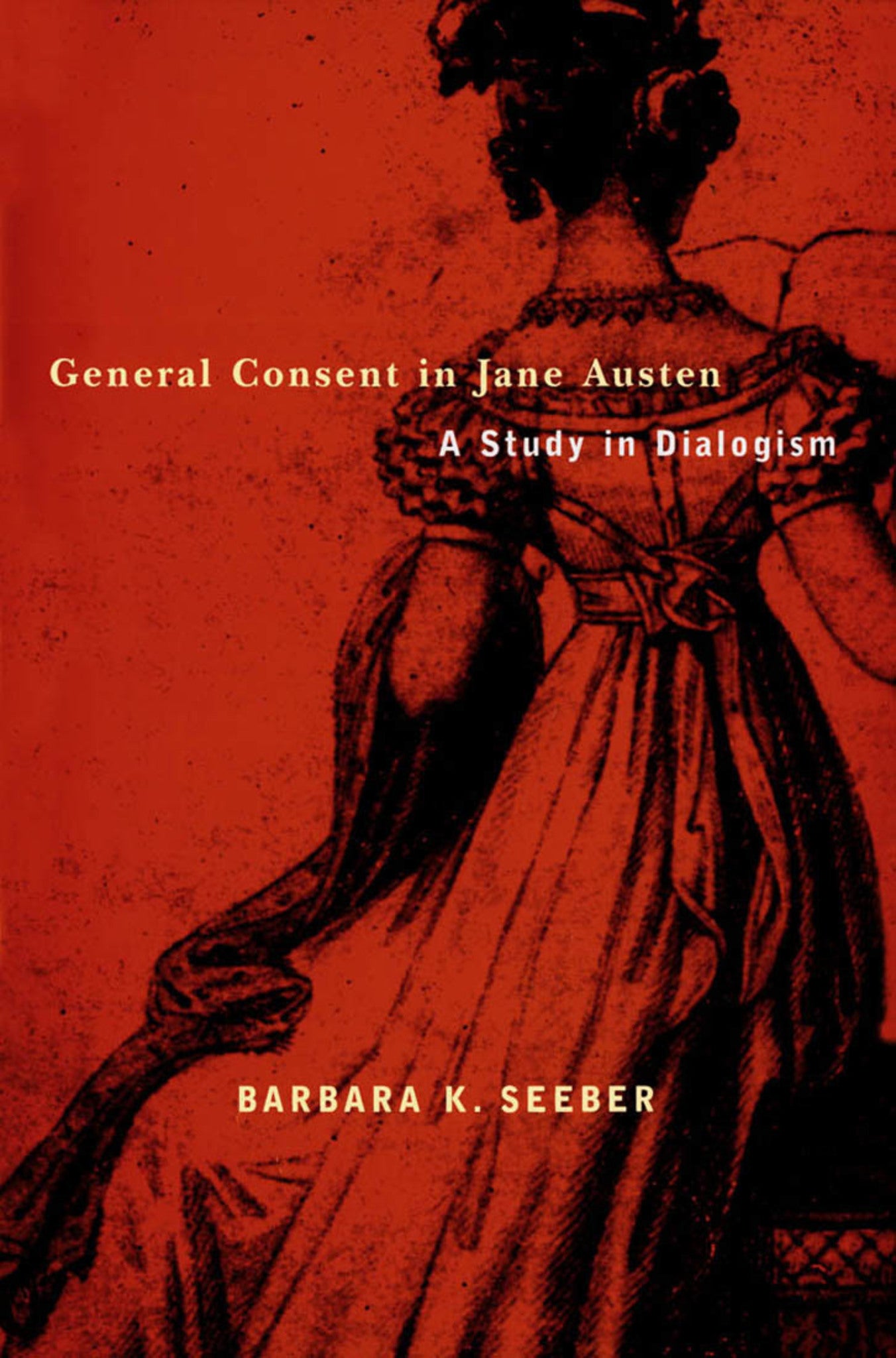


"A new and illuminating approach to Austen's novels. Barbara Seeber offers a way of reconciling the two opposing schools of Austen criticism - the traditional reading of Austen as a tough-minded conservative and the more recent interpretation of her as an implicit feminist. Seeber's work is pointed, vivid, and eloquent." Bruce Stovel, Department of English, University of Alberta
"Barbara Seeber's thoughtful adaptations of Bakhtin and Althusser afford a model for the successful integration of theoretical and practical critical responses. She offers a corrective to many of the polarized views of Austen and successfully demonstrates the potential for the kinds of genuinely innovative interpretations enabled by dialogical criticism." April London, Department of English, University of Ottawa
"A new and illuminating approach to Austen's novels. Barbara Seeber offers a way of reconciling the two opposing schools of Austen criticism - the traditional reading of Austen as a tough-minded conservative and the more recent interpretation of her as an implicit feminist. Seeber's work is pointed, vivid, and eloquent." Bruce Stovel, Department of English, University of Alberta "Barbara Seeber's thoughtful adaptations of Bakhtin and Althusser afford a model for the successful integration of theoretical and practical critical responses. She offers a corrective to many of the polarized views of Austen and successfully demonstrates the potential for the kinds of genuinely innovative interpretations enabled by dialogical criticism." April London, Department of English, University of Ottawa