


Some error occured while loading the Quick View. Please close the Quick View and try reloading the page.
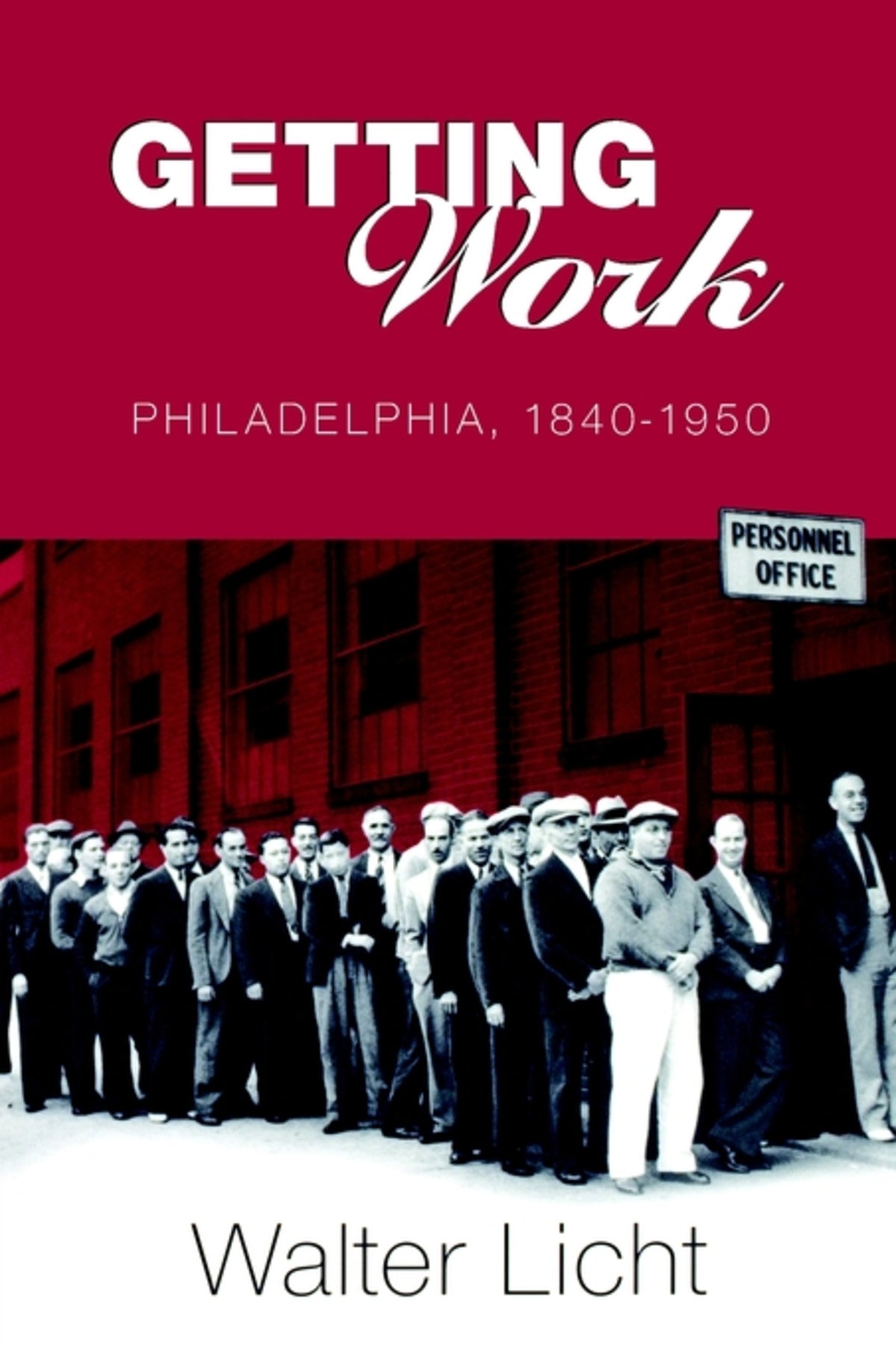
How did working people find jobs in the past? How has the process changed over time for various groups of job seekers? Are outcomes influenced more by general economic circumstances, by discriminatory practices in the labor market, or by personal initiative and competence?
To tackle these questions, Walter Licht uses intensive primary-source research—including surveys of thousands of workers conducted in the decades from the 1920s to the 1950s—on a major industrial city for a period of over one hundred years. He looks at when and how workers secured their first jobs, schools and work, apprenticeship programs, unions, the role of firms in structuring work opportunities, the state as employer and as shaper of employment conditions, and the problem of losing work. Licht also examines the disparate labor market experiences of men and women and the effects of race, ethnicity, age, and social standing on employment.


"This is the way labor history should be practiced: not a fable about good and evil, but an engagingly written, thorough examination of the mundane, yet important, day-to-day working of the labor market."
"A comprehensive treatment of how people became and remained workers in one of the nation's largest cities, and in it are lessons for today."