


Some error occured while loading the Quick View. Please close the Quick View and try reloading the page.
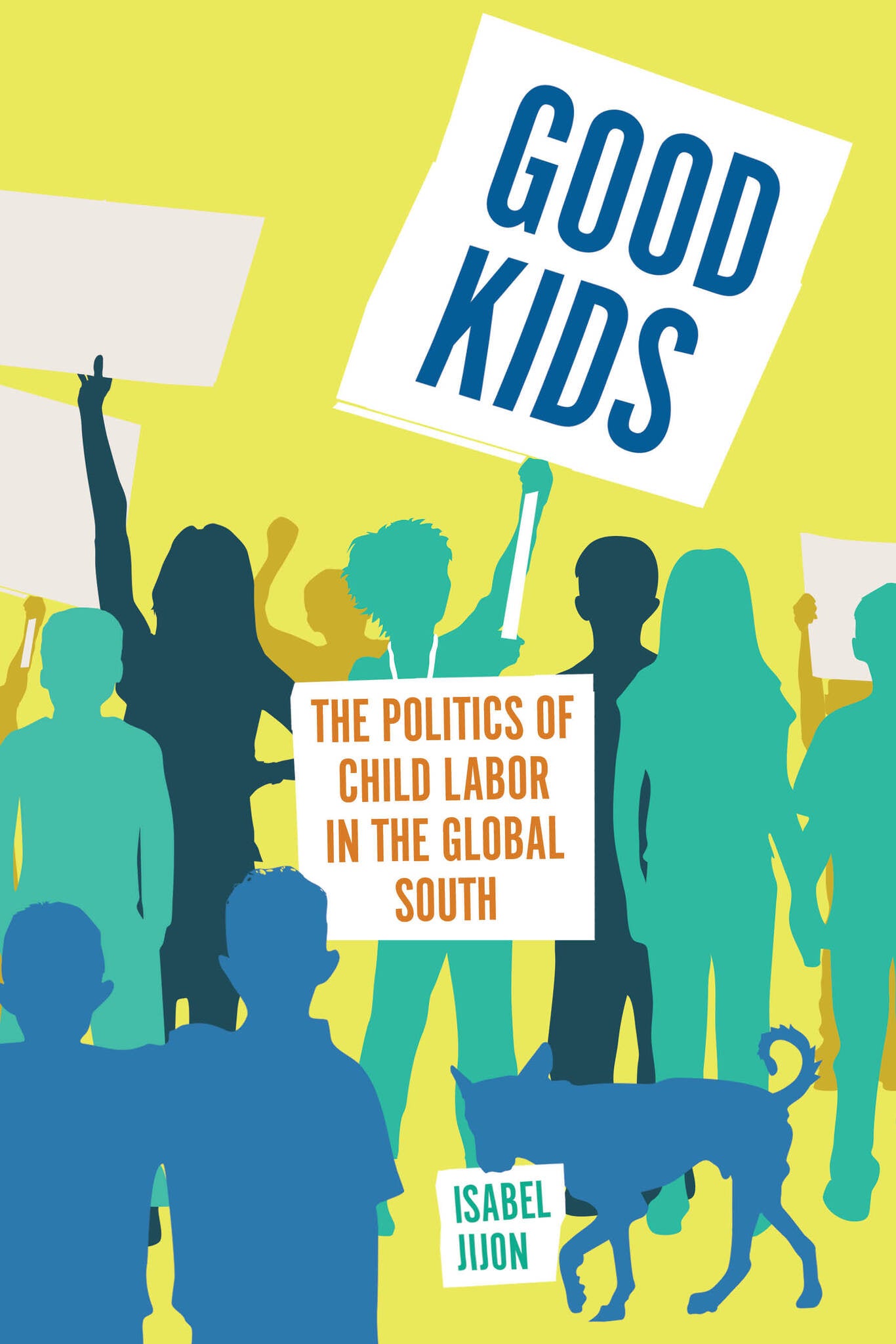
One in ten children worldwide is involved in some form of child labor. While almost half are in occupations that put their safety at risk, the other half have "gray" jobs like industrial farming or selling candy on the street. Children in these positions often defend the value of their work, and some even join social movements to demand the legalization of child labor. In Good Kids, Isabel Jijon reveals how global campaigns against child labor are often met with resistance from the very children they are meant to protect. Conducting interviews in Bolivia and Ecuador with children who defend their work, Jijon explores how children give work moral, not just economic, value. She finds that working children seek a sense of self-worth, as well as worthiness in their closest relationships; they use work to prove that they are "good sons/daughters," "good friends," or simply "good kids." Drawing, also, on interviews with reformers invested in ending child labor, Jijon produces a nuanced picture of the ways that global campaigns can, unintentionally, undermine these relationships and make working children feel stigmatized rather than protected. This fascinating and challenging study of moral meaning-making upends simple understandings of harm and worthiness in a vast but poorly understood labor market.


"With passion combined with impressive research, including poignant interviews with child workers, Isabel Jijon takes on the contentious issue of global child labor. What explains, she asks, children's frequent opposition to legislation regulating their work? While acknowledging the exploitation of child laborers, Good Kids reveals unexpected social and moral meanings of their work. The book will engage specialists in childhood, family, and economic sociology." —Viviana A. Zelizer, Professor of Sociology at Princeton University and author of Pricing the Priceless Child: The Changing Social Value of Children
"Jijon examines the international movement to restrict child labor and the responses of working children in Ecuador and Bolivia. She concludes that while international bodies valorize the dignity of working children, the children themselves, along with their adult advocates, see work in the context of familial relations.... Recommended." —M. Morrissey, CHOICE
1. Children, Child Labor, and Morally Contested Markets
2. Redrawing a Market:The Global Fight Against Child Labor
3. Promoting a Boundary:Cultural Brokers in the Global South
4. Resisting a Boundary: The Regional and National Working Children's Movements
5. Relational Work and Relational Dignity:How Children Understand Child Labor
6. Misrecognition in Morally Contested Markets:Lessons for Research and Advocacy Methodological Appendix
Notes
References
Index