


Some error occured while loading the Quick View. Please close the Quick View and try reloading the page.
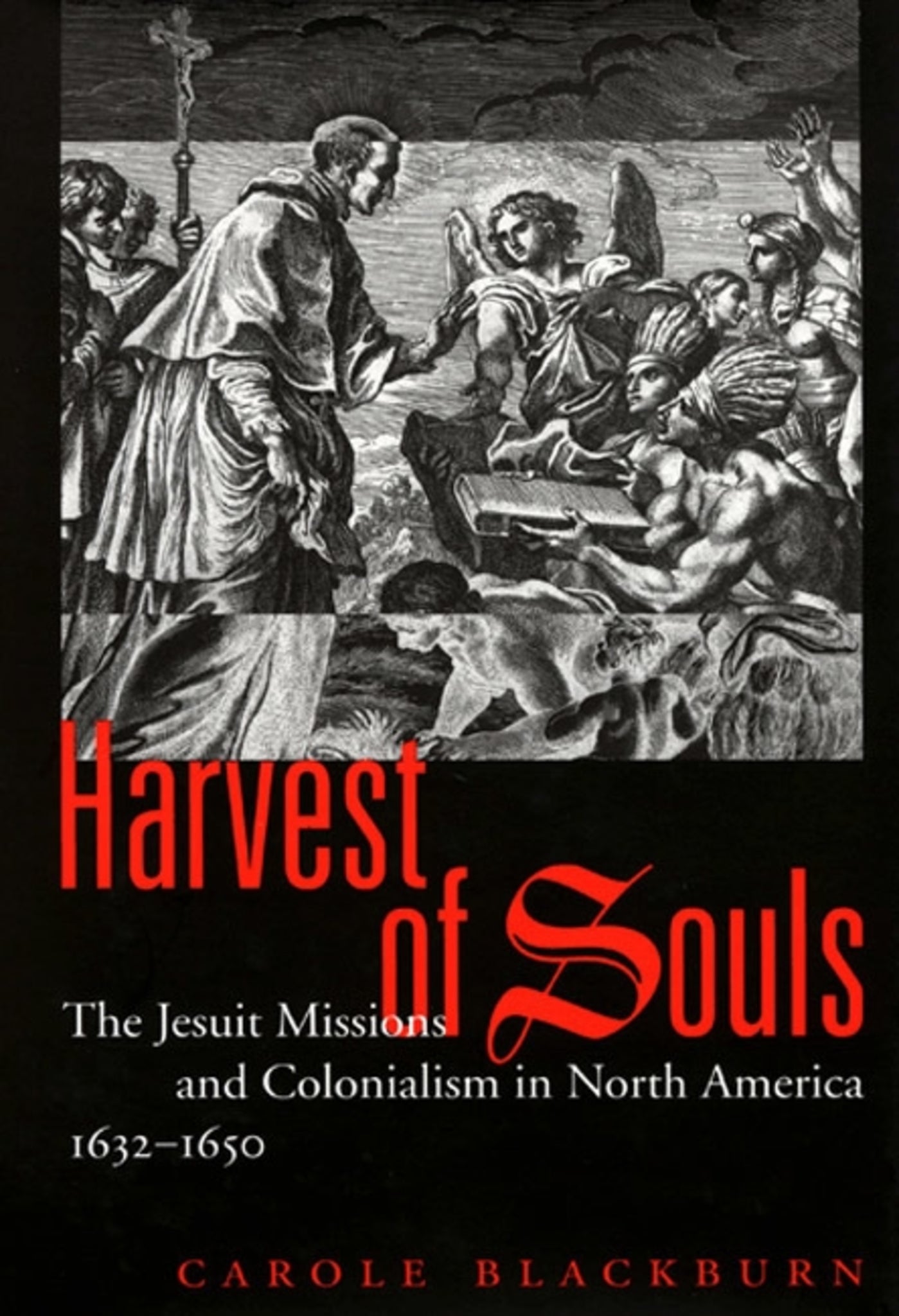
In 1632 Jesuit missionary Paul Le Jeune, newly arrived at the fort of Quebec, wrote the first of the Relations to his superior in Paris, initiating a series of biannual mission reports that came to be known as the Jesuit Relations. In Harvest of Souls Carole Blackburn presents a contemporary interpretation of the 1632-1650 Relations, arguing that they are colonizing texts in which the Jesuits use language, imagery, and forms of knowledge to legitimize relations of inequality with the Huron and Montagnais.
By combining textual analysis with an ethnographic study of the Jesuits Blackburn is able to reveal the gap between the domineering language of the Relations and the limited authority that the Jesuits were able to exercise over Native people, who actively challenged much of what the Jesuits tried to do and say. She highlights the struggle between the Jesuits and Natives over the meaning of Christianity. The Jesuits' attempted to convey their Christian message through Native languages and cultural idioms. Blackburn shows that this resulted in the displacement of much of the content of the message and demonstrates that the Native people's acts of resistance took up and transformed aspects of the Jesuits' teachings in ways that subverted their authority. Harvest of Souls is essential for all those interested in new approaches to historical and contemporary relations between Europeans and Native peoples in North America.

