


Some error occured while loading the Quick View. Please close the Quick View and try reloading the page.
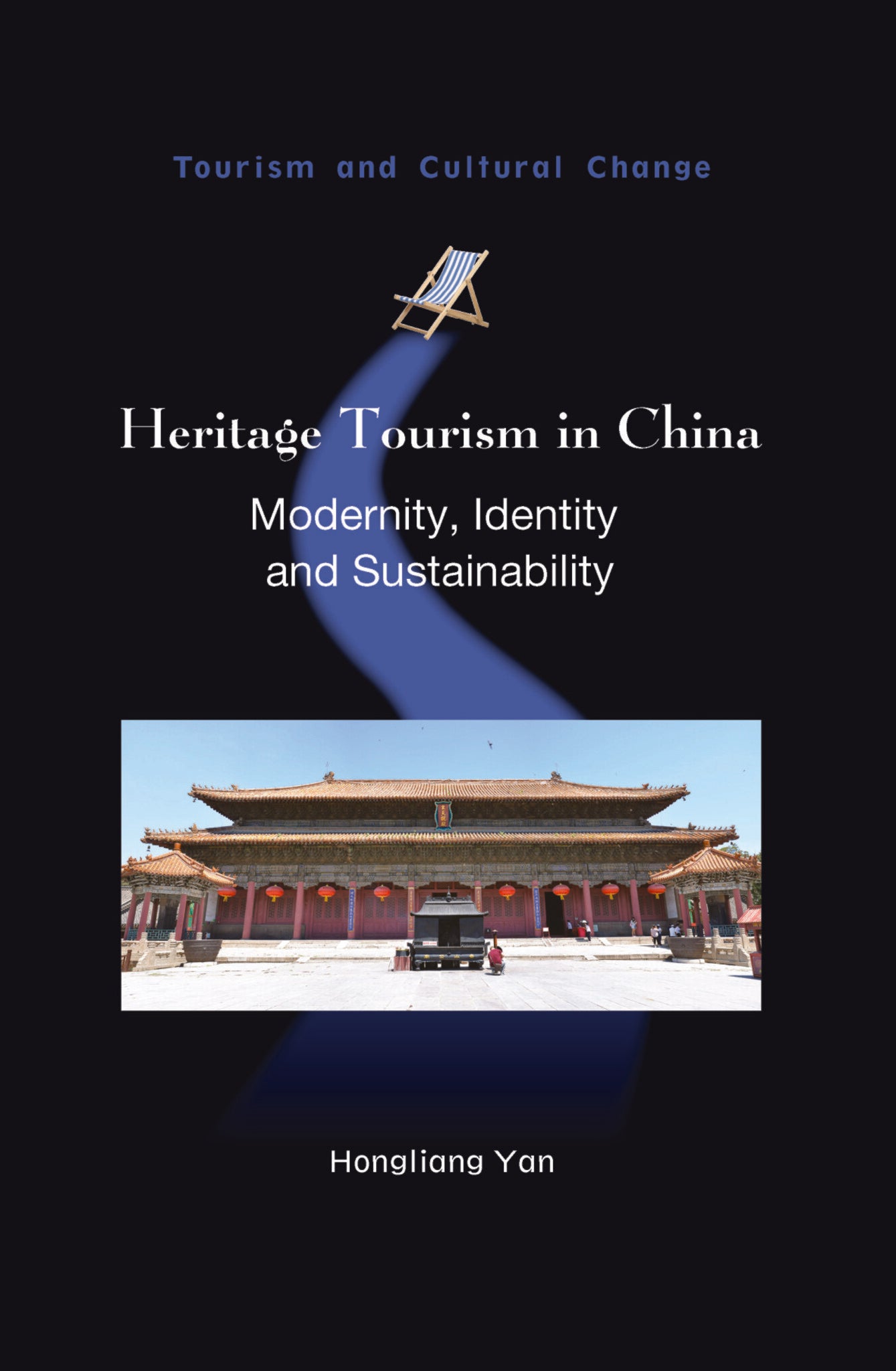
This book offers new approaches and insights into the relationships between heritage tourism and notions of modernity, identity building and sustainable development in China. It demonstrates that the role of the state, politics, institutional arrangements and tradition have a considerable impact on perceptions of these notions. The volume contributes to current debates on tradition and modernity; the study of heritage tourism; the negotiated power between stakeholders in tourism planning and policy-making and the study of China’s society. The approach and findings of the book are of value to those interested in the continuities and changes in Chinese society and to graduate students and researchers in tourism, cultural studies and China studies.


Hongliang Yan has produced a deep, historical and philosophically informed study of the development and governance of heritage tourism in China that reveals complex synergies and tensions between tradition and modernity, continuity and change. The focus and framework that underpins this excellent and important book will be of critical interest to students, policy-makers and practitioners of heritage tourism.
This is a book that goes further than any before to propose a theoretical framework backed by solid practical knowledge and experience of heritage tourism in China. A source of rich data and well-researched case studies, it is the first single-authored work to tackle this topic in a candid manner and I highly recommend it.
The book is considered a good source of academic reference, as it results from a long and rigorous research project. As such, it offers a thorough literature review of major relevant concepts, a comprehensive conceptual framework and numerous interviews with different stakeholders of the study sites. It is noteworthy that the content related to identity building, modernization, governance and planning of Chinese heritage tourism may also appeal to general public interested in Chinese heritage.
— Thi Hong Hai Nguyen, Macau University of Science and Technology, China
Hongliang Yan is a Senior Lecturer in International Tourism Management, Coventry University, UK. His research interests include sustainable tourism, heritage tourism and tourism mobilities. He has published widely and his work has appeared in leading international peer-reviewed journals and books.
List of Illustrations
Preface
Introduction
1. Tourism, Modernity and Identity Building
2. China’s Tourism and Heritage Tourism Development
3. Traditional and Political Philosophies and Heritage Tourism
4. Governance, Tourism Development and the Heritage Sites
5. Representations of Modernity through Heritage Tourism
6. Tourism, Sustainable Development and the Four Heritage Sites
7. Conclusions
References