


Some error occured while loading the Quick View. Please close the Quick View and try reloading the page.
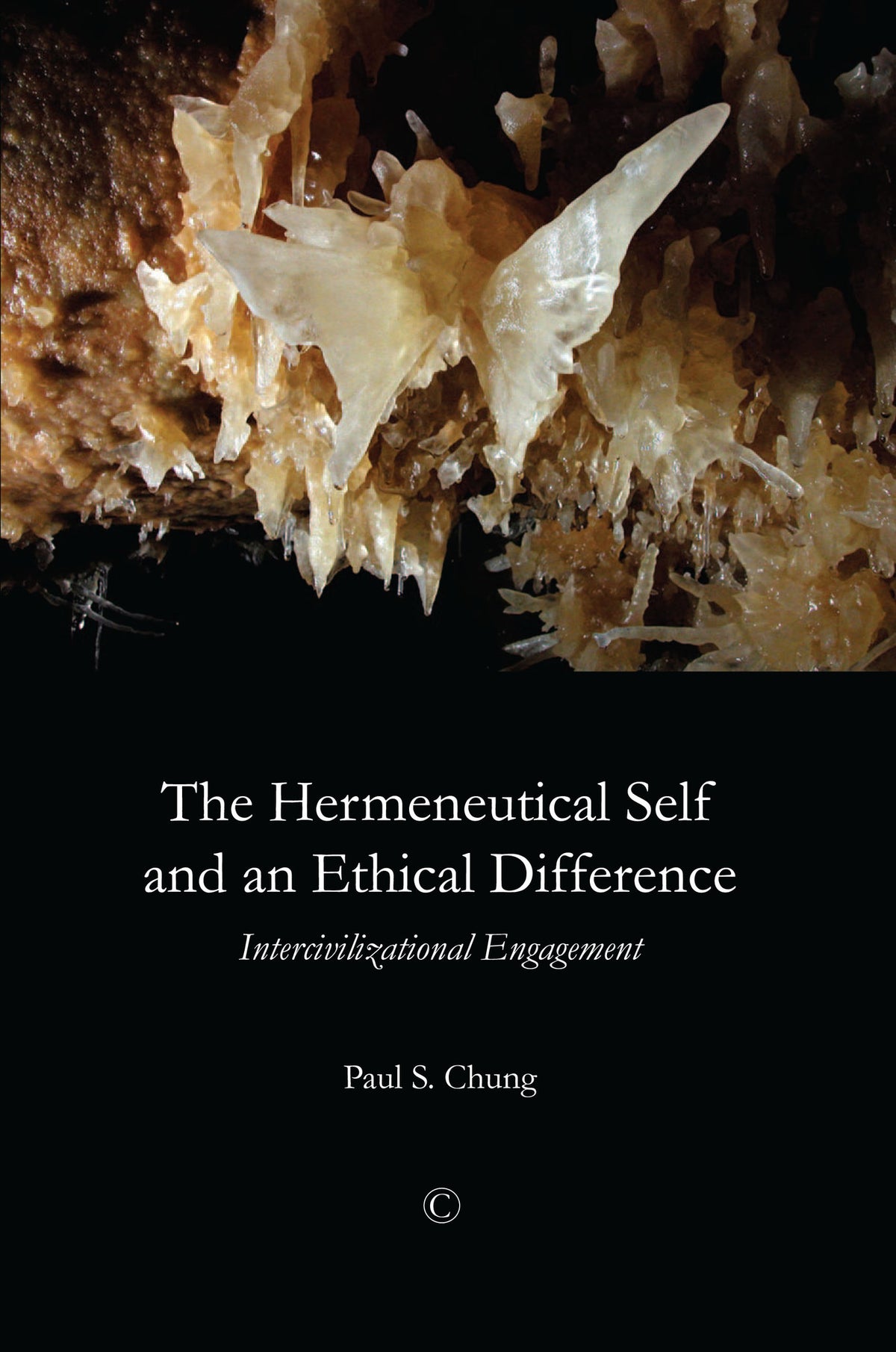
A study of inter-civilisational hermeneutics drawing on diverse classical and modern sources to construct a new hermeneutical theory for a postcolonial age.
In response to the religious and spiritual transition experienced in our modern world, Chung creates a postcolonial framework for inter-religious exchange, focussing on issues of interpretation, moral deliberation and ethical praxis. He investigates the relationship between hermeneutical theory and ethics and produces a new theory for intercivilizational dialogue, studying theological-philosophical theory of interpretation, ethics, the experience of cultural hybridity and inter-civilisational alliance, set within multiple horizons and diverse contexts.
In response to the religious and spiritual transition experienced in our modern world, Chung creates a postcolonial framework for inter-religious exchange, focussing on issues of interpretation, moral deliberation and ethical praxis. He investigates the relationship between hermeneutical theory and ethics and produces a new theory for intercivilizational dialogue, studying theological-philosophical theory of interpretation, ethics, the experience of cultural hybridity and inter-civilisational alliance, set within multiple horizons and diverse contexts.

Price: $40.95
Pages: 290
Publisher: Boydell & Brewer Inc.
Imprint: James Clarke
Publication Date:
26 July 2012
Trim Size: 9.21 X 6.14 in
ISBN: 9780227173817
Format: Paperback
BISACs:
RELIGION / Christian Theology / General, Christianity, PHILOSOPHY / Ethics & Moral Philosophy, Theology, Ethics and moral philosophy

Chung's book is an important contribution to interreligious solidarity towards compassionate justice within the context of imperial capitalism creating a dangerous crisis for human life and earth. He creatively awakens the wisdom of Confucianism and Daoism in postcolonial perspective in order to reread history from below, giving the victims of western civilization a voice and designing a new epistemology transcending the dominating reductionist rationalism. This is liberation theology at its best.
— Prof. Ulrich Duchrow, University of Heidelberg
With breadth of historical comprehension, intercivilizational insight, and synthetic judgment, Paul Chung immerses the reader in his quest to construct a usable hermeneutics for this second 'axial age' (Jaspers). We are challenged to engage in an archeological reframing of the colonial era that leads to the dismantling of the iron cage of capitalism and the privileging of subaltern perspectives toward the emergence of a postcolonial, irregular, life-enhancing ethic. Retrieving the wisdom of Confucian thought from Western stereotypes and drawing upon Western voices from Aristotle to Levinas, Aquinas to Bonhoeffer, Chung casts an imaginative vision of the theological task in our times.
— Craig L. Nessan, Wartburg Theological Seminary, Dubuque, IA
Chung is to be applauded for his development of the similarities in the hermeneutical traditions of both and his desire to put them in dialogue. [...] ...there is much to like in Chung's text... [...] ...for those wrestling with the interreligious dialogue between Christianity and Confucianism, it will be a necessary read.
— Nathan Crawford
This book will appeal to a wide range of scholarly interests and provide food for thought among those interested in hermeneutics, ethics, political theology, liberation theology, and postcolonial critiques of the Western traditions of philosophy and theology.
— Brodie McGregor, School of Divinity, University of Edinburgh
— Prof. Ulrich Duchrow, University of Heidelberg
With breadth of historical comprehension, intercivilizational insight, and synthetic judgment, Paul Chung immerses the reader in his quest to construct a usable hermeneutics for this second 'axial age' (Jaspers). We are challenged to engage in an archeological reframing of the colonial era that leads to the dismantling of the iron cage of capitalism and the privileging of subaltern perspectives toward the emergence of a postcolonial, irregular, life-enhancing ethic. Retrieving the wisdom of Confucian thought from Western stereotypes and drawing upon Western voices from Aristotle to Levinas, Aquinas to Bonhoeffer, Chung casts an imaginative vision of the theological task in our times.
— Craig L. Nessan, Wartburg Theological Seminary, Dubuque, IA
Chung is to be applauded for his development of the similarities in the hermeneutical traditions of both and his desire to put them in dialogue. [...] ...there is much to like in Chung's text... [...] ...for those wrestling with the interreligious dialogue between Christianity and Confucianism, it will be a necessary read.
— Nathan Crawford
This book will appeal to a wide range of scholarly interests and provide food for thought among those interested in hermeneutics, ethics, political theology, liberation theology, and postcolonial critiques of the Western traditions of philosophy and theology.
— Brodie McGregor, School of Divinity, University of Edinburgh
Acknowledgements
Foreword by John Berthrong
Preface
Introduction
Part I: Hermeneutical Theory and Human Experience
1. Interpretation and Experience
2. Interpretation and Life Connection
3. Phenomenology and Hermeneutics
4. Understanding and Linguistic Existence
Part II: Intercivilizational Encounters: Interpretation and Ethical Subject
5. Mediation: The Hermeneutical Self and Moral Self
6. Interpretation and Ethics of Virtue: Aristotle Revisited
7. Intercivilizational Encounters: The Mean in Confucian Ethics
8. Thomas Aquinas: Theological Virtue Ethics and Analogy
9. A Comparative Religious Study of Aquinas and Mengzi
Part III: Aftermath of Modernity: Discourse Reason and Ethics of the Other
10. Interpretation in Long Route and Social Location
11. Discourse Ethics and Communicative Rationality
12. Neo-Aristotelian Ethics and Neo-Kantian Framework
13. Aesthetics of Existence and Ethics of Alterity
Part IV: Intercivilizational Reconstruction in the Aftermath of Colonialism
14. Intercivilizational Reconstruction and Global-Critical Inquiry
15. Engaging the Cave and the Butterfly: Dialectics of Enlightenment and Neo-Confucian Self
16. Interpretation as Conflict and Creativity: Retrieval of Wang Yangming
17. Concluding Reflection: The Hermeneutical Self and an Ethical Difference
Epilogue: Interpretive Reason and Postcolonial Irregularity
Bibliography
Index
Foreword by John Berthrong
Preface
Introduction
Part I: Hermeneutical Theory and Human Experience
1. Interpretation and Experience
2. Interpretation and Life Connection
3. Phenomenology and Hermeneutics
4. Understanding and Linguistic Existence
Part II: Intercivilizational Encounters: Interpretation and Ethical Subject
5. Mediation: The Hermeneutical Self and Moral Self
6. Interpretation and Ethics of Virtue: Aristotle Revisited
7. Intercivilizational Encounters: The Mean in Confucian Ethics
8. Thomas Aquinas: Theological Virtue Ethics and Analogy
9. A Comparative Religious Study of Aquinas and Mengzi
Part III: Aftermath of Modernity: Discourse Reason and Ethics of the Other
10. Interpretation in Long Route and Social Location
11. Discourse Ethics and Communicative Rationality
12. Neo-Aristotelian Ethics and Neo-Kantian Framework
13. Aesthetics of Existence and Ethics of Alterity
Part IV: Intercivilizational Reconstruction in the Aftermath of Colonialism
14. Intercivilizational Reconstruction and Global-Critical Inquiry
15. Engaging the Cave and the Butterfly: Dialectics of Enlightenment and Neo-Confucian Self
16. Interpretation as Conflict and Creativity: Retrieval of Wang Yangming
17. Concluding Reflection: The Hermeneutical Self and an Ethical Difference
Epilogue: Interpretive Reason and Postcolonial Irregularity
Bibliography
Index