


Some error occured while loading the Quick View. Please close the Quick View and try reloading the page.
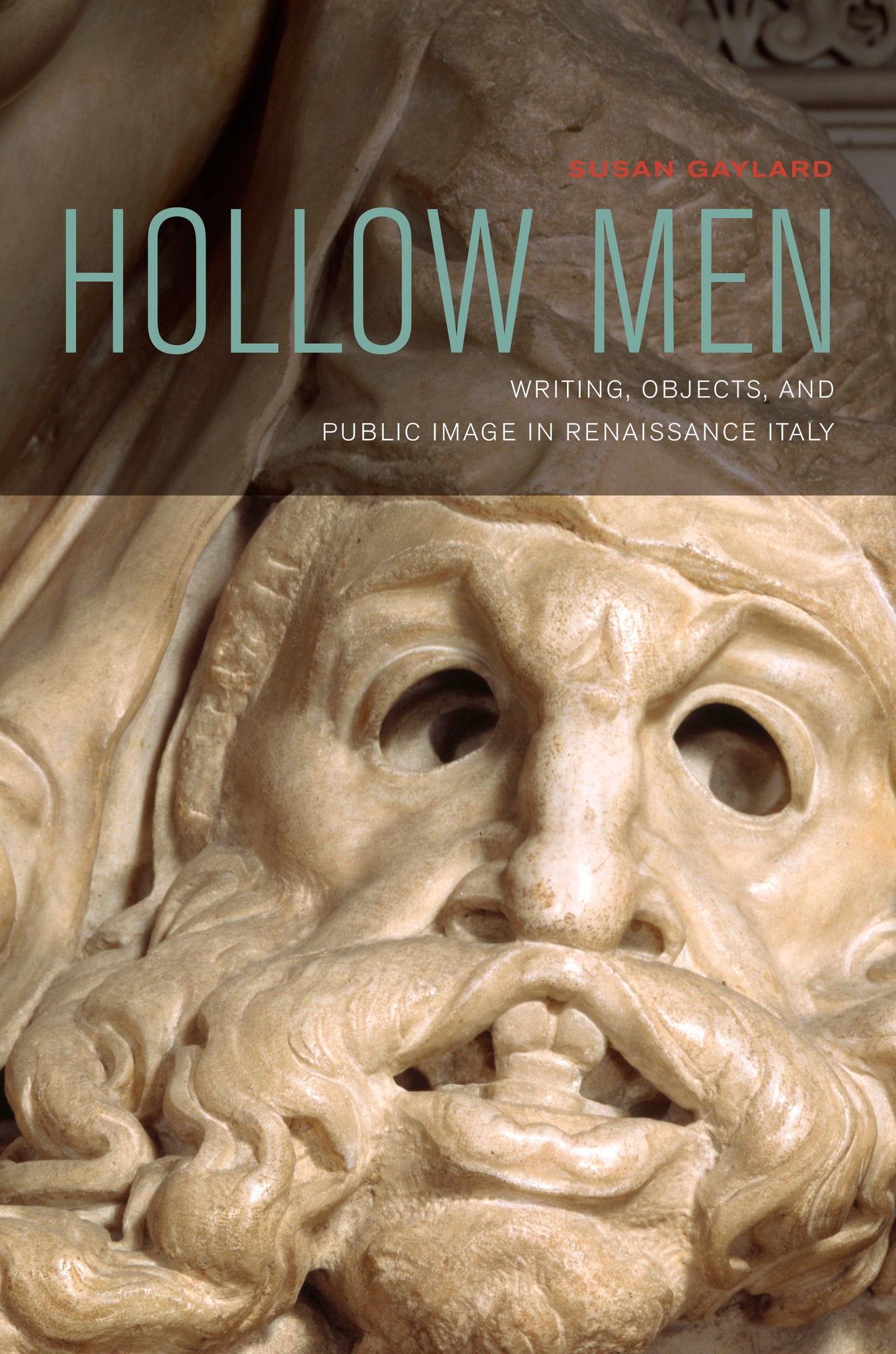
This book relates developments in the visual arts and printing to humanist theories of literary and bodily imitation, bringing together fifteenth- and sixteenth-century frescoes, statues, coins, letters, dialogues, epic poems, personal emblems, and printed collections of portraits. Its interdisciplinary analyses show that Renaissance theories of emulating classical heroes generated a deep skepticism about self-presentation, ultimately contributing to a new awareness of representation as representation.
Hollow Men shows that the Renaissance questioning of “interiority” derived from a visual ideal, the monument that was the basis of teachings about imitation. In fact, the decline of exemplary pedagogy and the emergence of modern masculine subjectivity were well underway in the mid–fifteenth century, and these changes were hastened by the rapid development of the printed image.


In Gaylard's persuasive reading, the faltering transmission of ancient virtues find increasing compensation in the pre formative posture, that monumental pose in which timeless values and pellucid examples rematerialize as self-conscious representation.---Eileen Reeves, —Modern Language Quarterly
"Susan Gaylard has produced a powerfully suggestive study of the relation between writing and the desire for a kind of secular personal permanence that was the closest thing to immortality in the estimation of Italians during the century and a half before 1600.”---—Walter Stephens, The John Hopkins University
Gaylard undertakes a richly detailed, fascinating inquiry into the ways in which early modern theories of imitation (rhetorical and corporeal) intersect with practices of representation used by contemporaries to convey verbal and visual images of exemplary individuals, especially notable figures from the classical past, to quattrocento and cinquecento audiences.