


Some error occured while loading the Quick View. Please close the Quick View and try reloading the page.
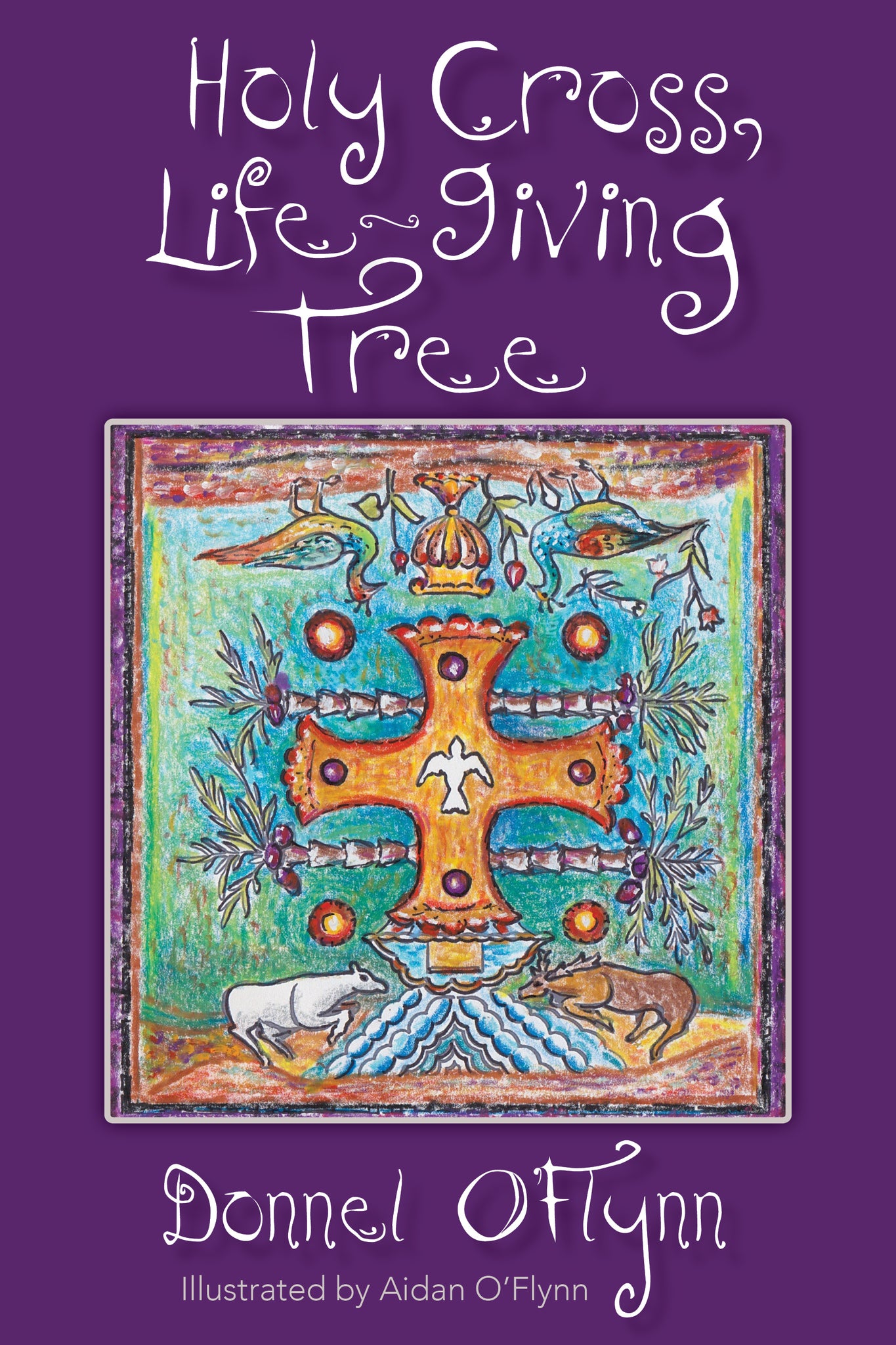
A historical perspective of the image of the cross as one of life instead of death
What would Christianity be like if the principle of a new creation were its guiding idea, and the Cross as Life-Giving Tree its central image? After exploring this principle’s deep roots in tradition, worship, and art, this book proposes Hildegard of Bingen’s concept of virditas—“green-ness”—as a way to know it in daily life. It claims the Cross as healer of division, both among followers of Jesus and among the nations. Holy Cross, Life-Giving Tree is illustrated with Cross images from throughout the Christian world and compares eastern Christian liturgies of the Cross with those of the west. It recounts the origins of the early Jerusalem cult of the Cross, and invites readers to meditate on Scripture passages used by ancient artists. Each of its six chapters ends with reflection questions for going deeper. Holy Cross, Life-Giving Tree is designed for use by study groups or by individuals.


“Through a clever weaving of art, history, and theology, we are given a presentation of the cross of Jesus as a way into life. It can jump-start intriguing conversations on what we believe the cross event means for the people of God, and it can serve as part of an answer to our prayer, ‘that we, walking in the way of the cross, may we find it none other than the way of life and peace. . . .’”
—The Rt. Rev. Gladstone B. Adams III, Bishop Provisional, The Episcopal Church in South Carolina
“This book is well suited for personal and group study and reflection, and can only expand and deepen our understanding and reverence for this central symbol of our faith.”
—Phoebe Griswold, Society of the Companions of the Holy Cross
“O’Flynn’s discoveries reveal the unexpected vista of an evangelism that is joyful and inclusive, and open an unforeseen path to social justice work rooted in reconciliation. This winsome book gives unexpected waybread for parish life, worship, and social action.”
—Ariel Miller, social justice worker and reporter in the Diocese of Southern Ohio