


Some error occured while loading the Quick View. Please close the Quick View and try reloading the page.
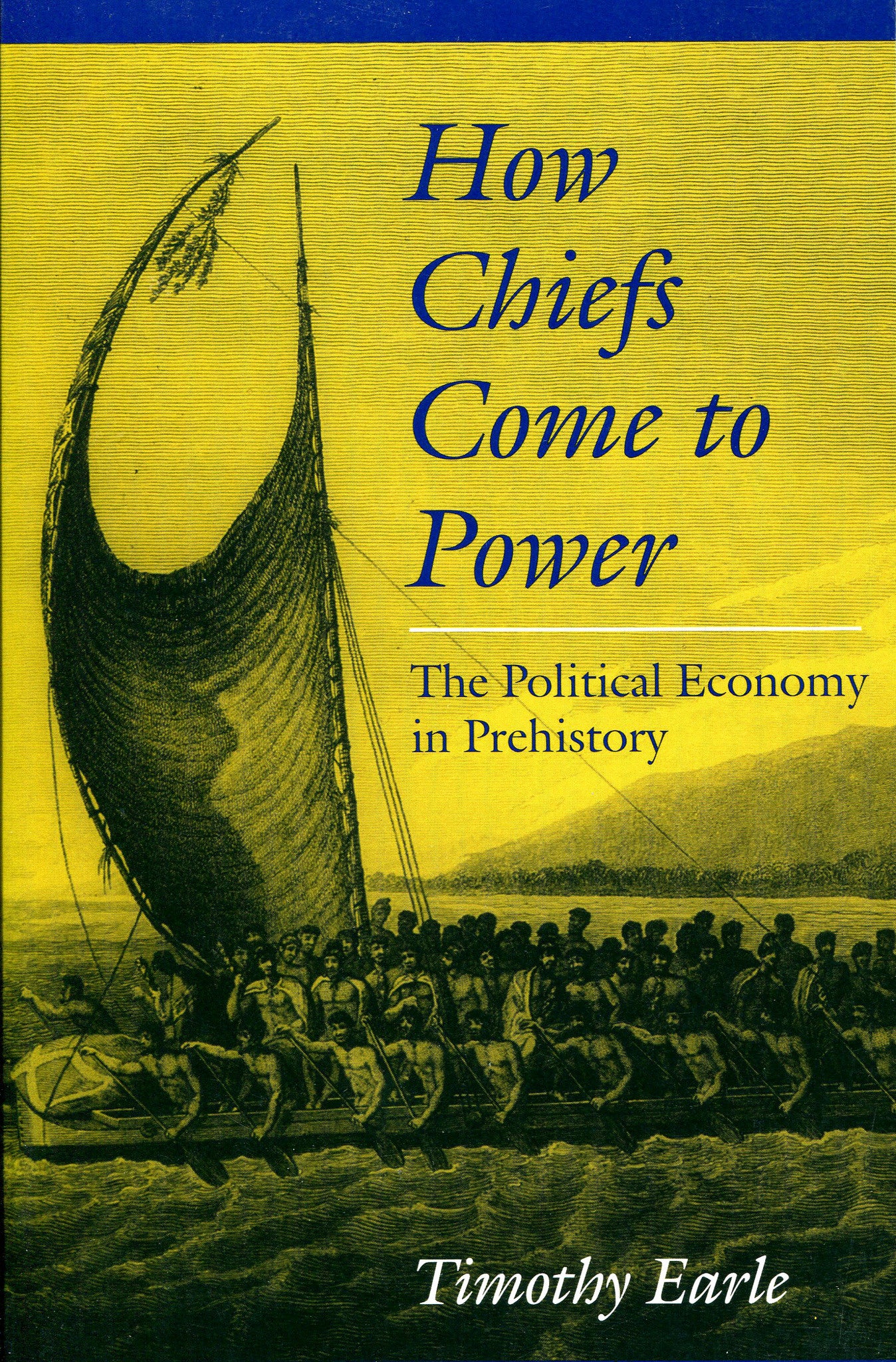
By studying chiefdoms—kin-based societies in which a person’s place in a kinship system determines his or her social status and political position—this book addresses several fundamental questions concerning the nature of political power and the evolution of sociopolitical complexity. In a chiefdom, the highest-status male (first son by the first wife) holds both authority and special access to economic, military, and ideological power, and others derive privilege from their positions in the chiefly hierarchy.
A chiefdom is also a regional polity with institutional governance and some social stratification organizing a population of a few thousand to tens of thousands of people. The author argues that the fundamental dynamics of chiefdoms are essentially the same as those of states, and that the origin of states is to be understood in the emergence and development of chiefdoms. The history of chiefdoms documents the evolutionary trajectories that resulted, in some situations, in the institutionalization of broad-scale, politically centralized societies and, in others, in highly fragmented and unstable regions of competitive polities. Understanding the dynamics of chiefly society, the author asserts, offers an essential view into the historical background of the modern world.
Three cases on which the author has conducted extensive field research are used to develop the book’s arguments—Denmark during the Neolithic and Early Bronze Ages (2300-1300


"In the present volume, Earle weaves together variation and pattern to bring us the very best of anthropology. . . . [Earle's] latest work is a powerful synthesis of theory and data that leaves us with both a better understanding of the political economy of chiefdoms and a solid foundation for future research into critical questions about the origins and maintenance of centralized polities and systems of social control."—American Anthropologist