


Some error occured while loading the Quick View. Please close the Quick View and try reloading the page.
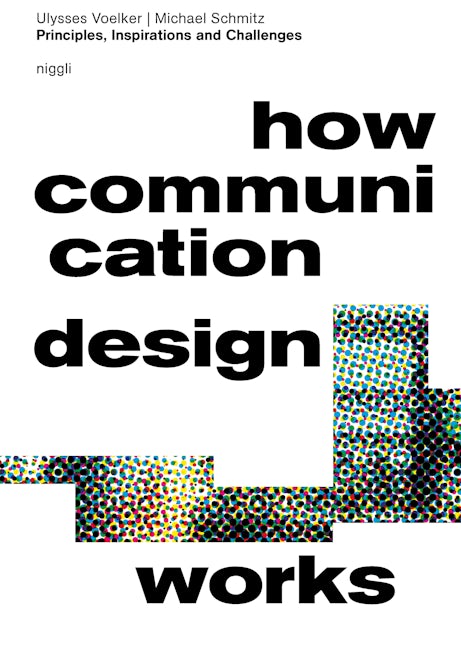
Reflections and practical action for the rapidly evolving discipline of visual communication.
Communication design is undergoing radical changes: an overabundant flood of information, fake news, bots, AI, social media, crude graphic tools on the Internet as well as the speed of processes and increasing pressure to be efficient, coupled with increased competition in the design sector and sometimes precarious working conditions. All of these factors put creatives in the field under pressure, leaving them little time to reflect on their own work. This handbook responds to the current situation by shedding new light on the societal relevance of the discipline in the context of professional practice.
The authors use their extensive expertise, practical work examples, and actionable suggestions to identify what really matters in visual communication. They describe the far-reaching interconnectedness of design with a wide range of issues and deal intensively with the current challenges. The overarching leitmotif is that communication design is always the result of the attitude of its protagonists – this compendium makes clear how their actions influence communication, what values are conveyed, and what our visual world looks like as a result.


Introduction
A: Structure and Principle
The recipients of visual communication
The senders of visual communicationB: Differentiations
Drawing theory and visual communication Constant componentsModifying components
Time-related factors - technology
Time-related factors - society
Subjectivity and speculation
Good design - shaping the aesthetic perception
Good design - brief history of the criteria Good design - cliche and differentiation
D: Challenges
The tried and tested and the newUniformity versus diversity
The repoliticization of design
Sources, specialist texts, books
Supplements
Appendix
Index of names, key terms
Bibliography