


Some error occured while loading the Quick View. Please close the Quick View and try reloading the page.
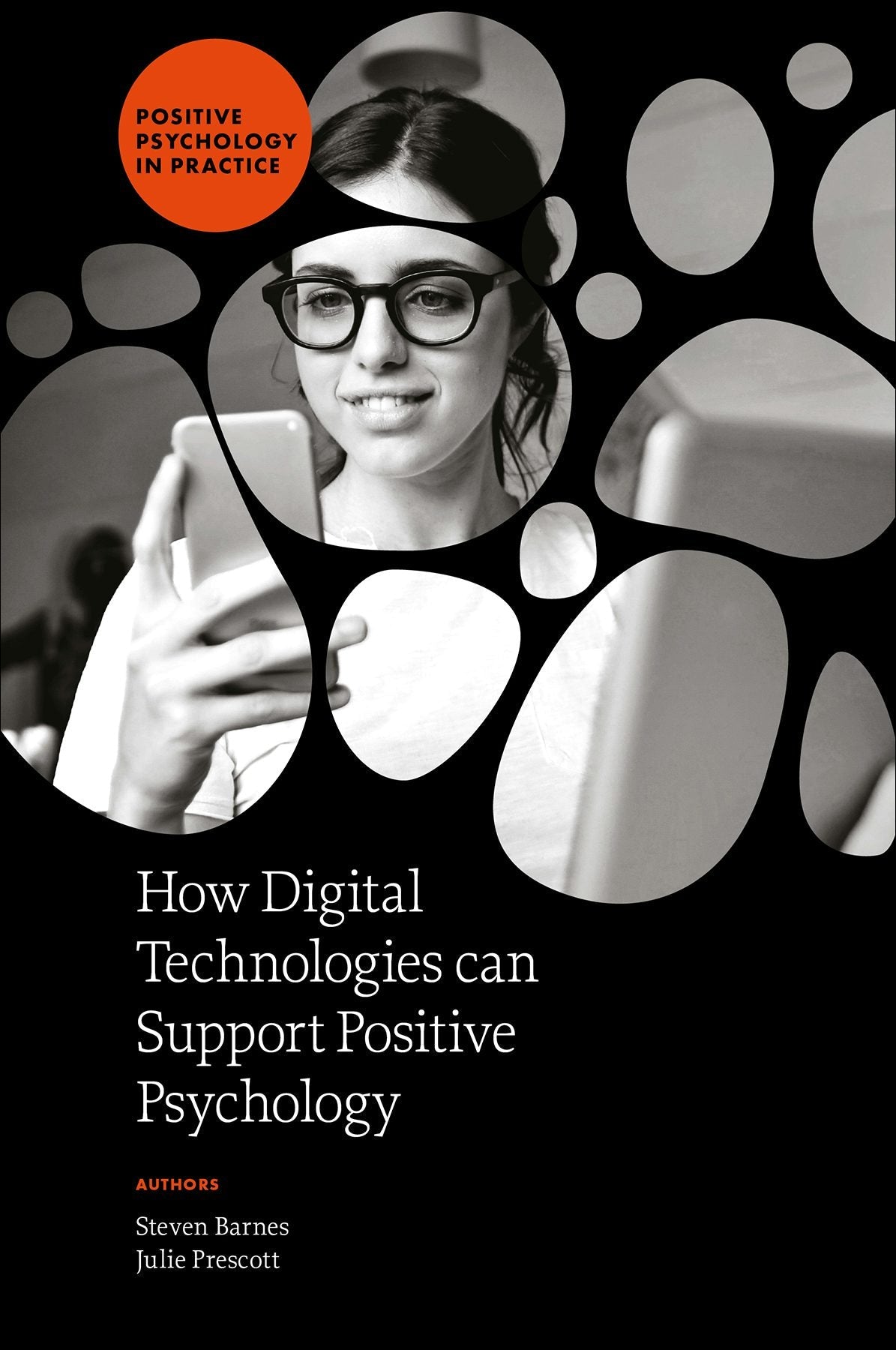
There is an increasing prevalence and use of technology that extends into the support of mental health and wellbeing. How Digital Technologies can Support Positive Psychology focuses on how digital technologies can support mental health and wellbeing in the field of positive psychology.
Introducing a number of digital innovations – such as artificial intelligence (AI), gamified solutions, wearable technologies, social media, and the use of remote data collection and analysis – Barnes and Prescott explore how these can support areas of positive psychology such as wellbeing, flow, resilience, relationships and improving quality of life.
An instrumental volume linking the two areas of digital technologies and positive psychology, How Digital Technologies can Support Positive Psychology examines how specific applications of digital technologies may be effective in supporting specific aspects of positive psychology to boost mood and attain and maintain positive outcomes.


Steven Barnes is a Psychologist at SWPS University, Poland. Steven’s work focuses on the applications of digital technologies in the context of mental health delivery and training.
Julie Prescott is Head of Psychology at the University of Law, UK. Julie’s research looks at how digital innovations can support mental health.
Both authors also co-edit the Emerald journal ‘Mental Health & Digital Technologies’.
Chapter 1. Introduction and Overview
Chapter 2. Artificial intelligence (AI) and Positive Psychology: Mental health and Well-being support
Chapter 3. Positive Psychology and Digital Games
Chapter 4. Ecological Momentary Assessment: Mobile applications, Social media and Wearable technology
Chapter 5. Barriers to Entry: Navigating Issues by Employing Users in the Design and Development of Digital Innovations
Chapter 6. Discussion and Conclusions