


Some error occured while loading the Quick View. Please close the Quick View and try reloading the page.
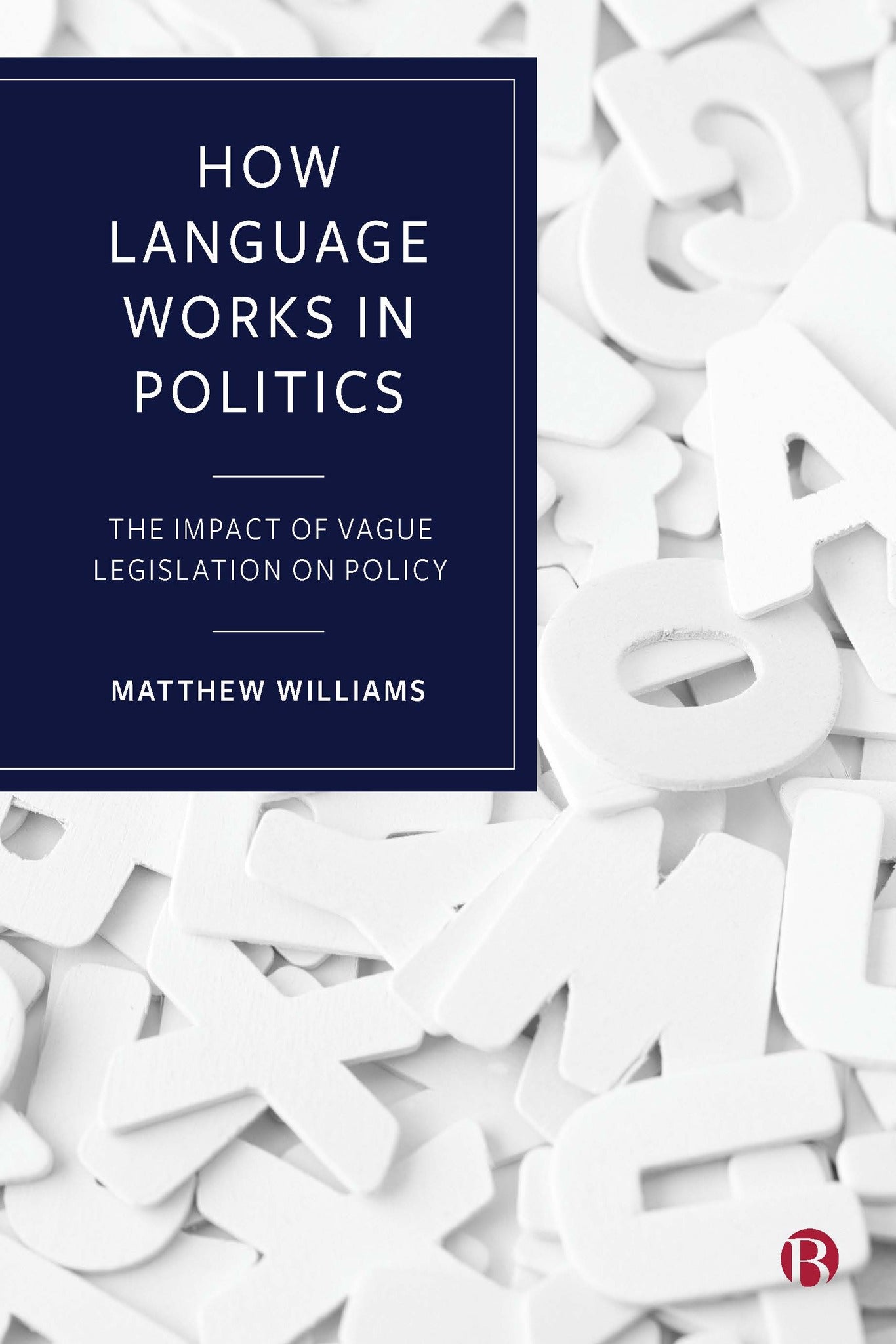
There were more colons used in legislation in 2015 than there were words enacted in 1900. Using analysis from machine readings of all legislation enacted between 1900 and 2015, this book discusses the social impact of increasingly elastic legislative language on the contemporary workings of the British constitution.
The hot-button debates of our time — from immigration to European integration, to the creeping power of judges — have, at their core, battles over what policy instructions are authoritative.
The book encourages readers to connect the dots of British statecraft, and to understand how, exactly, public demands are transferred into laws that are then implemented with greater and lesser degrees of success. Crucially, it shows that vague legislation has a tremendous impact on policy delivery, disproportionately affecting the weakest, in areas including immigration, homelessness and anti-discrimination.


Part One — Language and Politics in the UK;
1 Introduction — How Language Works in Politics;
2 Past — How Has Parliament's Use of Language Changed?
3 Present — Why Has Parliament's Use of Language Changed?
Part Two — The Social Impact of Parliament’s Use of Language;
4 Immigration — How Parliament’s Language Affects Central Government Powers;
5 Homelessness — How Parliament’s Language Affects Local Government Duties;
6 Anti-discrimination and Equality — How Parliament’s Language Affects Individual Rights;
Part Three — Fixing the Code;
7 Constitutional Language — Lessons from Beyond Westminster
8 Filling Gaps — The Human Rights Act 1998
Conclusions.