


Some error occured while loading the Quick View. Please close the Quick View and try reloading the page.
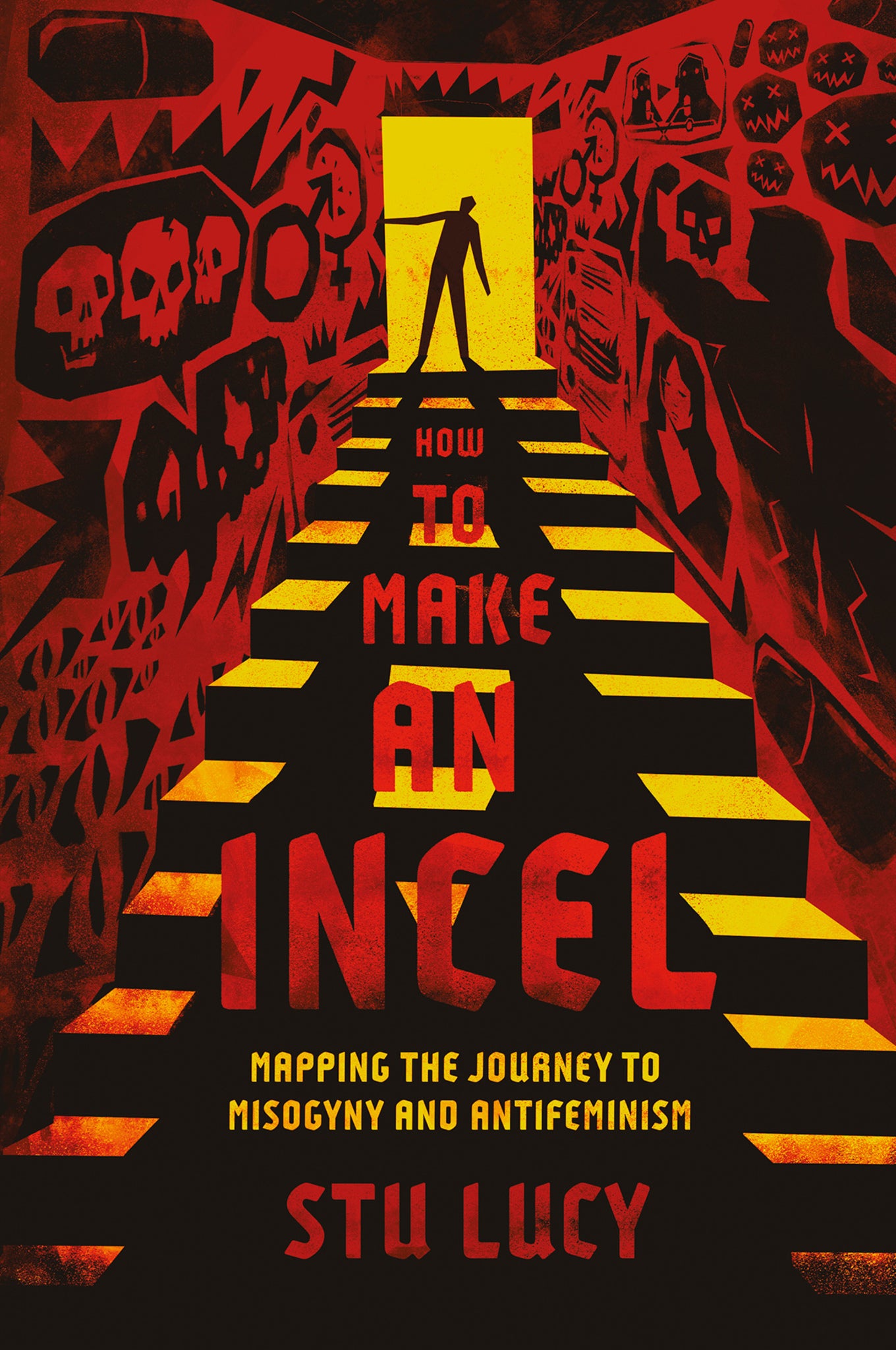
Governments worldwide are contending with how to define and address incel ideology, particularly as it relates to gender-based violence. How to Make an Incel provides a much-needed, triangulated analysis of the journey into inceldom, bridging the growing discussion between structural and experiential approaches in incel research.
By examining the network of social media platforms, websites, and niche forums where incel identity is cultivated, the book offers a nuanced understanding of how young and adolescent men process gendered perceptions and masculine failures in mainstream and isolated digital spaces. As one of the few academic works based on direct engagement with incels, this study offers a critical empathetic feminist lens to map the journey to inceldom. Rather than reinforcing incel grievances, it broadens the discourse on poor mental health and incel identity, while shedding light on the misogynistic and self-denigrating tendencies underpinning this ideology. By tracking the incel digital ecosystem from everyday social media to extremist forums, this book crucially illustrates how seemingly innocuous discussions feed into more harmful ideologies that legitimise gendered violence and a self-deprecating identity.
For academics, practitioners, and policymakers alike, How to Make an Incel offers an overdue explanation of how men become incels. As governments seek solutions to combat incel culture, this book provides an alternative to securitised and pathologised perspectives. Imminently timely, it lays the groundwork for interwoven digital, educational, and feminist therapeutic strategies that can effectively address the rise of antifeminist and antiwomen rhetoric—offering a blueprint to understand and counter the rise of young and adolescent men adopting an incel identity.


Through the application of structured action theory, Lucy incisively documents the absorbing, relentless, and troubling trajectory through which some men ultimately come to ingest the blackpill and identify as incels. How to Make an Incel is an important and insightful work that makes a cutting-edge contribution to contemporary understandings of incel misogyny, antifeminism, and dominating masculinities. I highly recommend it!
— James W. Messerschmidt, Distinguished University Professor Emeritus of Sociology, University of Southern Maine, USA
In How to Make an Incel, Stu Lucy offers a rigorous and unflinching account of the gendered pathways that lead young men into misogynistic radicalization. Drawing on longitudinal ethnographic immersion in incel digital spaces and interviews with current and former incels, Lucy maps the structural conditions, lived experiences, and technosocial environments that collectively foster incel identities. With both empirical precision and critical empathy, Lucy argues that we cannot understand incel misogyny without grappling with the patriarchal social structures and digital architectures that make it possible and socially seductive.
— Tristan Bridges, Professor of Sociology at the University of California, Santa Barbara, USA
This is an exceptionally important and timely book, one of the very few existing triangulated studies of incels, and undoubtedly among the most rigorous, humane, and analytically sophisticated contributions to the field to date. Through rich empirical data and an ambitious interdisciplinary approach, Lucy overcomes the often-limiting structure/individual divide that characterises much existing research. By triangulating interviews with current and former incels alongside longitudinal ethnographic immersion across incel digital spaces, the book produces an original and compelling map of the journey young men undergo in adopting an incel identity.
What makes this work so powerful is its refusal to settle for simplistic explanations. Instead, it carefully traces how lived experiences, poor mental health, social isolation, and broader gendered structures intersect to shape both the vulnerabilities that draw some men toward incel communities, and the harms associated with them. The analysis adopts a position of feminist critical empathy, insisting that if we are to address gender-based harms seriously, we must understand the challenges, pressures, and social conditions men face within gendered social structures.
The result is an engaging and often harrowing account that never loses sight of the violence and misogyny associated with incel spaces, while simultaneously recognising the vulnerabilities, loneliness, and despair that can precede participation in them. This is a difficult path to navigate, but it is handled here with remarkable nuance, care, and intellectual honesty.
By combining the accounts of men acquired through direct contact with extensive observations of a broad array of community discussions and platforms, the book brings together differing but interlocking forms of evidence. The long-form, triangulated, and interdisciplinary analysis offers an original, significant, and methodologically robust contribution to the field.
This is the book to read if we want to understand how young men are made into incels—and, crucially, how we might begin to unmake those pathways. It deserves to become a landmark study in the sociology of gender, digital cultures, masculinities, and extremism.
— Lisa Sugiura. Professor of Cybercrime and Gender, University of Portsmouth, UK
Stu Lucy is an early career researcher in the School of Criminology and Criminal Justice at the University of Portsmouth, UK.
Chapter 1. Introduction
Chapter 2. A Brief History of Men
Chapter 3. The Incel Network
Chapter 4. Cumulative Vulnerability
Chapter 5. Making an Incel
Chapter 6. Unmaking an Incel