


Some error occured while loading the Quick View. Please close the Quick View and try reloading the page.
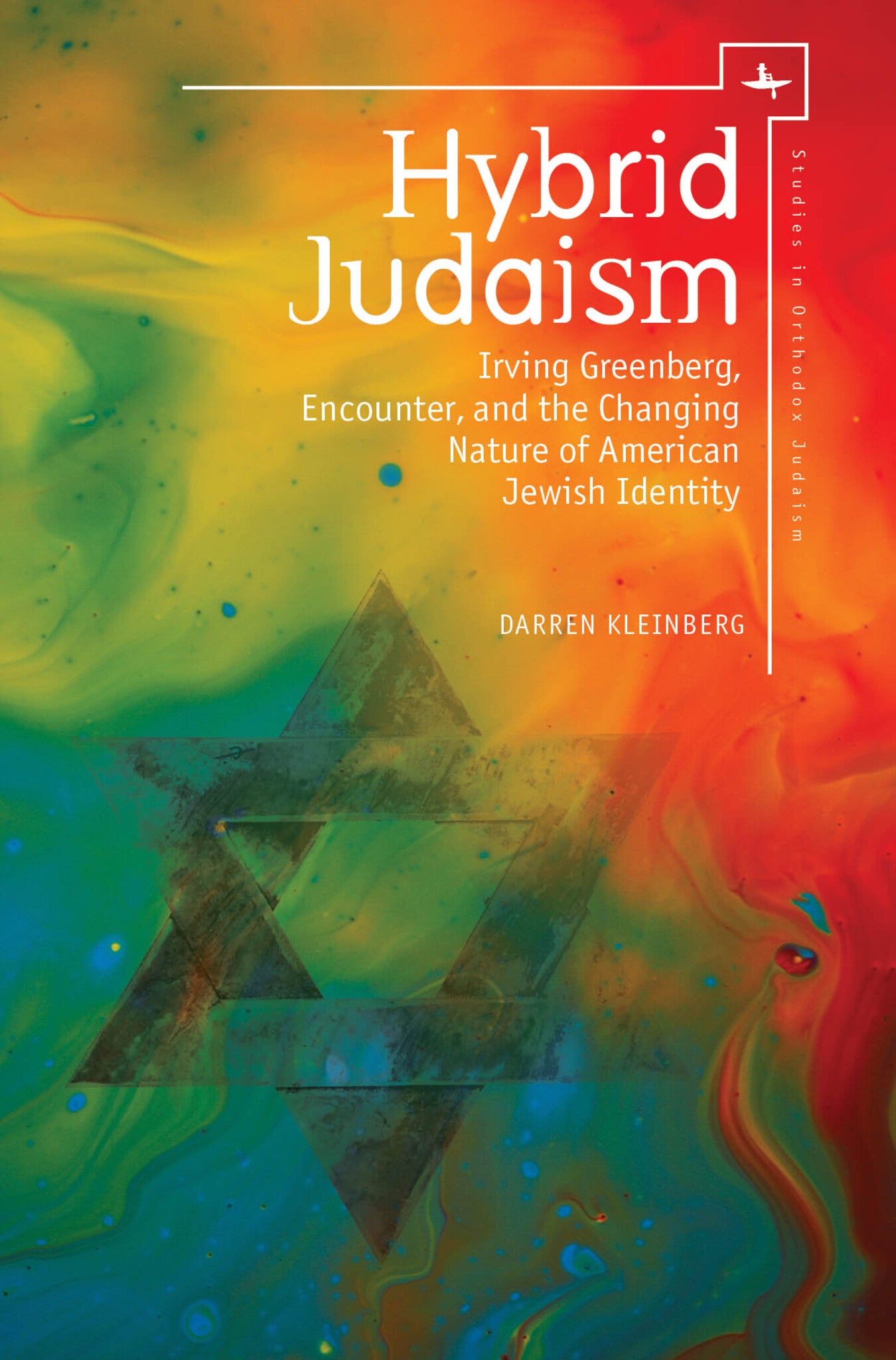
American Jewish identity has changed significantly over the course of the past half century.
During this time, Irving Greenberg developed a unique theology that anticipated David Hollinger's notion of postethnicity and represents a compelling understanding of contemporary American Jewish identity. Greenberg's covenantal theology and image of God idea combine into what Kleinberg refers to as Hybrid Judaism. Central to Greenberg's theology is recognition of the transformative power of encounter in an open society, heavily influenced by his own encounters across Jewish denominational boundaries and through his participation in the Christian-Jewish dialogue movement. Presented here for the first time, Greenberg’s theology of Hybrid Judaism has great relevance for our understanding of American Jewish identity in the twenty-first century.


Preface
Introduction
Part I
Chapter 1 Irving Greenberg and the Changing American Jewish Landscape
Chapter 2 The Study and Reality of Religion in America
Chapter 3 The Arc, Part 1: From Melting Pot to Triple Melting Pot
Chapter 4 The Arc, Part 2: From Multiculturalism to Postethnicity
Part II
Chapter 5 Greenberg Encounters the Holocaust
Chapter 6 Dialogue: Greenberg’s Christian Influences
Chapter 7 Klal Yisrael
Chapter 8 The Open Society
Chapter 9 The Image of God and Hybrid Judaism
Conclusion
Bibliography
Index