


Some error occured while loading the Quick View. Please close the Quick View and try reloading the page.
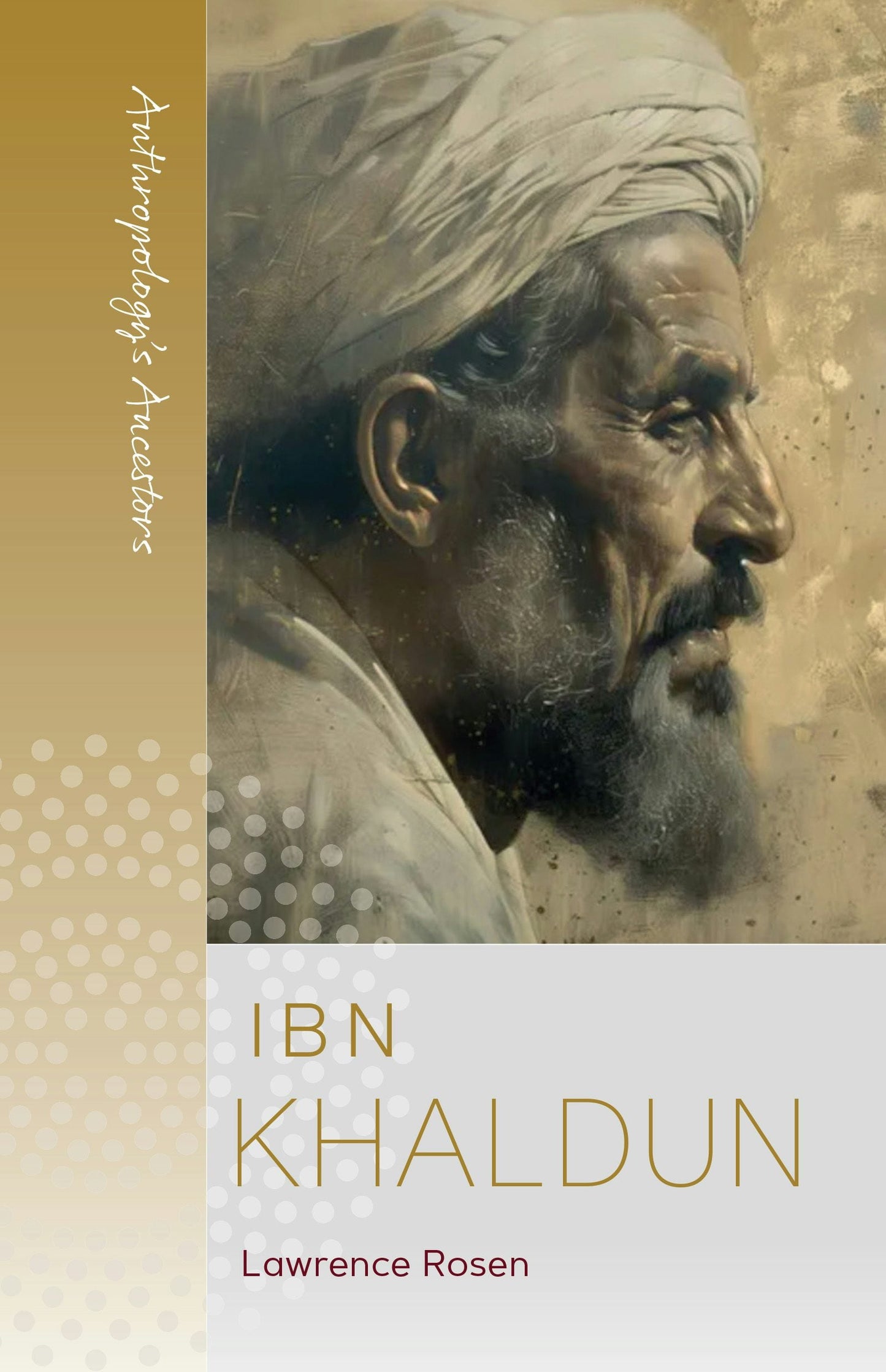
Ibn Khaldun’s theory of dynastic history, economics, and group cohesion has drawn attention far beyond his North African home. He holds a unique place in the Western imagination, cited by figures as diverse as Mark Zuckerberg and President Ronald Reagan. His holistic, functionalist approach foreshadowed the development of modern social science. Whether analyzing kin-based solidarity, the role of religion in communal life, or the interplay between the universal and the particular, his emphasis on direct observation and cultural interpretation makes him a vital progenitor to contemporary anthropology.


Lawrence Rosen is the Cromwell Professor of Anthropology Emeritus at Princeton University and Adjunct Professor Emeritus of Law at Columbia University. He is a member of the bar of the United States Supreme Courtand has received multiple teaching awards and the Royal Anthropological Institute’s Donne Award
List of Illustrations
Acknowledgments
Note on Transcription
Introduction: Ibn Khaldun and the Anthropological Enterprise
Chapter 1. Theory as Context: The Man and His Times
Chapter 2. Social Solidarity and the Theory of Cyclical History
Chapter 3. Free Will and the Individual
Chapter 4. The Anthropology of Religion: Inner States and Overt Acts
Chapter 5. Shari’a, Custom, and the Anthropology of Law
Chapter 6. Ibn Khaldun as an Arab Thinker
Conclusion: The Allure of the Universal, the Tug of the Particular
Appendix
References
Index