


Some error occured while loading the Quick View. Please close the Quick View and try reloading the page.
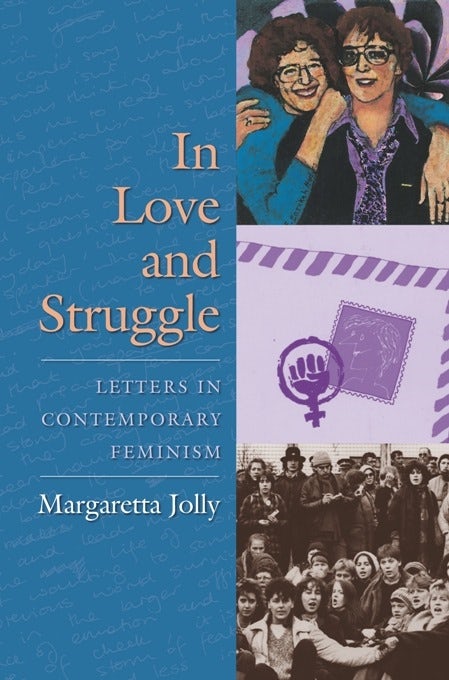
Winner of the 2009 Feminist and Women's Studies Association Book Prize
Do you think I can be a feminist mother? Did I make you and your kisses up in my mind? Will you join our military protest at the gate? Will you feed the kids when I'm in prison? Are you able to forgive me for breaking off this correspondence because you are a man?
During the women's movement of the 1970s and 1980s, feminists in the United States and Britain reinvented the image of the woman letter writer. Symbolically tearing up the love letter to an absent man, they wrote passionate letters to one another, exploring questions of sexuality, separatism, and strategy. These texts speak of the new interest women began to feel in one another and the new demandsand disappointmentsthese relationships would create.
Margaretta Jolly provides the first cultural study of these letters, charting the evolution of feminist political consciousness from the height of the women's movement to today's e-mail networks. Jolly uncovers the passionate, contradictory emotions of both politics and letter writing and sets out the theory behind them as a fragile yet persistent ideal of care ethics, women's love, and epistolary art. She follows several compelling feminist relationships sustained through writing and confronts the mixed messages of the "open letter," which complicated political relations between women (such as Audre Lorde's "Open Letter to Mary Daly," which called out white feminists for their implicit racism).
Jolly recovers the unsung literature of lesbianism and feminist romance, examines the ambivalent feelings within mother-daughter correspondences, and considers letter-writing campaigns during the peace movement. She concludes with a discussion of the ethical dilemma surrounding care versus autonomy and the meaning behind the burning or saving of letters. Letters that chart love stories, letters stowed away in attics, letters burnt at the end of romances, bittersweet letters written but never sent... this fascinating glimpse into women's intimate archives illuminates one of feminism's central concernsthat all relationships are politicaland uniquely recasts a social movement in very emotional terms.


Introduction. The Feminist World of Love and Ritual
Part I. Yours in Sisterhood. . .
1. Love Letters to a New Me
2. Feminist Epistolary Romance
3. Velvet Boxing Gloves
Part II: Letter Writing and the Ethics of Care
4. Theorizing Feminist Letters
5. Mothers and Daughters in Correspondence
6. Writing the Web: Letters from the Women's Peace Movement
7. Do Webs Work? Letters and the Clash of Communities
Part III: The Right to Be Cared For: Letters and the Life Cycle of a Social Movement
8. Care Versus Autonomy: The Problem of (Loving) Men
9. The Paradox of Care as a Right
10. How Different Is E-mail?
11. Care Ethics Online
Part IV: The Afterlife of Letters
12. On Burning and Saving Letters
13. Stealing Letters: The Ethics of Epistolary Research
Conclusion
Notes
Bibliography
Acknowledgments
Index