


Some error occured while loading the Quick View. Please close the Quick View and try reloading the page.
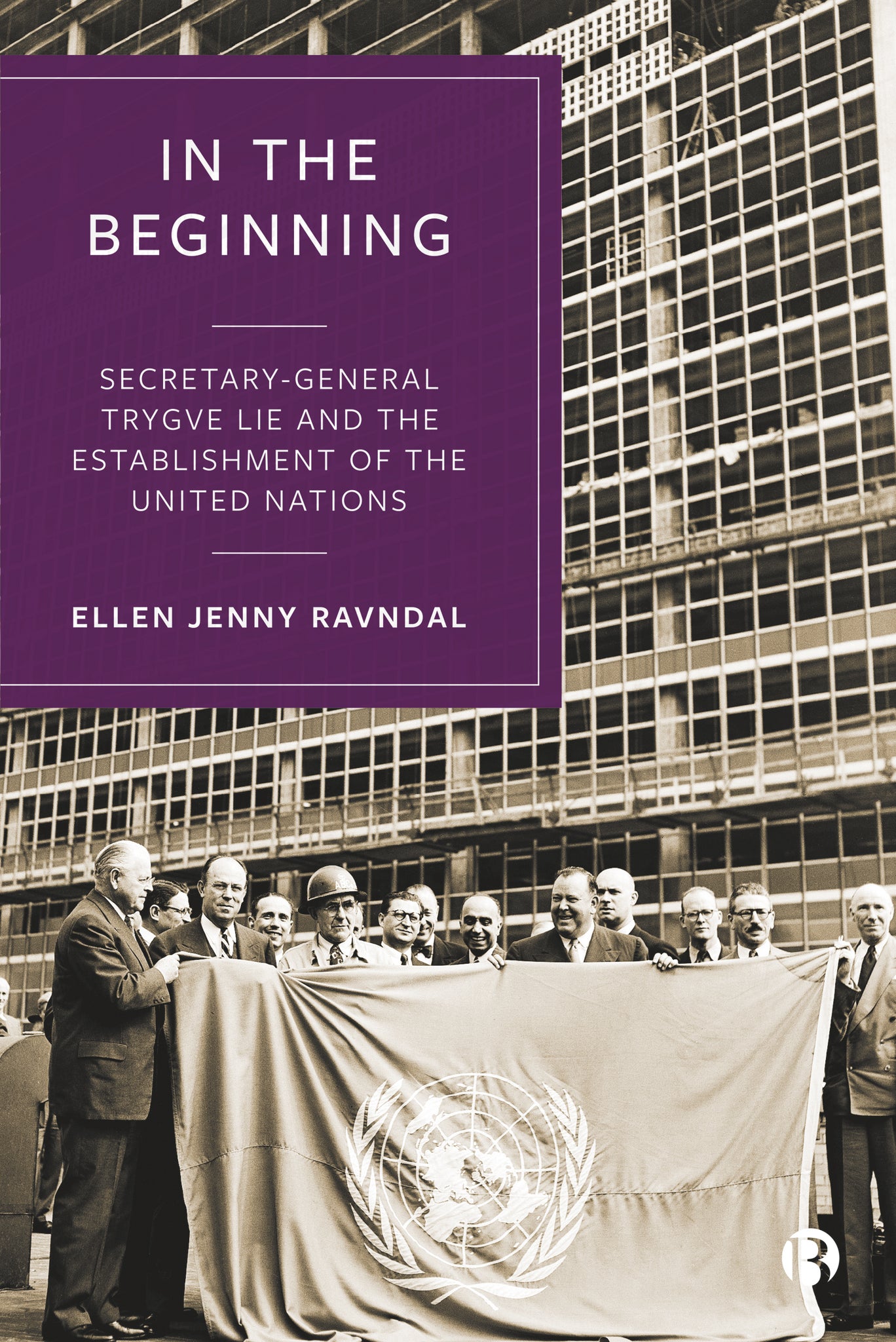
This book reviews the formative years of the United Nations (UN) under its first Secretary-General Trygve Lie.
This welcome appraisal shows how the foundations for an expanded secretary-general role were laid during this period, and that Lie’s contribution was greater than has later been acknowledged. The interplay of crisis decision-making, institutional constraints and the individuals involved thus built the foundations for the UN organization we know today.
Addressing important wider questions of IGO creation, governance and autonomy, this is an incisive account of how the UN moved from paper to practice under Lie.


Introduction
1 Setting the Stage: The Creation of the UN and Expectations for the Role of the UN Secretary-General
2 Establishing Precedents: The Iranian Crisis, UN membership, and the Greek Civil War, 1946
3 Urging Forceful Action: ‘The Palestine Problem’ and Management of Regional Conflicts, 1947–49
4 Building Bridges: The Cold War from Berlin to Korea, 1947–50
5 Advocating Global Interests: Trygve Lie’s Peace Plan, 1950
6 Administering the International: The International Civil Service and the UN Secretariat, 1946–53
Conclusion
Appendix: UN Charter, Chapter XV: The Secretariat