


Some error occured while loading the Quick View. Please close the Quick View and try reloading the page.
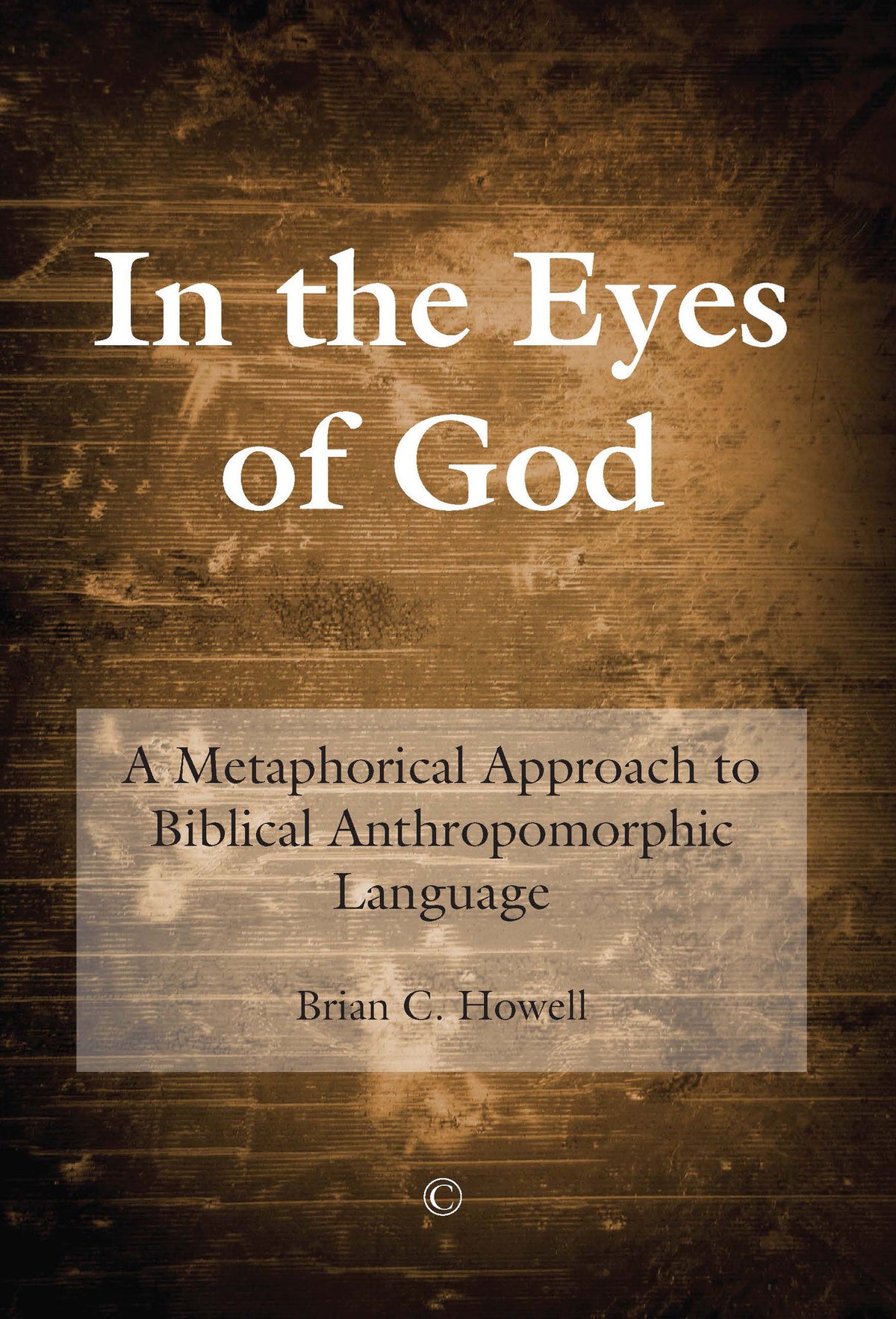
An enlightening exploration of anthropomorphic portrayals of divine action in Scripture, showing how they can be understood through the study of metaphors.
Throughout the Bible, divine interaction with humanity is portrayed in almost embarrassingly human terms. God sees, hears, thinks, feels, runs, rides chariots, laughs, wields weapons, gives birth, and even repents. Many of these descriptions, taken at face value, seem to run afoul of classical thought about God's qualities of divine simplicity, transcendence, omniscience, omnipotence, omnipresence, and, especially, immutability. Traditionally, such representations have been seen as "accommodations" to human intellectual and moral limitations. They allowed God to be more comprehensible but did not actually describe any "real" part of His character, being, or interaction with humanity. References to God seeing or hearing, for example, are not deemed to represent real acts, as God is all-knowing. This view is largely based on the Aristotelian conception of metaphors: they are rhetorical devices and should not be taken literally. Since the 1970s, our understanding of the ways in which metaphors convey meaning has become much more sophisticated. We are better able to unlock the function of "human" acts of God within the Bible. This book aims to explore the biblical metaphor of divine sight in Genesis and how current conceptions of metaphorical function can enrich our reading of the text and its theology.
Throughout the Bible, divine interaction with humanity is portrayed in almost embarrassingly human terms. God sees, hears, thinks, feels, runs, rides chariots, laughs, wields weapons, gives birth, and even repents. Many of these descriptions, taken at face value, seem to run afoul of classical thought about God's qualities of divine simplicity, transcendence, omniscience, omnipotence, omnipresence, and, especially, immutability. Traditionally, such representations have been seen as "accommodations" to human intellectual and moral limitations. They allowed God to be more comprehensible but did not actually describe any "real" part of His character, being, or interaction with humanity. References to God seeing or hearing, for example, are not deemed to represent real acts, as God is all-knowing. This view is largely based on the Aristotelian conception of metaphors: they are rhetorical devices and should not be taken literally. Since the 1970s, our understanding of the ways in which metaphors convey meaning has become much more sophisticated. We are better able to unlock the function of "human" acts of God within the Bible. This book aims to explore the biblical metaphor of divine sight in Genesis and how current conceptions of metaphorical function can enrich our reading of the text and its theology.

Price: $36.95
Pages: 308
Publisher: Boydell & Brewer Inc.
Imprint: James Clarke
Publication Date:
31 July 2014
Trim Size: 9.02 X 6.02 in
ISBN: 9780227174333
Format: Paperback
BISACs:
RELIGION / Biblical Studies / General, HISTORY / Wars & Conflicts / World War II / General

Howell's case is persuasive, and In the Eyes of God should prove valuable to undergraduates and postgraduates alike, as well as to the more established scholar.
— Terry J. Wright
— Terry J. Wright
Acknowledgments
1 Approaching Biblical Anthropomorphic Language
2 Approaching Divine Metaphors
3 Theomorphism
4 Seeing Good and Evil -Genesis 1-3
5 God, the Sons of God, and the Man of God
6 A View to Judgment -Genesis 11:5
7 Status and Blessing in the Sight of God -Genesis 16
8 A Second Look at Sodom -Genesis 18:1-19:29
9 The Mountain with a View -Genesis 22
10 Conclusion
Appendix A: Exegesis of Genesis 16:13-14
Appendix B: The Righteousness of Lot
Appendix C: Testing
Bibliography
1 Approaching Biblical Anthropomorphic Language
2 Approaching Divine Metaphors
3 Theomorphism
4 Seeing Good and Evil -Genesis 1-3
5 God, the Sons of God, and the Man of God
6 A View to Judgment -Genesis 11:5
7 Status and Blessing in the Sight of God -Genesis 16
8 A Second Look at Sodom -Genesis 18:1-19:29
9 The Mountain with a View -Genesis 22
10 Conclusion
Appendix A: Exegesis of Genesis 16:13-14
Appendix B: The Righteousness of Lot
Appendix C: Testing
Bibliography